
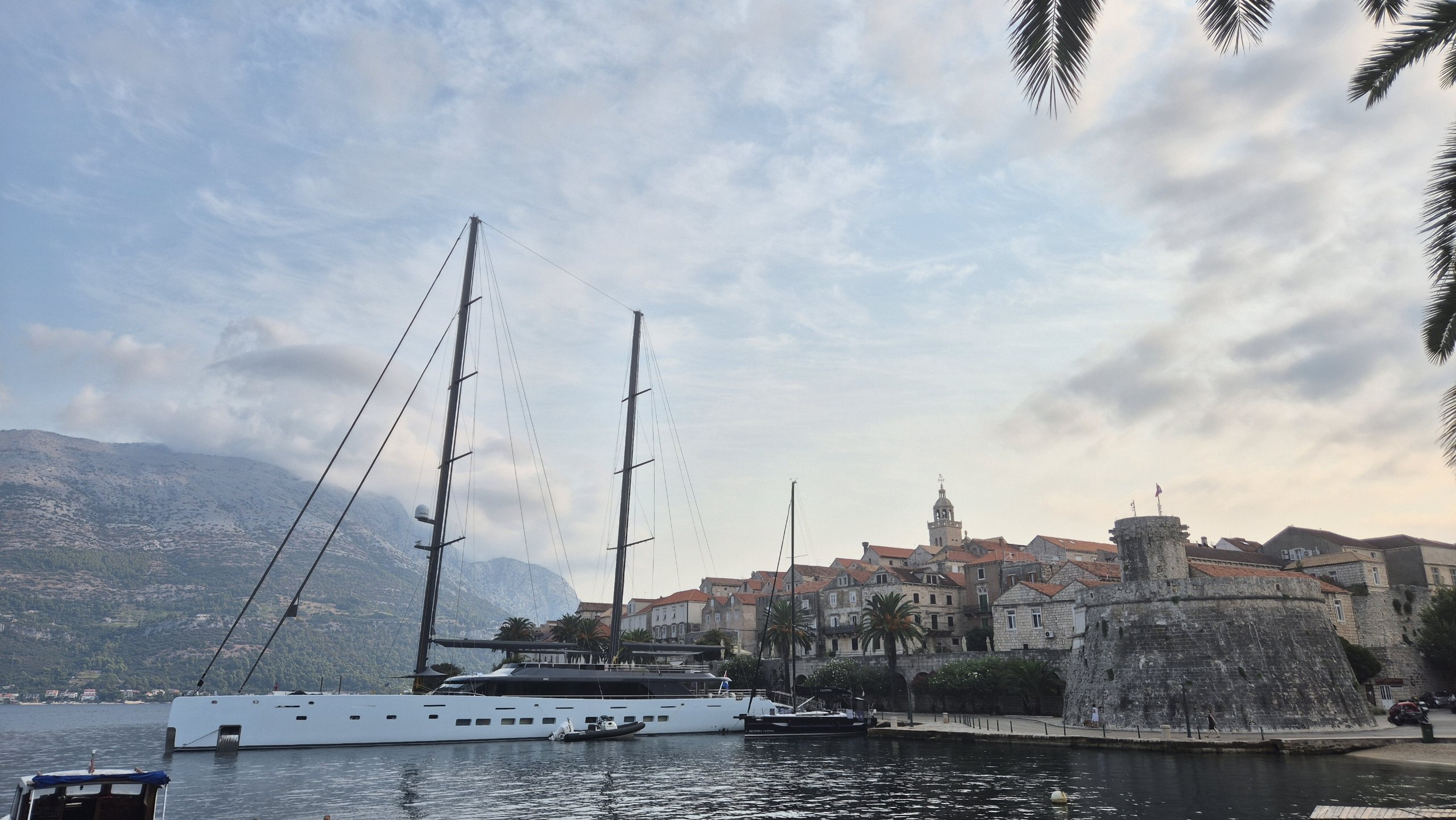
We checked out by 09:00 and walked the 1.7 kilometres back to Korčula harbour for the fourth time.
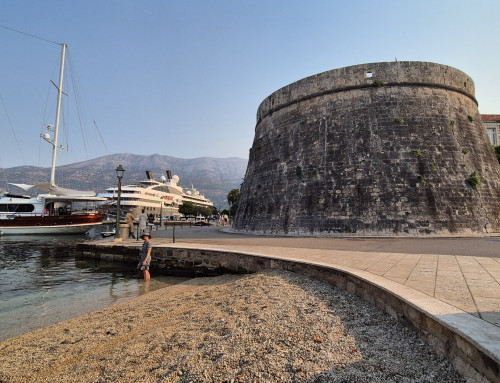
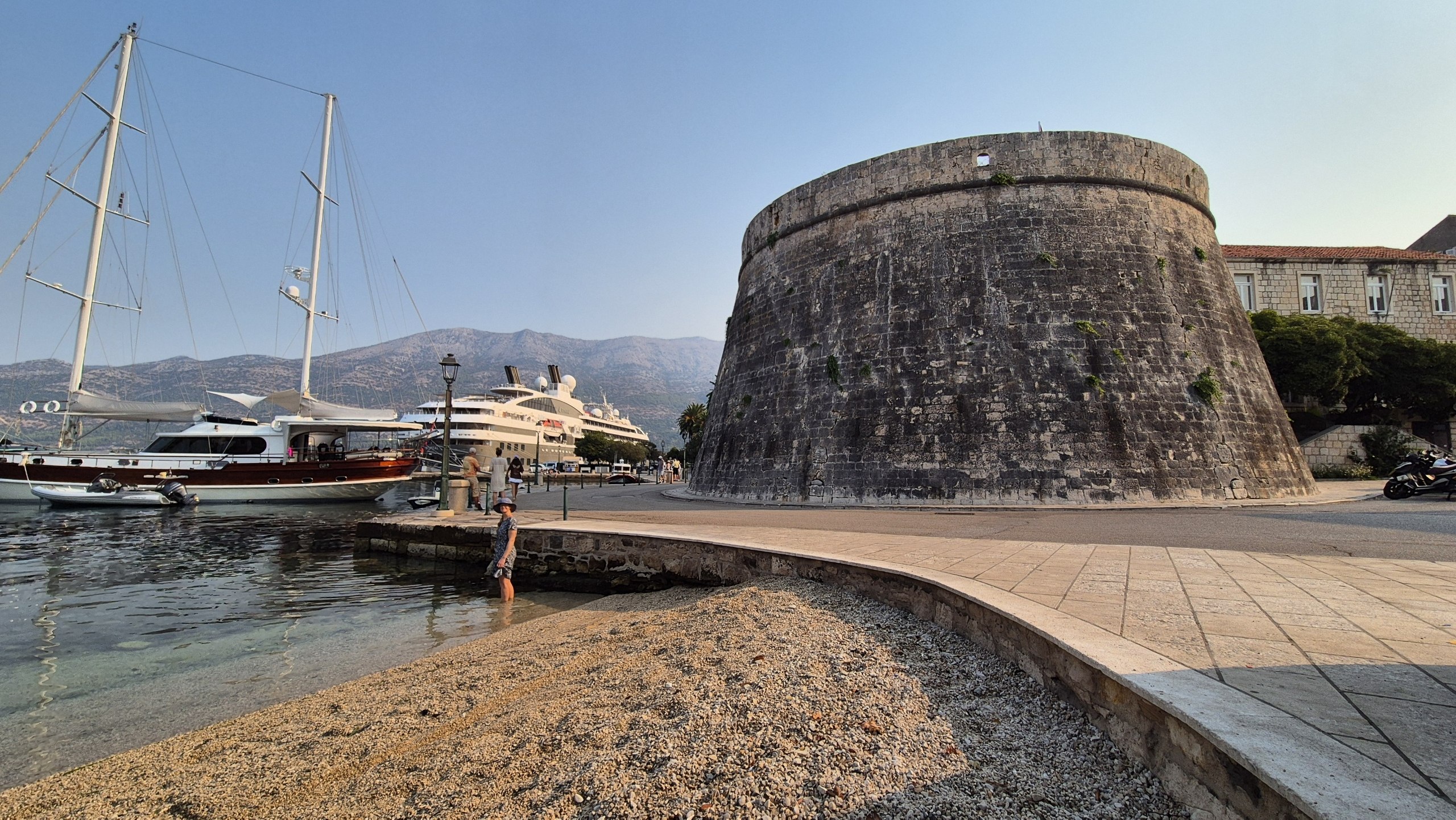
Waiting there was a familiar sight. Ad Astra, the enormous yacht that had caused such a spectacle when it arrived in Stari Grad, had caught up with us in Korčula.
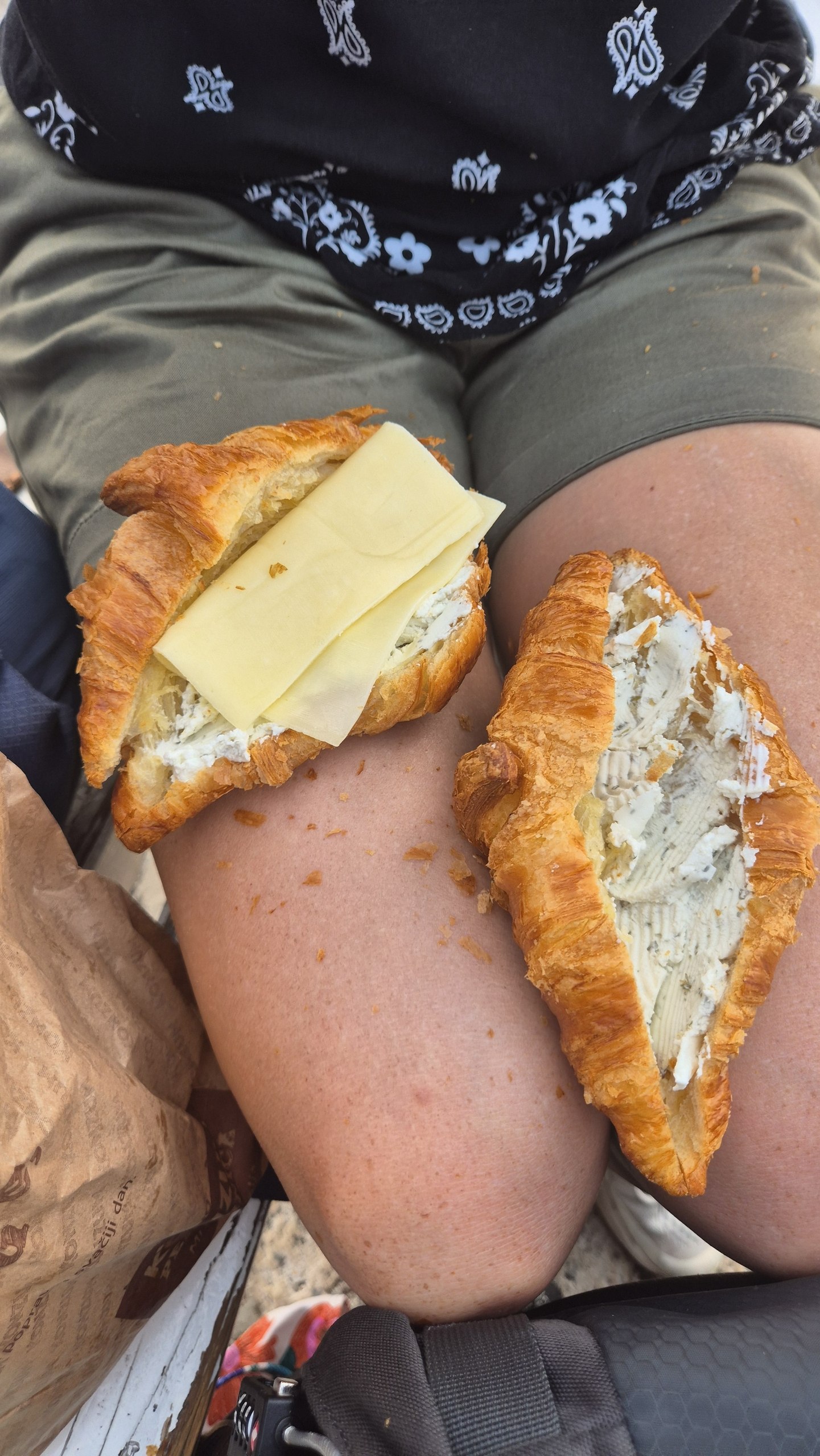
We found a bench near the ferry pickup point, and Hugo went in search of a pot of Nutella that Caro had been eyeing for weeks. The plan was to buy croissants for the Nutella and something savoury to eat with the cheese we still had left.
The bakery shelves were looking rather empty and sad. Just as Hugo was about to give up, a fresh batch of croissants came out of the oven. He bought four.
Fresh, warm croissants with Nutella turned out to be an excellent harbour breakfast. The croissants also solved the leftover-cheese problem.
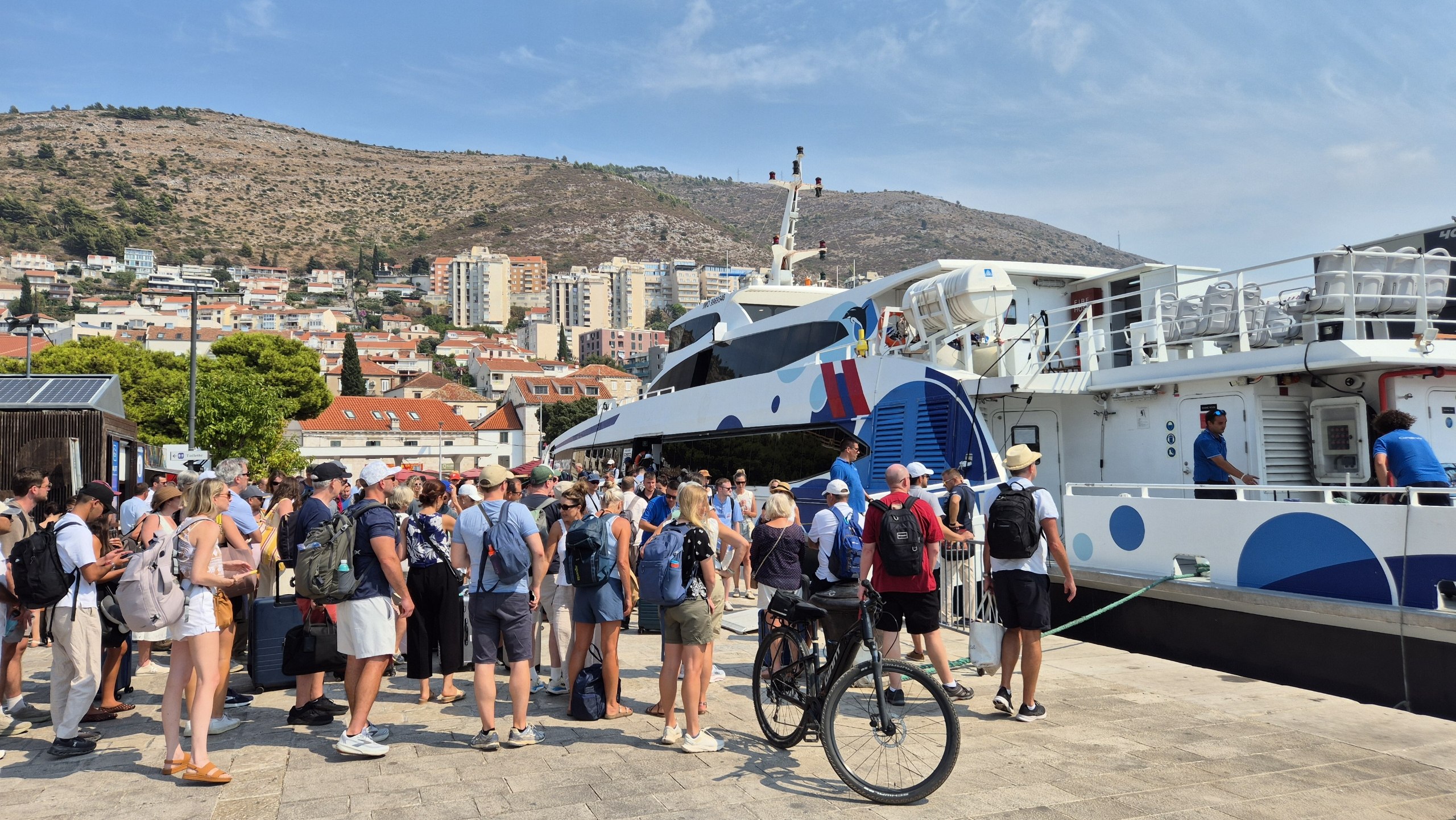
As the scheduled arrival time approached, a long queue formed at the pickup point. We walked over but stayed out of the line, standing in the shade instead. This turned out to be a stroke of genius: the ferry was 30 minutes late, which meant some people spent more than 45 minutes standing in the sun once the usual 15-minute boarding time was included.
We asked George—Hugo’s personal AI travel genie—to investigate. He found a live ferry tracker showing how far away the vessel was and how many knots it was travelling. From that, he predicted its arrival almost to the minute. We remained in the shade and joined the queue when there was finally something worth queuing for.
At roughly two hours, this was our longest ferry trip so far. It made one stop at Mljet, an island we immediately added to the growing list of places we would have to revisit. The western third of Mljet is a national park, best known for its two seawater lakes and the little island of St Mary with its Benedictine monastery.
We arrived at Gruž, Dubrovnik’s main harbour, at about 13:15 and joined the crowd disembarking from the ferry.
At almost exactly the same moment, Hugo’s mobile data ran out, leaving us unable to search for the correct bus.
We walked a few hundred metres to a very large Konzum. It had free Wi-Fi, which solved the immediate navigation problem, and we bought groceries for our final two days in Croatia while we were there.
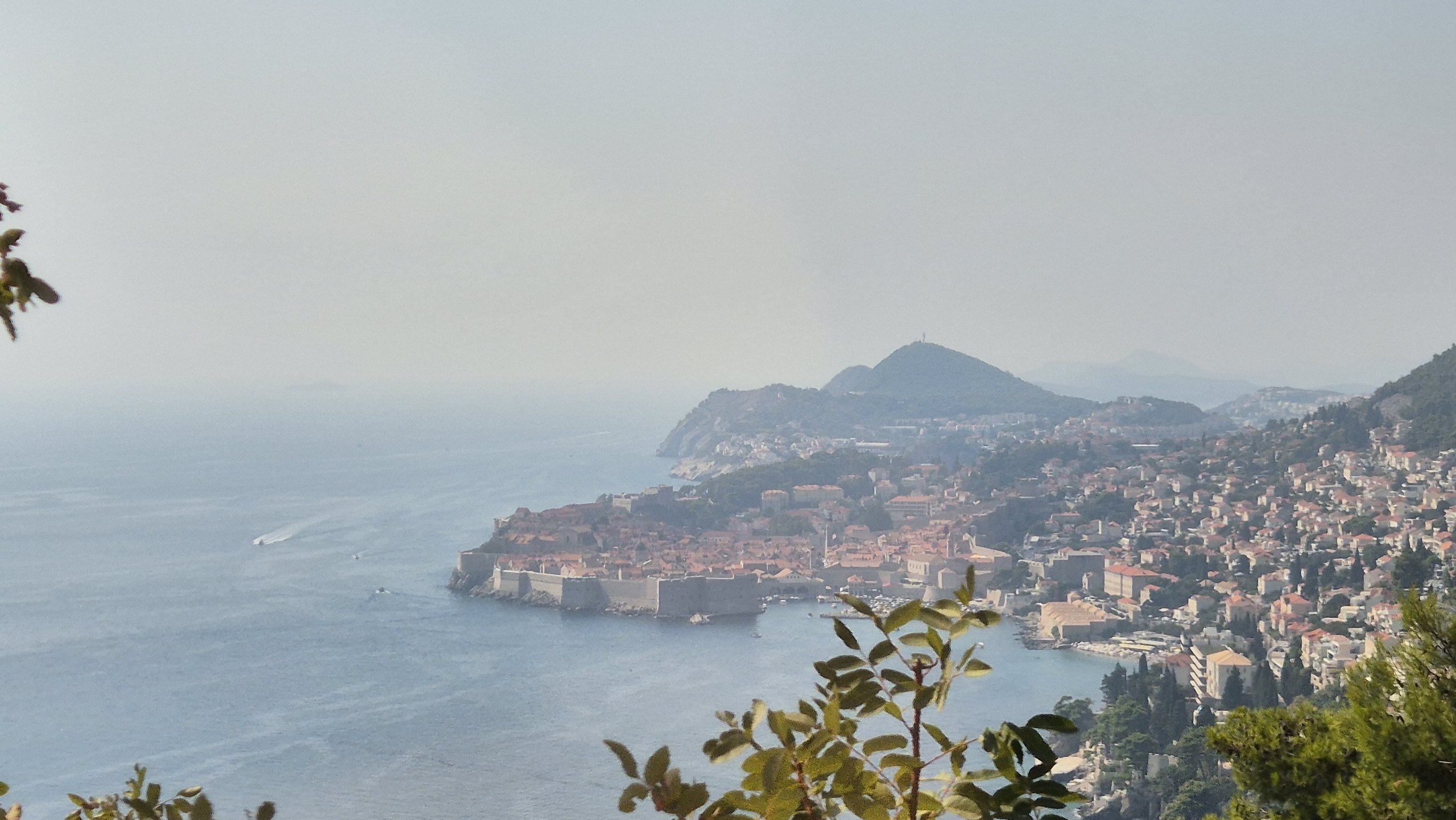
The starting bus station was right beside the shop. We reached the number 10 bus with only seconds to spare and headed towards Mlini, about 12 kilometres beyond Dubrovnik on the coast. The ride gave us our first elevated view back across Dubrovnik’s old walls and red roofs.
Check-in was only from 15:00. Between the late ferry and the grocery stop, we arrived at 15:08 and had theoretically timed it perfectly. In practice, the uncle-and-aunty cleaning team was still busy with our room, so we waited outside beneath a fig tree.
When we finally went inside, the room still smelled strongly of cleaning products. We wanted to leave the doors open, but the cleaning lady—who spoke very little English—kept closing them and pointing insistently at the air conditioner. Eventually we accepted that she had a system and stopped interfering.
She also brought us bananas. After travelling all this time without buying bananas once, we had finally decided to buy some at Konzum—only to be given even more for free as soon as we arrived.
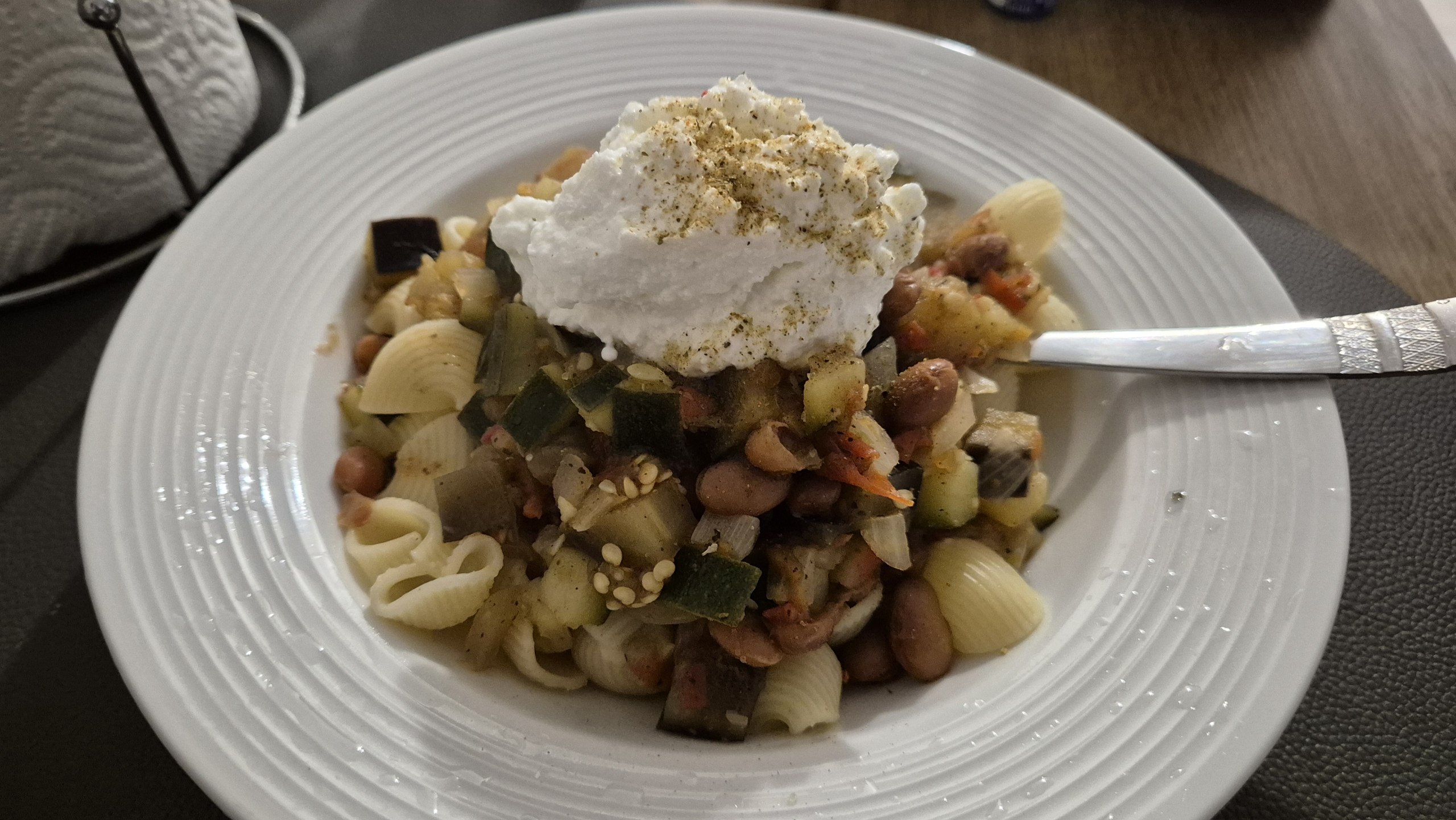
We rested for a while, and Caro made an early dinner before we walked down to the local beach beside the Sheraton hotel.
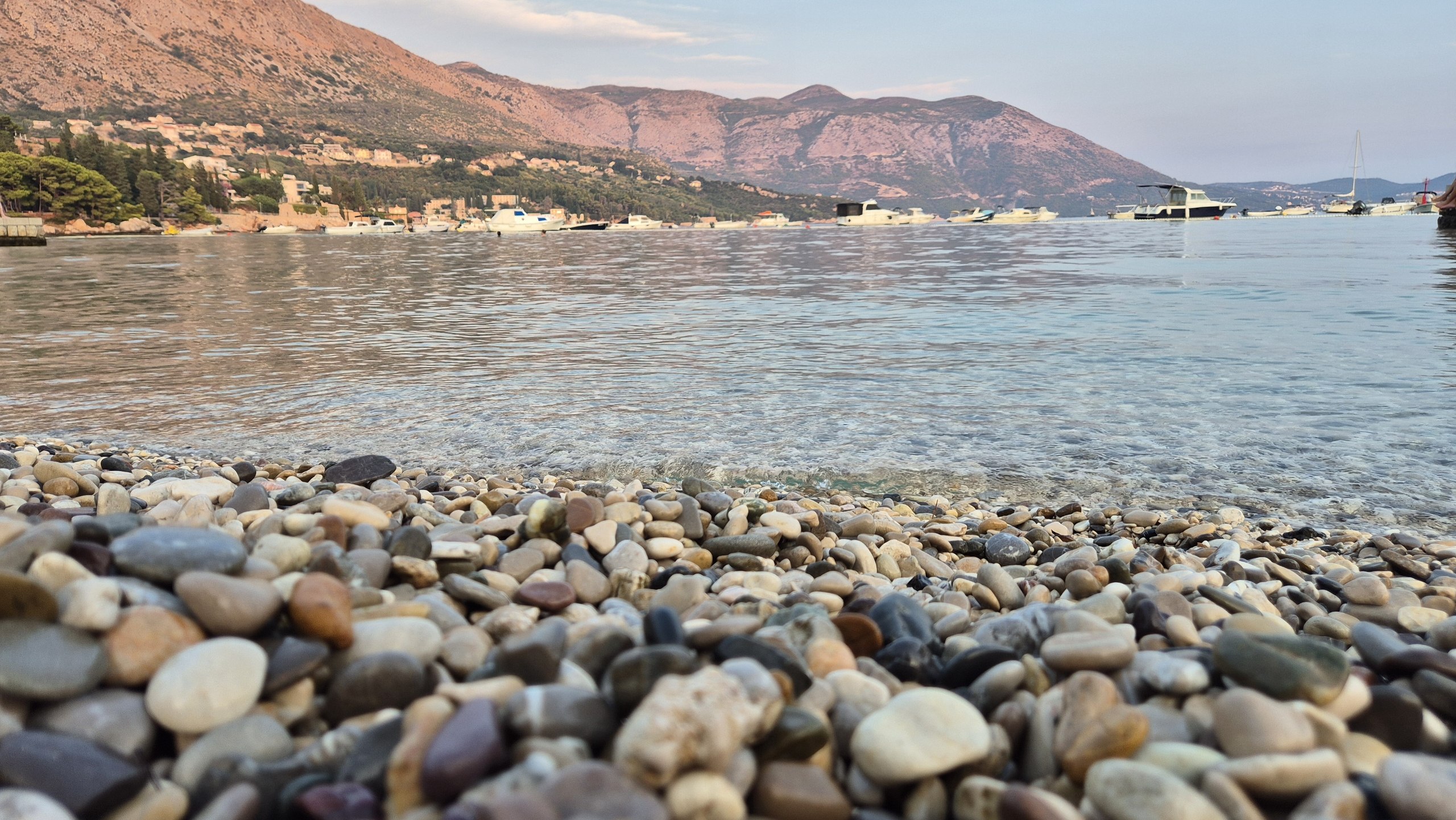
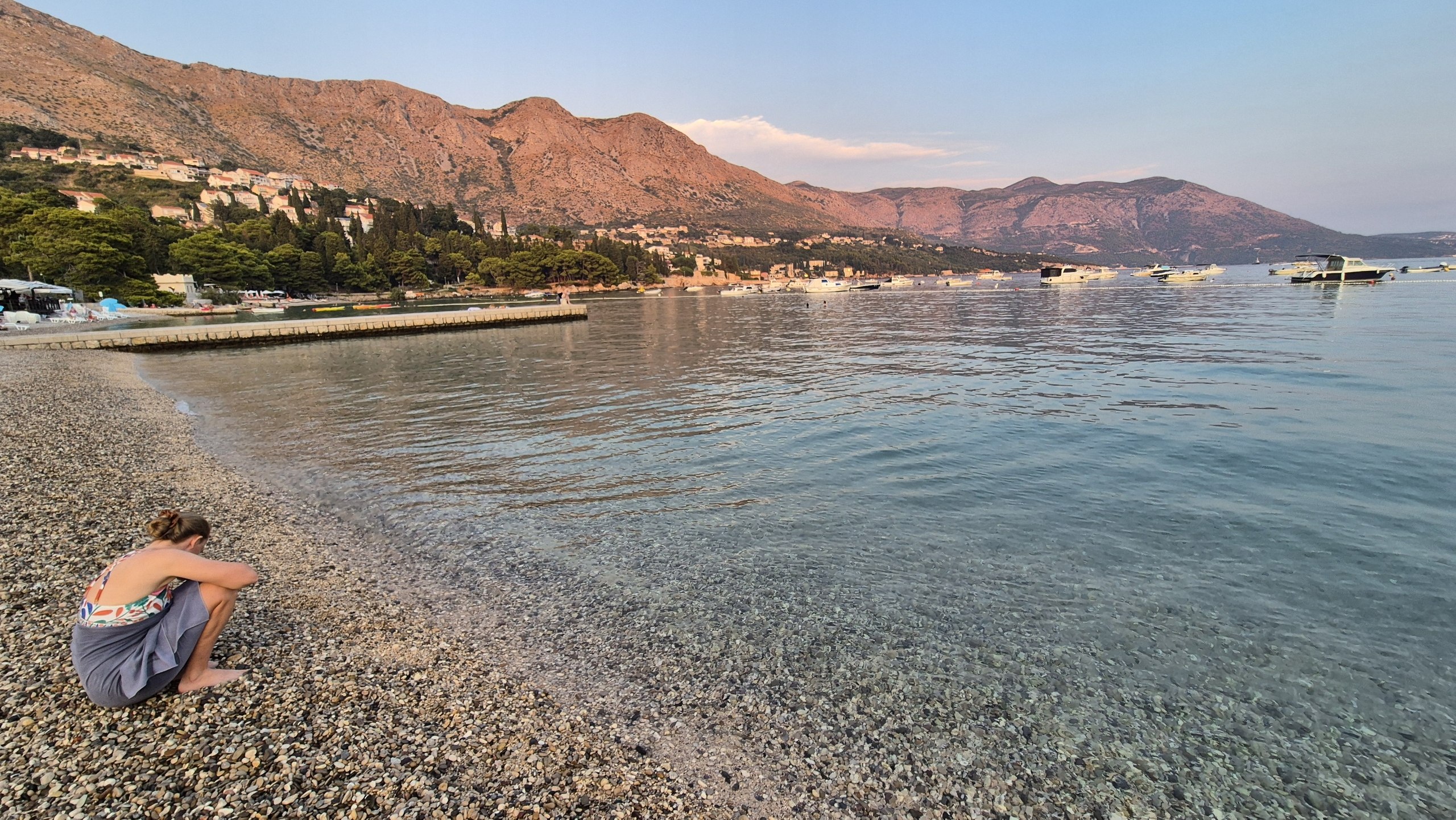
It was a pebble beach, but the stones looked less like something shaped by the sea and more like the neat, matching bags of pebbles sold at a garden centre. Later reading explained why it looked so arranged. Beach nourishment is common along the Croatian coast: gravel beaches are maintained or enlarged with stone brought in from rivers and quarries, often after winter storms. A Croatian study found that this is usually done in small amounts every year or two, while more than a quarter of the country’s existing beach area has been constructed for beaches, marinas and tourism.
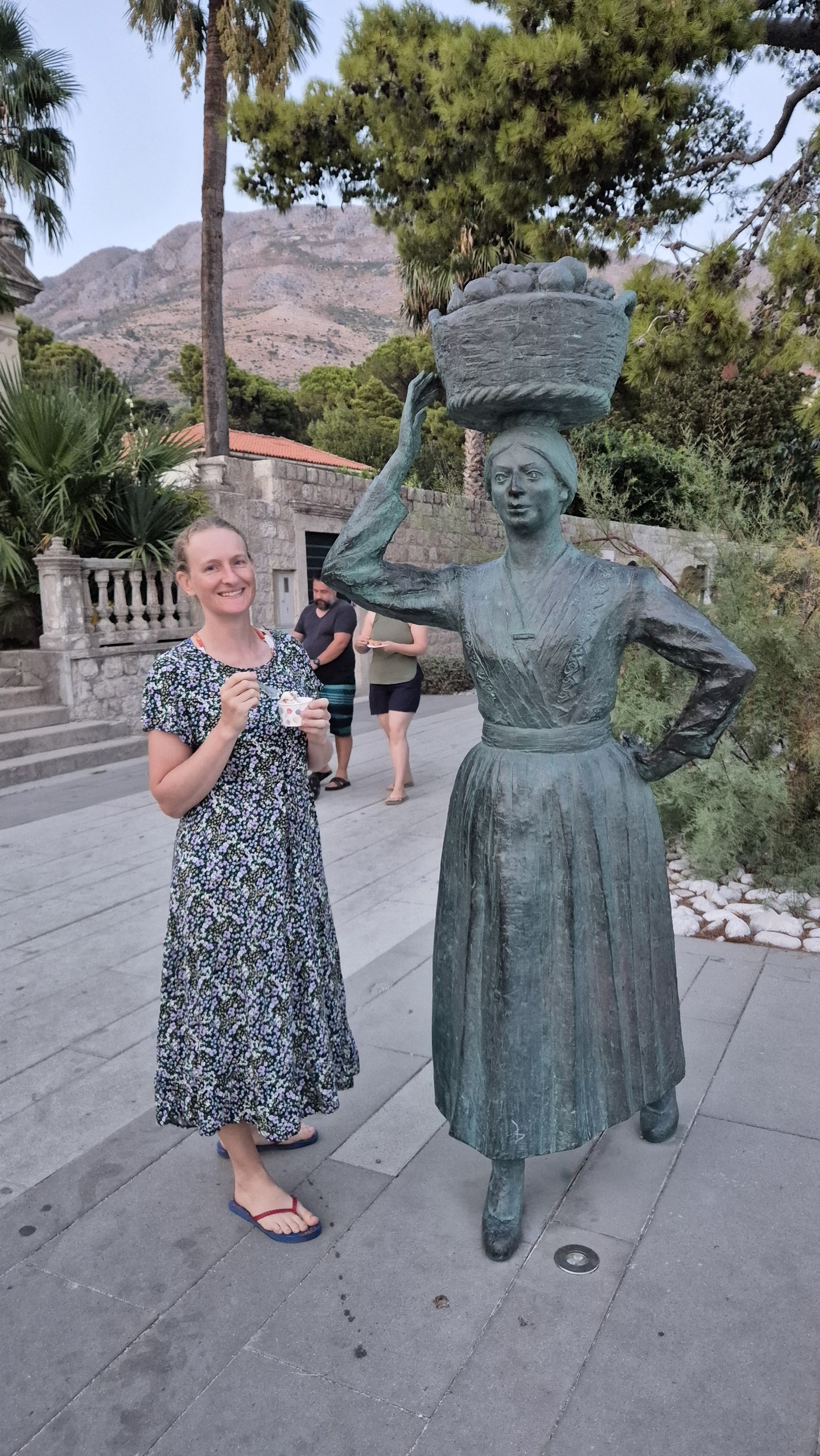
Caro also found Ferrero Rocher ice cream and posed beside a statue of a market woman carrying a basket of produce.
We only had one more night in Dubrovnik, followed by a 22:55 flight to Zagreb on Friday, so we had been going back and forth over how to use the remaining time.
Thursday afternoon was the obvious time for Dubrovnik itself, allowing Hugo to work in the morning. Friday was less certain. We considered staying beside the beach we had just scouted, taking a day trip to Montenegro or Bosnia, or joining a Blue Cave and three-island boat trip. All of them were offered through the guesthouse.
We were mostly settled on Montenegro, but at the last minute asked whether the boat trip might still be available for Friday. Our host replied that it was highly recommended and could be arranged.
A while later, at about 22:00, another message arrived: the booking was confirmed for 10 September, with pickup at 07:40.
There was only one problem. The 10th was not Friday. It was tomorrow.
We asked whether she had made a typo, since we had clearly requested Friday. Without apologising or missing a beat, she said she could try to reschedule it, but that Friday’s trip would probably be cancelled because of bad weather.
We checked the forecast. Annoyingly, she appeared to be right.
So it looked as though we were going on a boat trip the next morning—and needed to be at the pickup point by 07:40.


Leave A Comment