
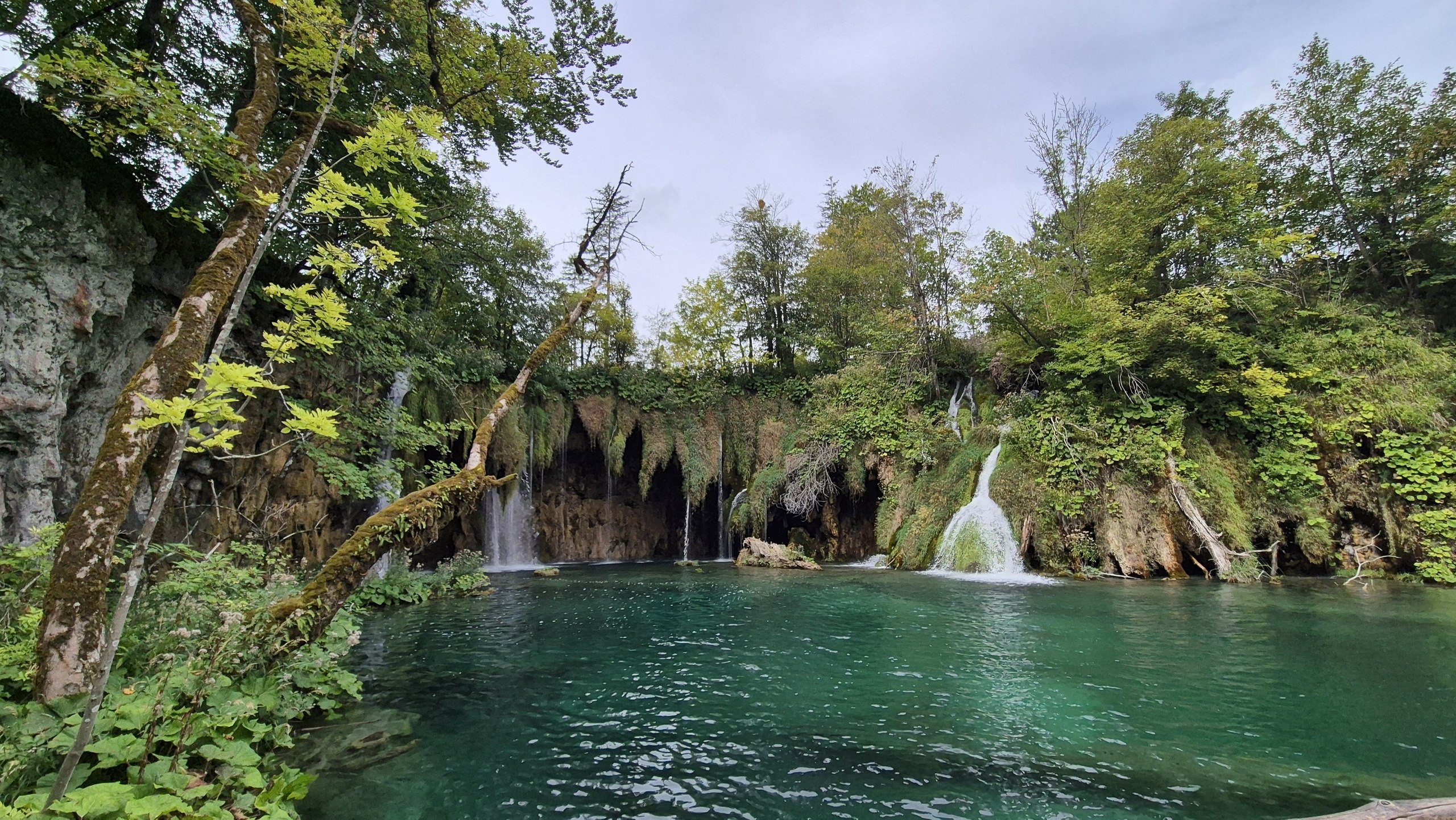
We got up at 07:00, made coffee and packed our bags. Before leaving Zagreb, we walked to a bakery near the cathedral and bought a few different kinds of burek for breakfast.
We deliberately chose the slower Bolt option, thinking that would give us time to eat. Naturally, it arrived within minutes. About half an hour later we were at Zagreb Airport, ready for the part of the day we had spent far too much time worrying about.
We had originally booked an Avis car through Booking.com. While we were in Germany, Hugo noticed a strange clause saying that we needed a flight ticket to collect an airport rental. Three or four Booking.com agents, what felt like hundreds of chats with AI, and discussions with friends and family did not produce much certainty. At one point, buying a cheap flight that we would never use seemed like the simplest solution.
Booking.com eventually said that it had contacted Avis. Avis agreed that the clause applied and that we really did need a flight ticket, but also said that a “fake” flight—a cheap ticket bought only to satisfy the requirement and never used—would be acceptable. We still cancelled the Booking.com reservation and booked directly with Avis, whose terms did not mention the clause. Then, only a few days before collection, Airbnb offered us a cheaper quote from Last Minute Rent a Car Croatia. That produced a fresh round of doubts: its logo looked suspiciously like lastminute.com, despite the companies being unrelated, and the instructions insisted that the credit card show the renter’s full name without abbreviations.
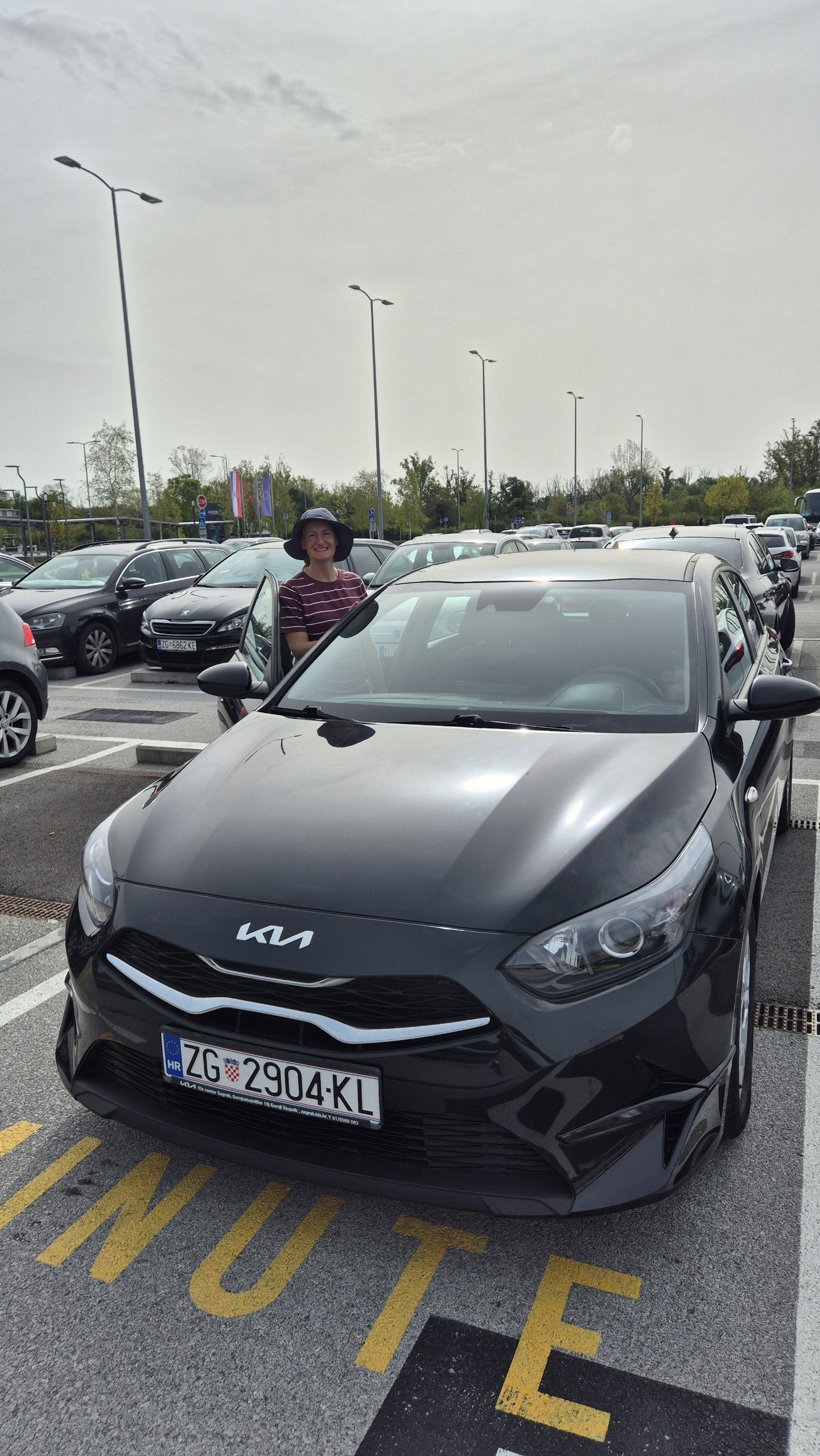
Croatian rental companies also seem to collect terrible online reviews about surprise charges, invented damage and generally unpleasant counter staff. As usual, reality was much less dramatic than the research. The man at the desk was friendly, did not push any add-ons and produced no hidden charges. Hugo asked for the full insurance anyway, and the total was still cheaper than the original Booking.com Avis price without insurance. Our car was a Kia Ceed.
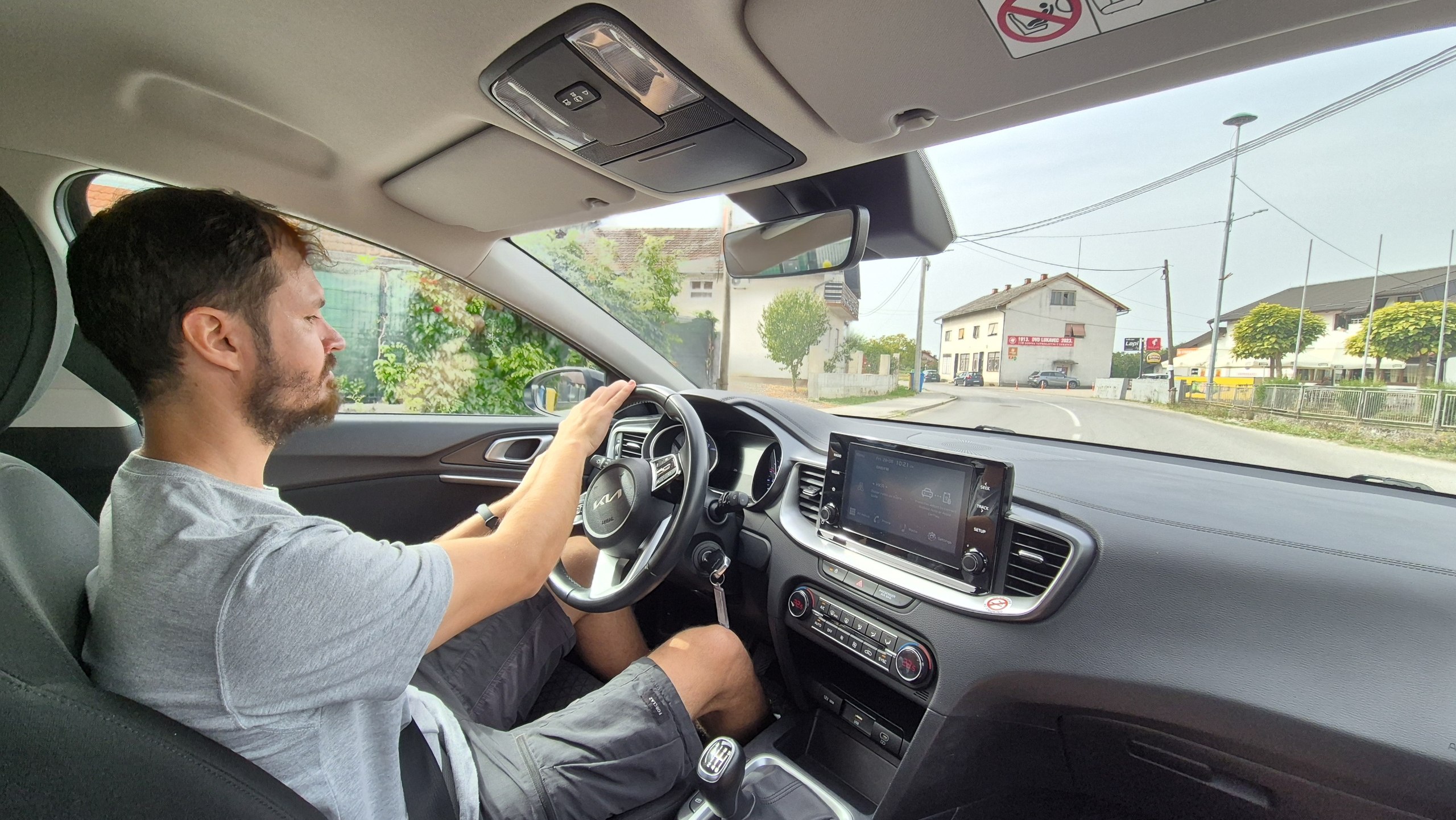
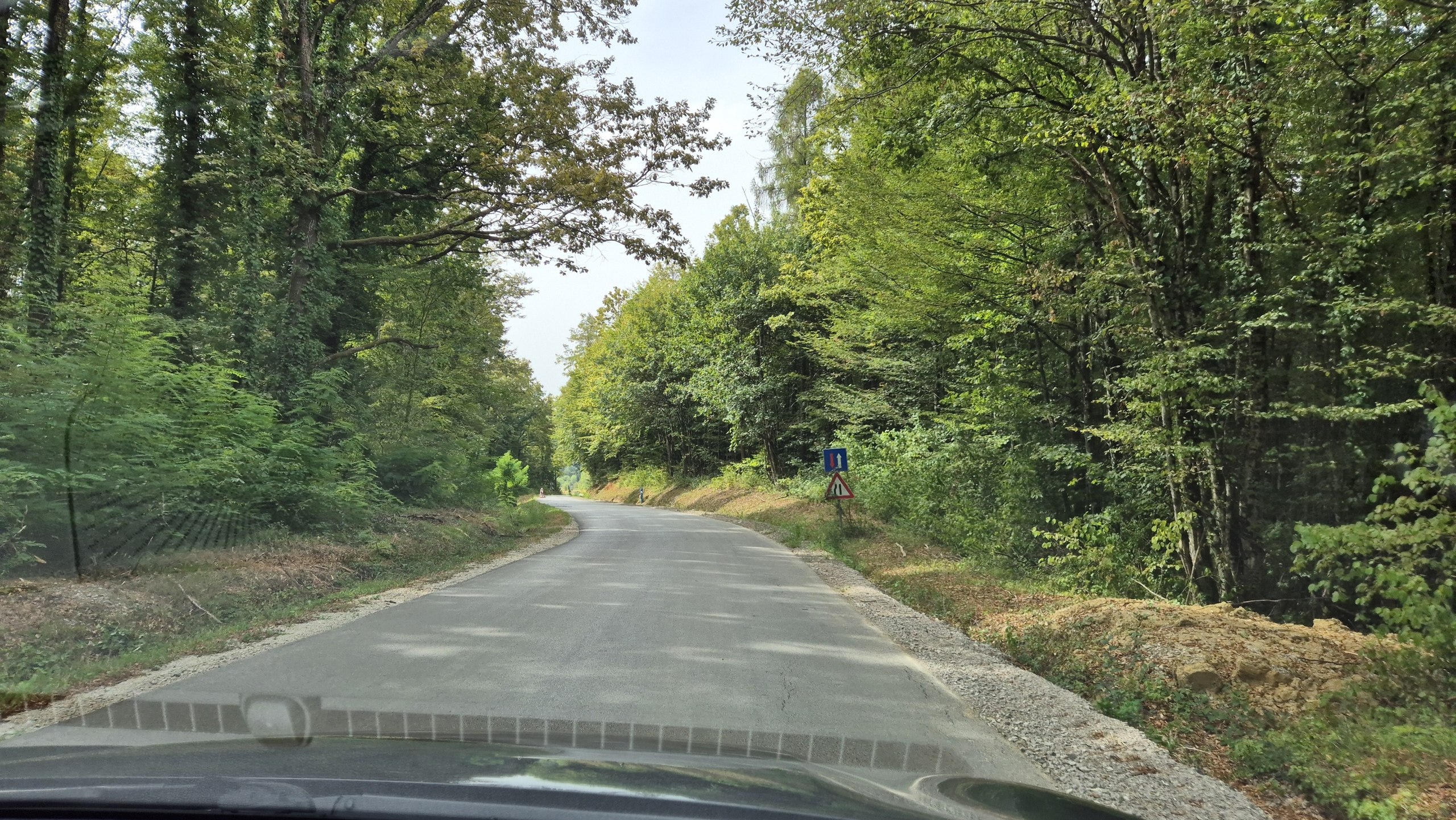
We left Zagreb using the no-toll route. For the first hour, almost no instruction lasted longer than 15 kilometres before another left or right turn sent us onto an even narrower road. Some were barely wide enough for two cars to pass and had an impressive collection of patchwork and potholes, but the forested countryside was beautiful.
For the final 40 kilometres we rejoined the A1, which was much easier. Along the way we stopped at a truffle shop, tasted both white and black truffle, and bought two small jars.

We reached Slunj at about 13:00 and parked at our accommodation, where check-in was again officially only at 16:00. We walked the 1.2 kilometres back towards Rastoke, following the river past the old castle and down towards the historic mill settlement.
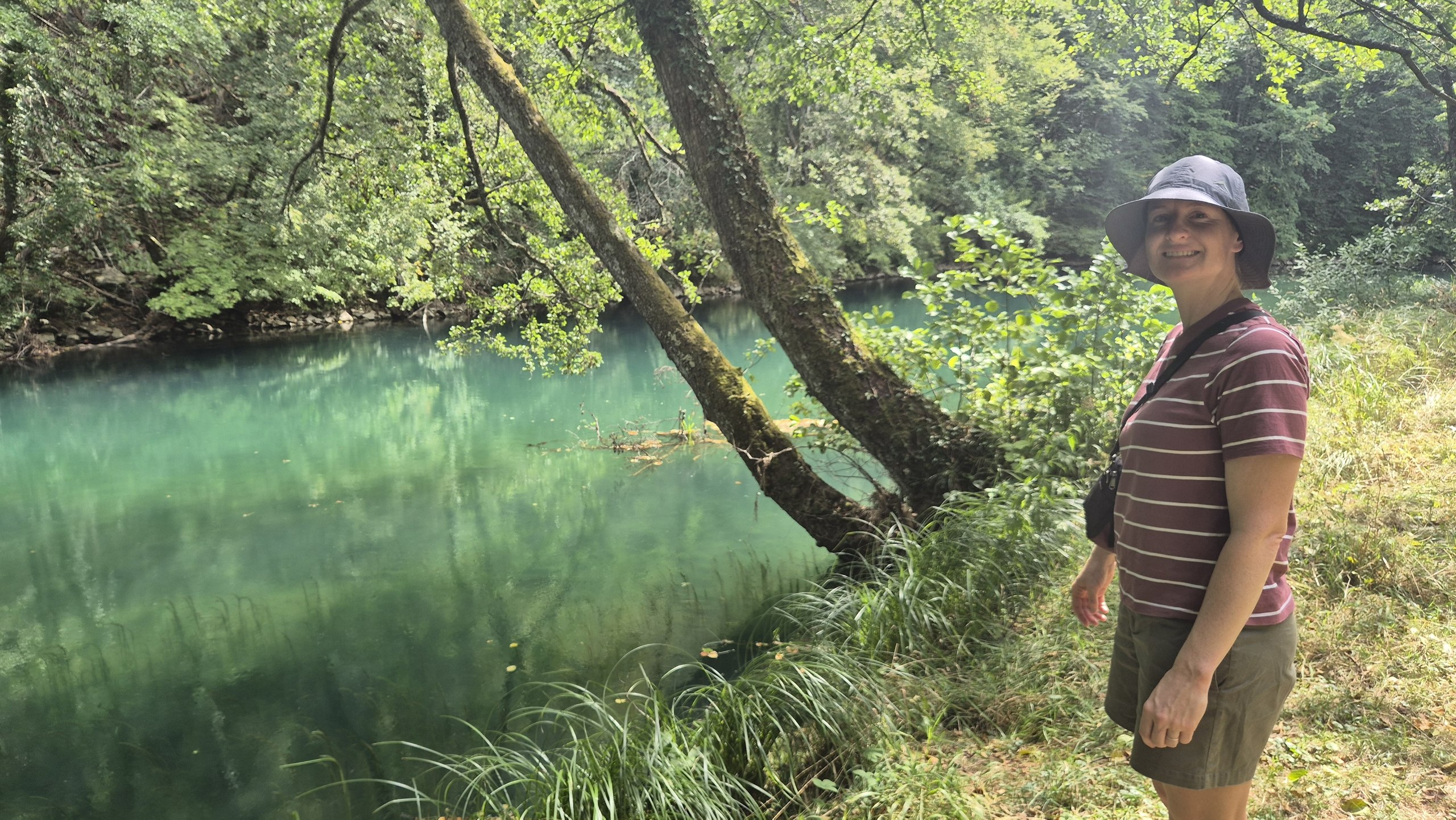
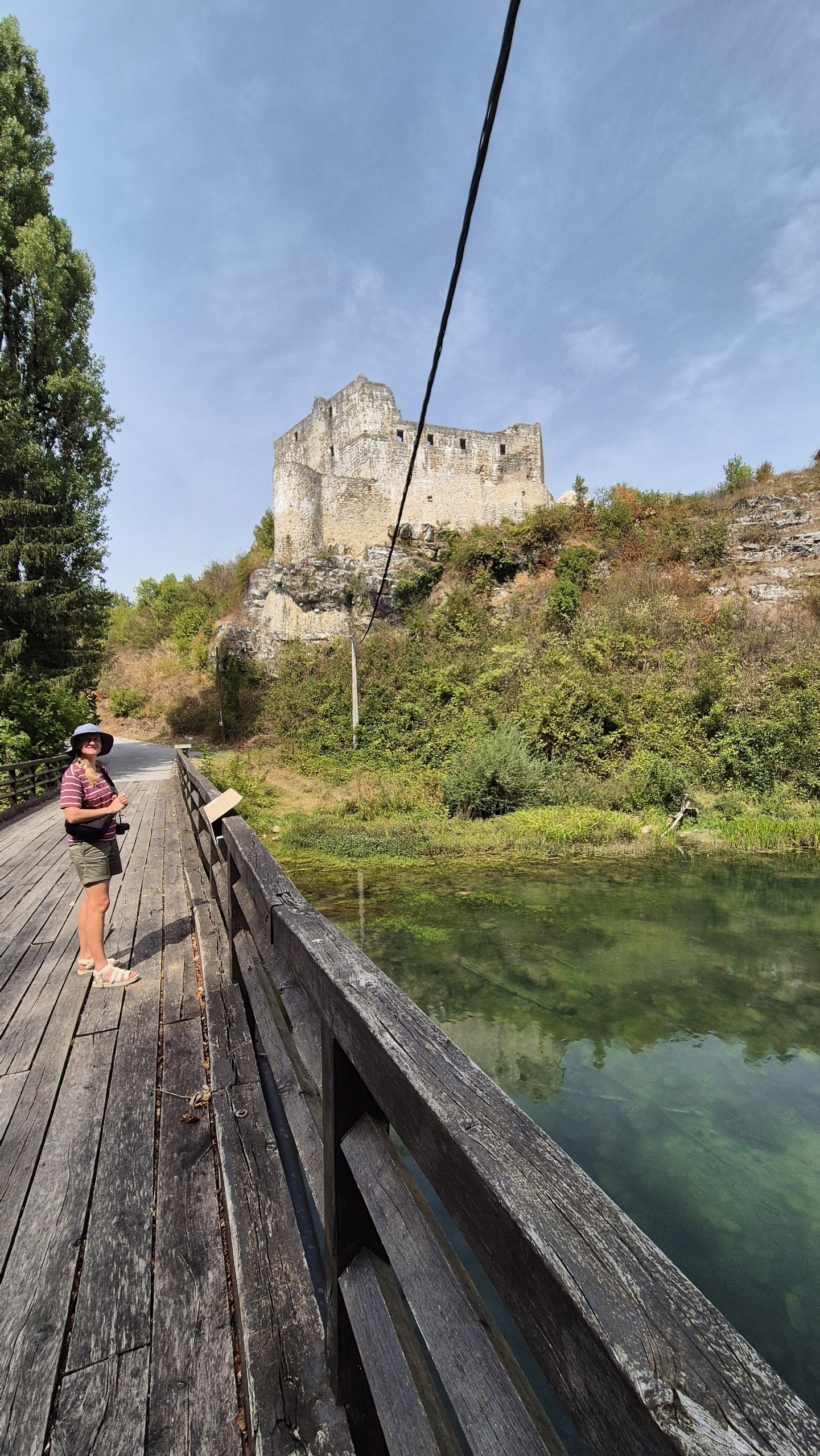
Rastoke sits where the Slunjčica spreads across travertine barriers and tumbles into the Korana through cascades, rapids and pools. The settlement grew around the water from at least the 17th century, with houses and mills built directly among the channels. The current powered millstones for grain and even wooden laundry baskets long before electric washing machines. It is sometimes called “Little Plitvice”, but unlike the national park, Rastoke has been a living watermill village for centuries.
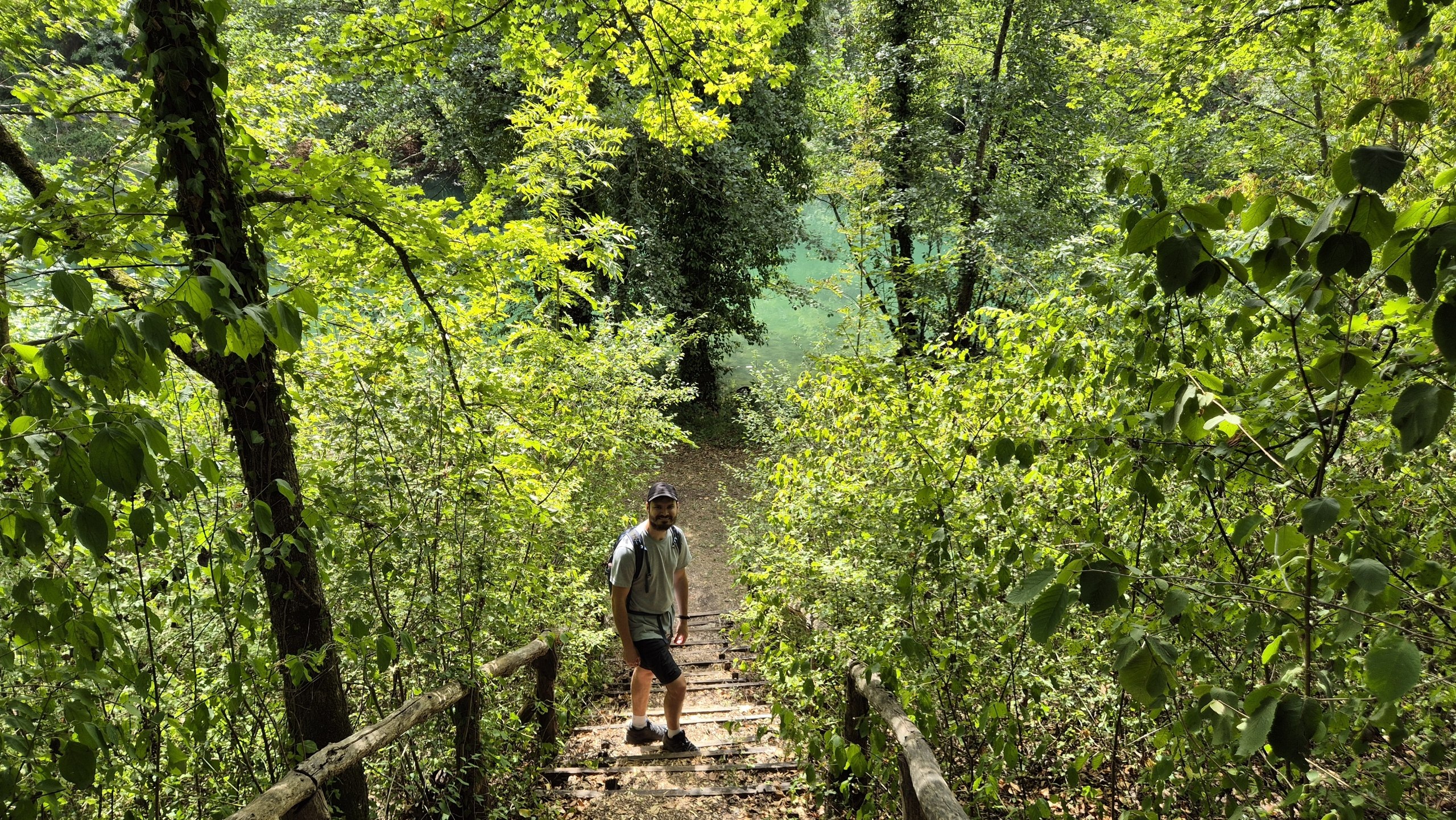
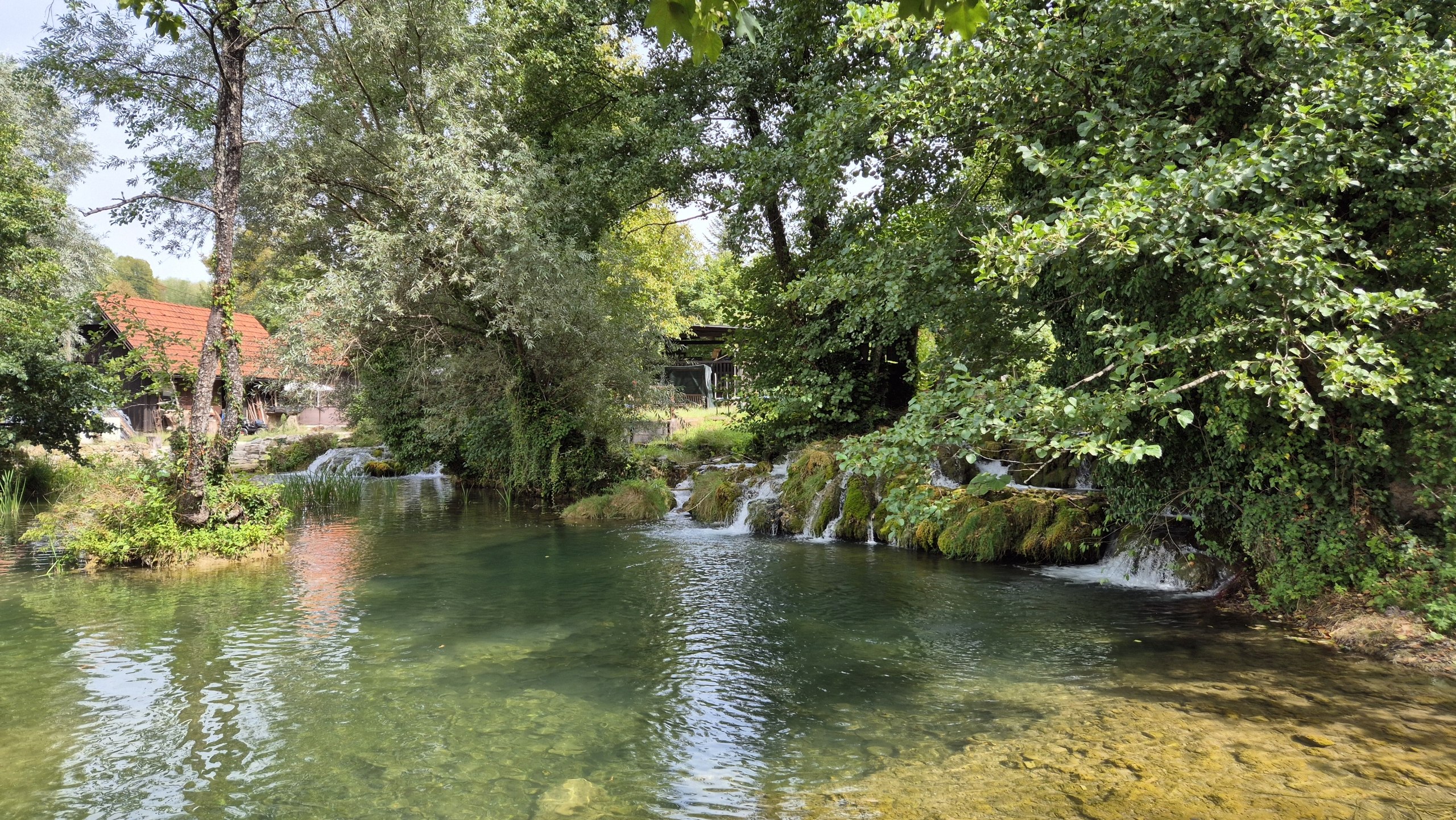
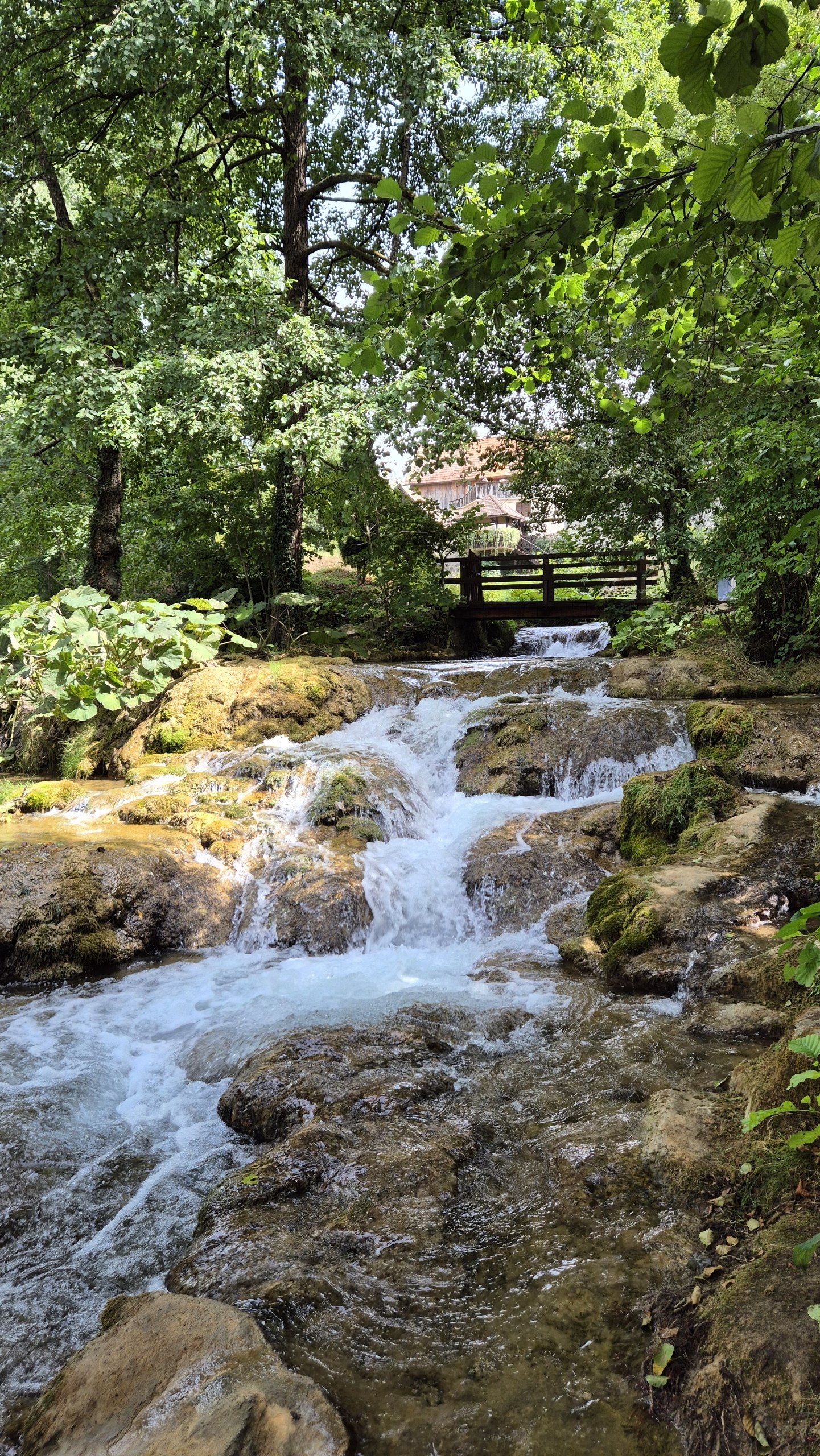
It was very cool to see, but Slunj and Rastoke were not quite what we had imagined while planning. An hour-long stop on the way to Plitvice would probably have been enough. Fortunately, we were allowed to check in at about 15:00.
That left us with a dilemma. Plitvice was only about 20 kilometres away, but our tickets were booked for Sunday, leaving all of Saturday with very little to do. Hugo had, for once, had the foresight to pay for free cancellation and changes. There were still plenty of spaces available, so we moved the booking to Saturday and congratulated ourselves on a sensible decision.
Only afterwards did Hugo ask whether we had checked the weather. Disaster: Saturday showed rain all day and a severe thunderstorm warning. We went back and forth over the options, reached almost no conclusion, and eventually went to bed.
We got up at 06:00 and drove to Plitvice, arriving by 07:00. The forecast had transformed overnight and now showed only 0.5 and 0.2 millimetres of rain across three hours. We entered the park at about 07:45. It was still fairly quiet, although there were more people than we expected at that hour.
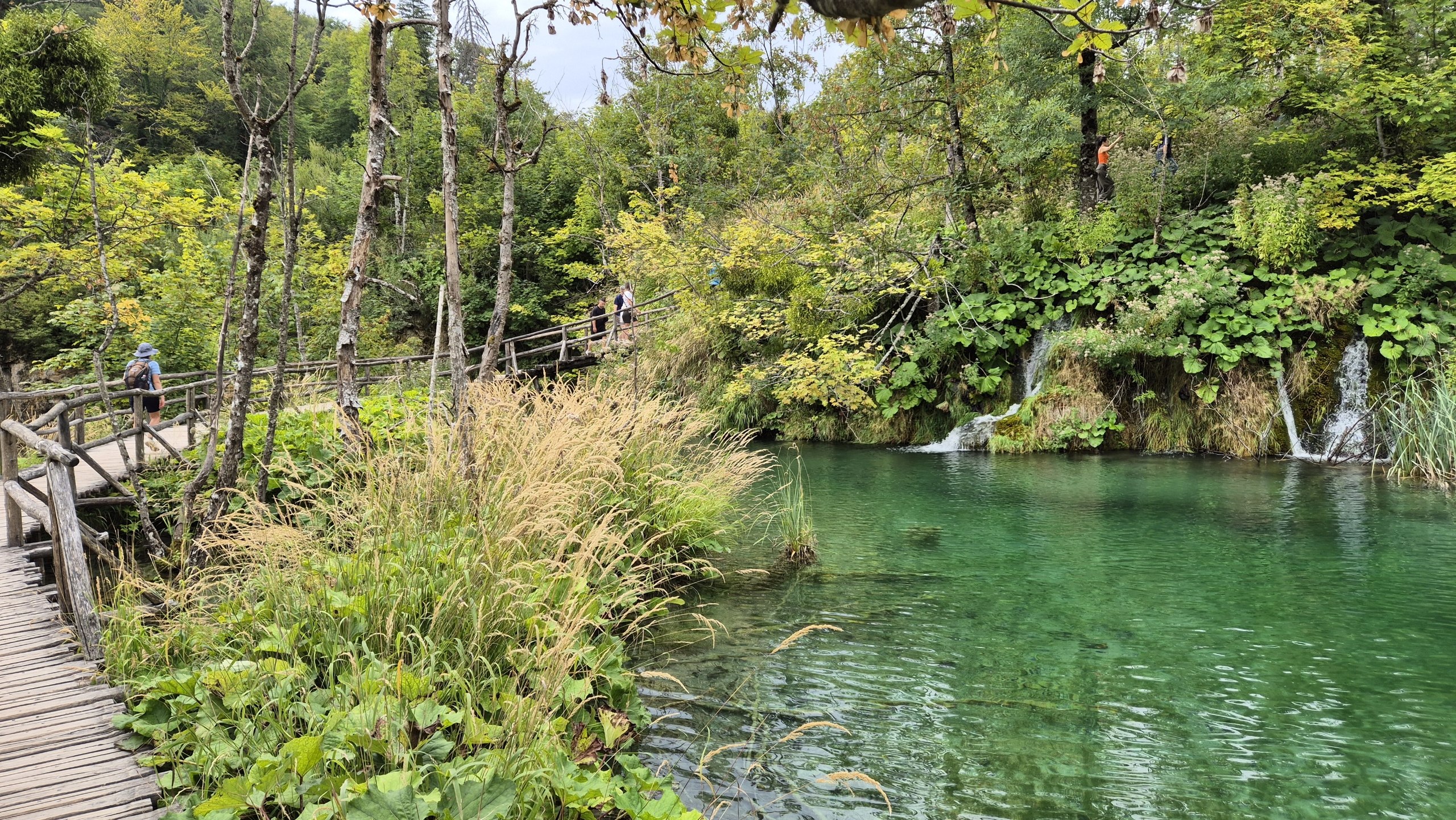
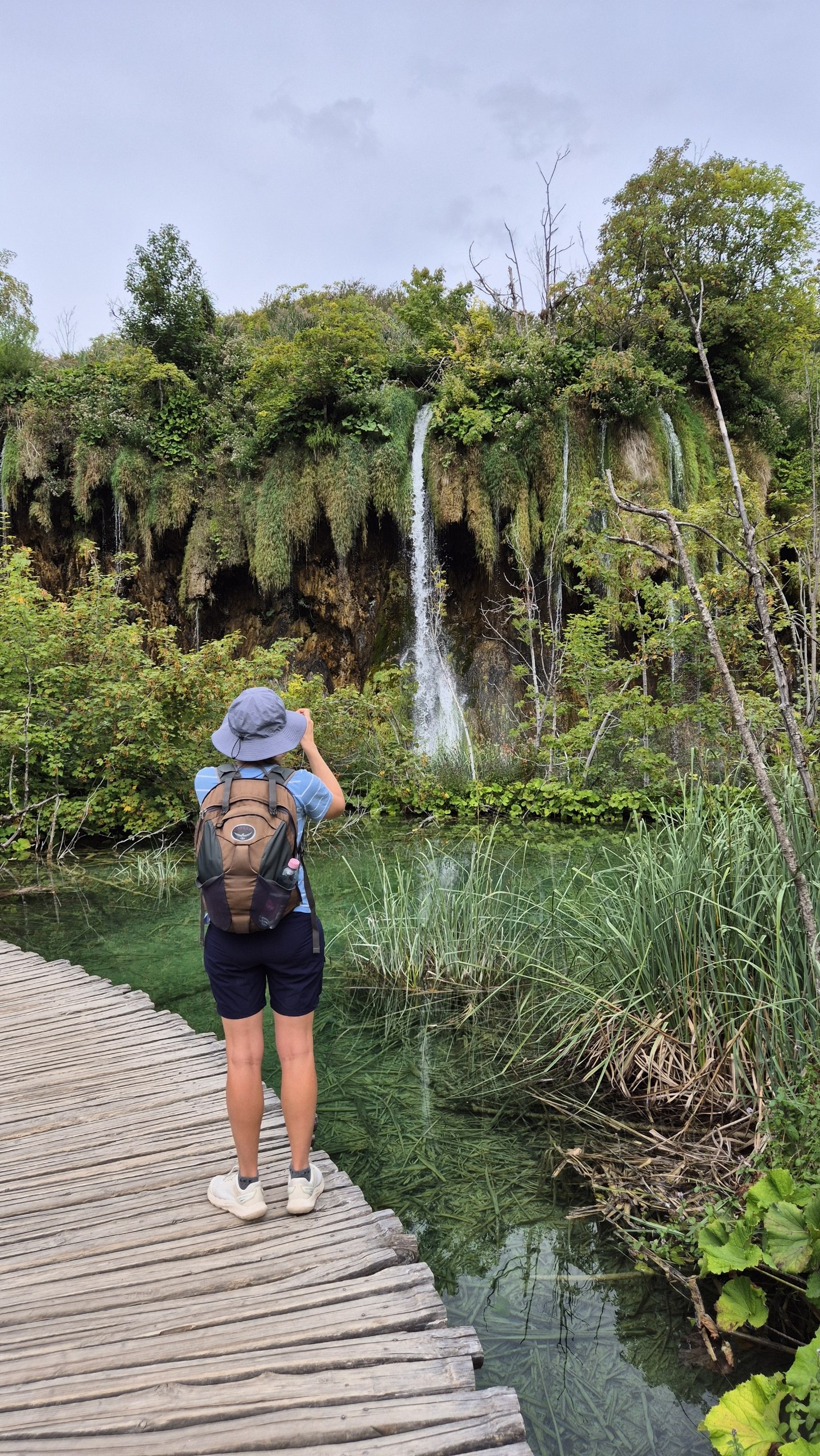
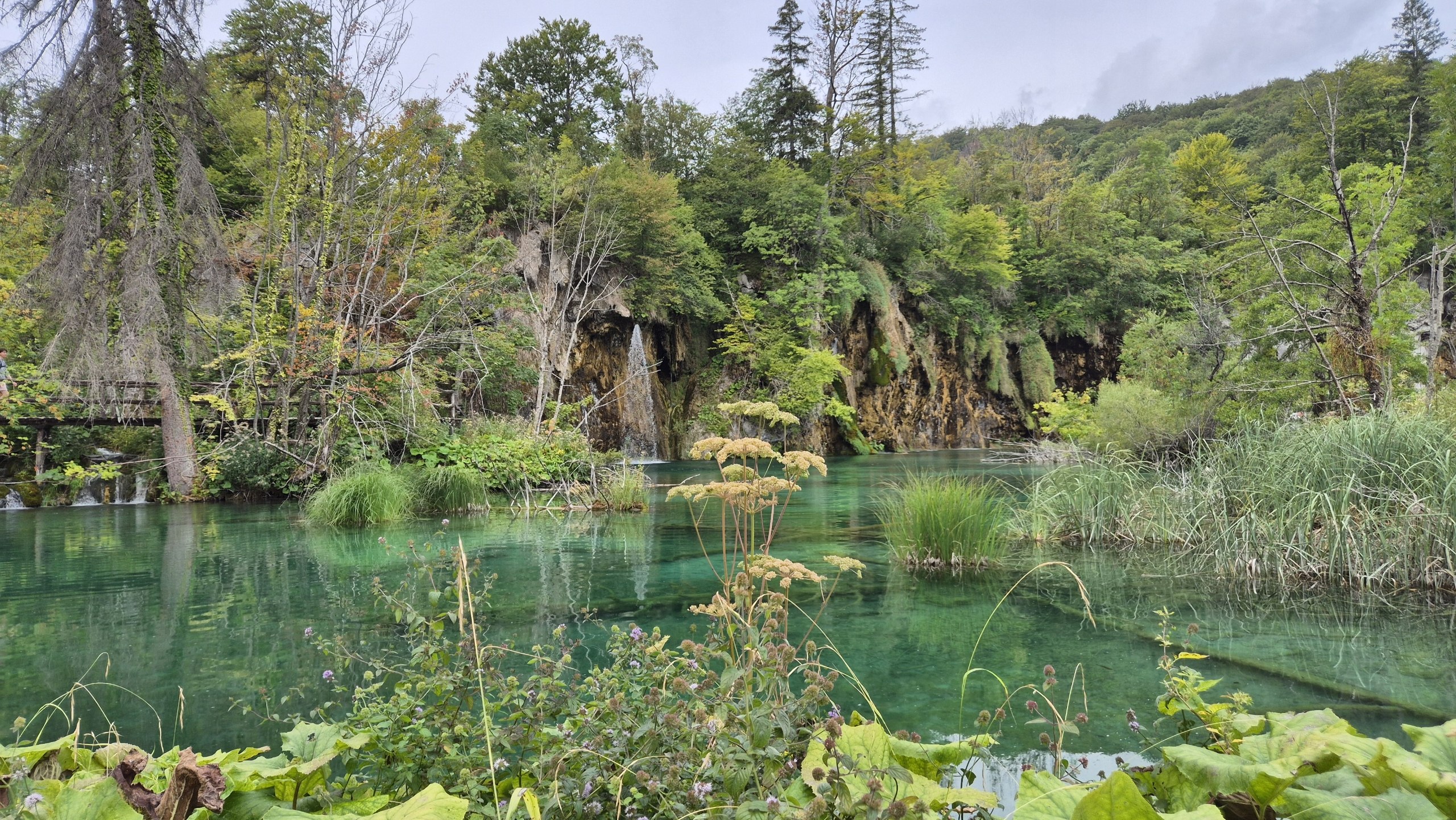
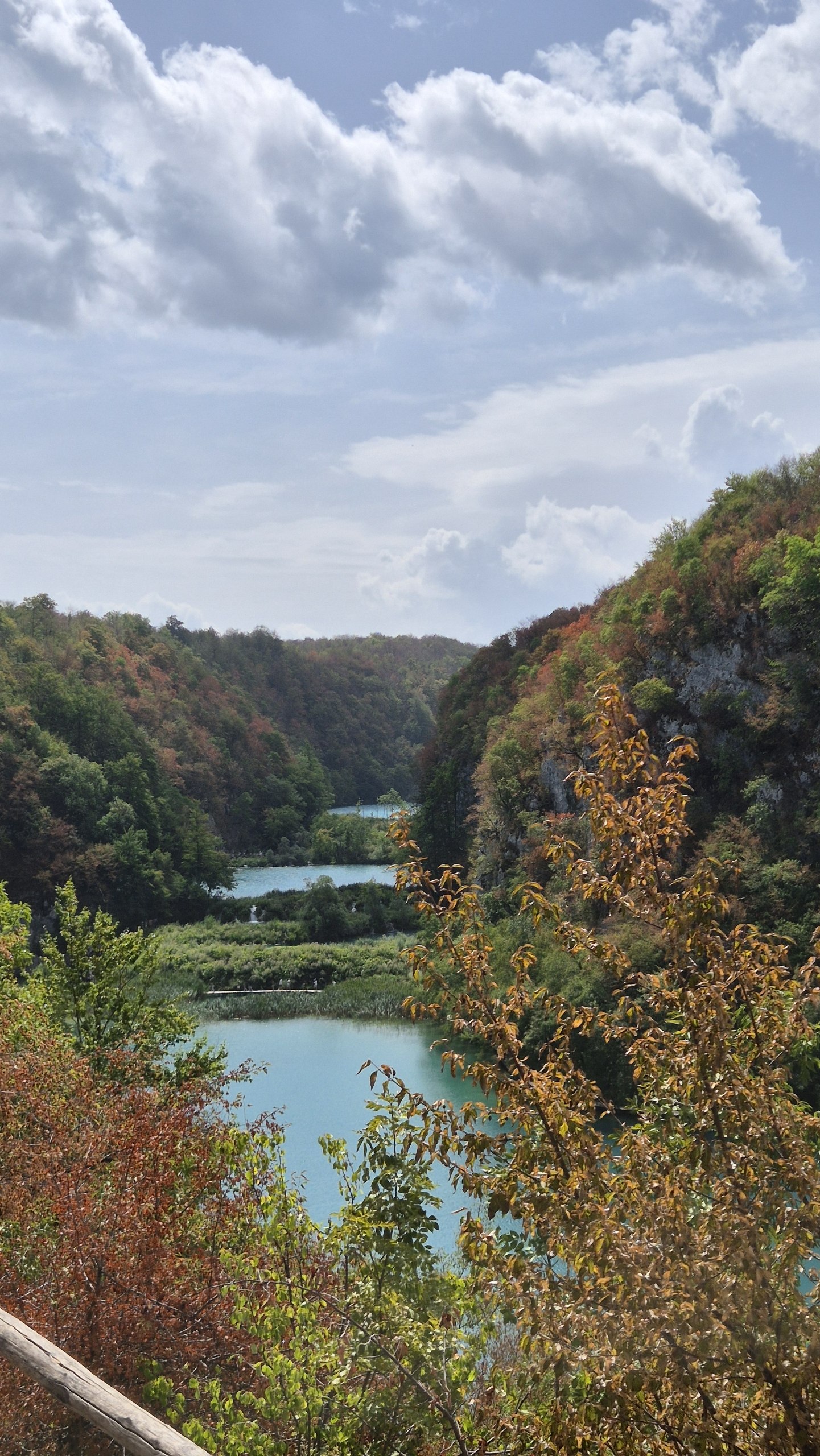
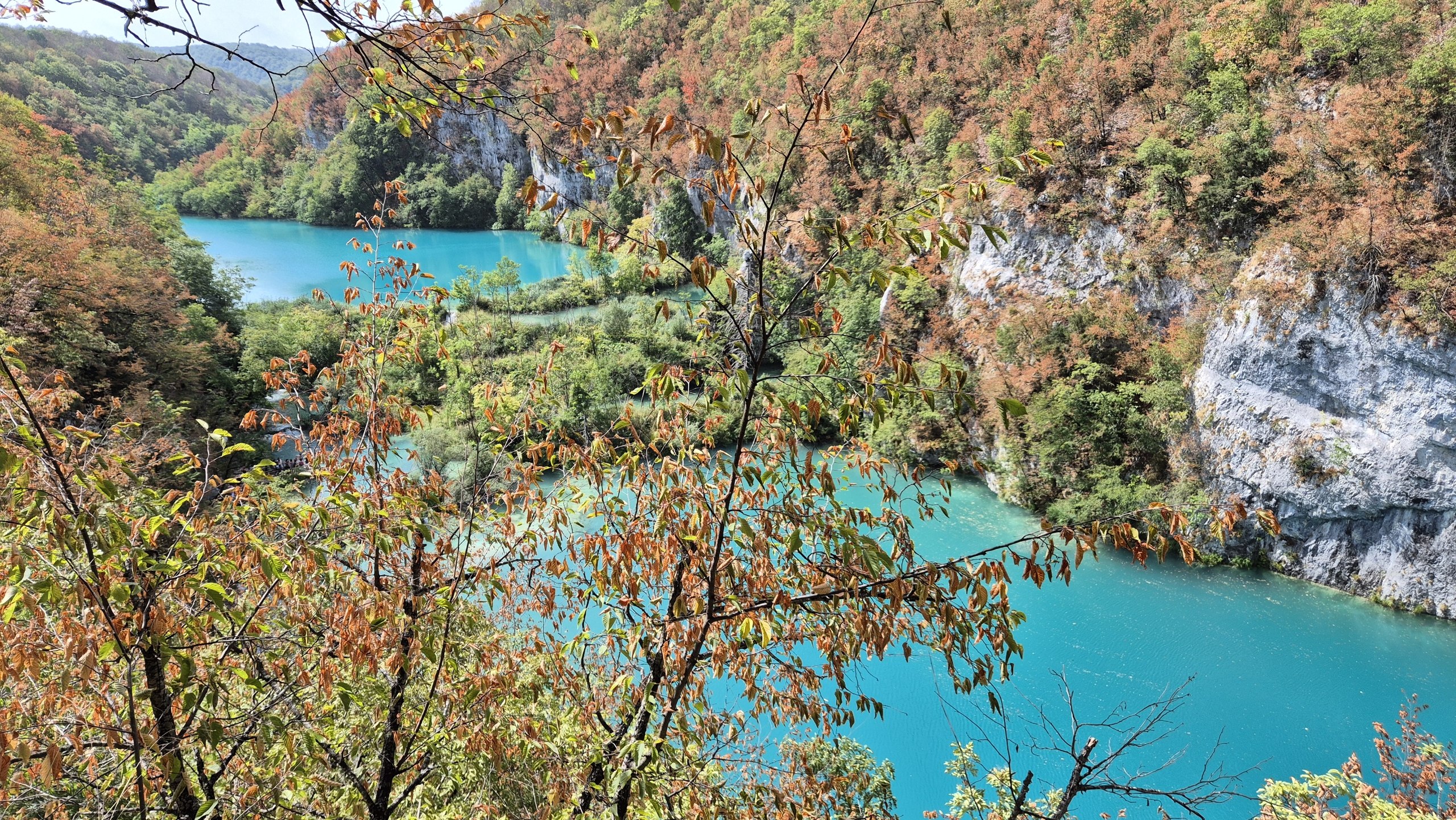
Even after seeing so many photographs online, the waterfalls, clear lakes and extraordinary water colours were impressive in real life. We followed Route C from Entrance 1, walking upstream through the Lower Lakes so that we faced the waterfalls as we approached them.
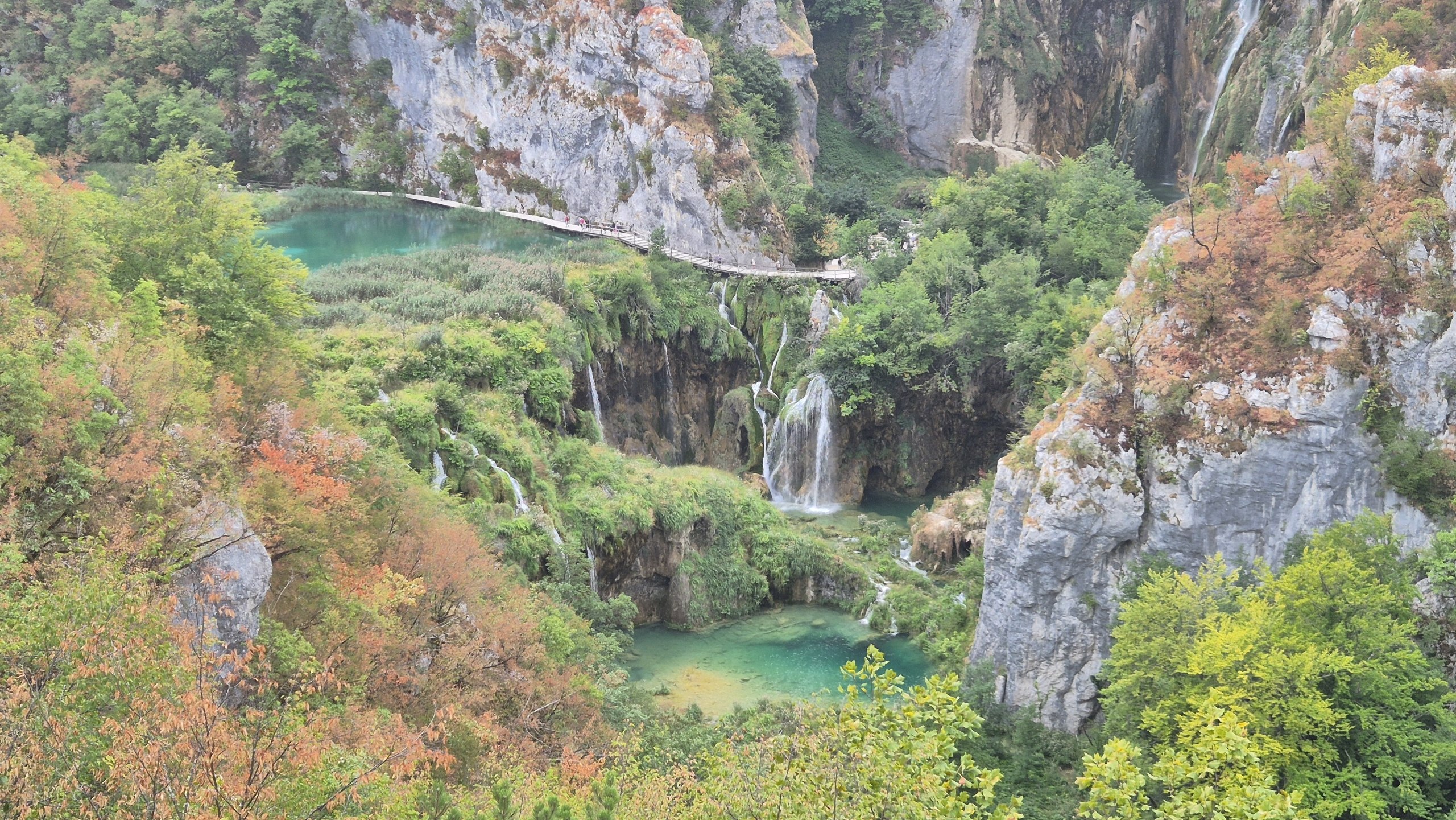
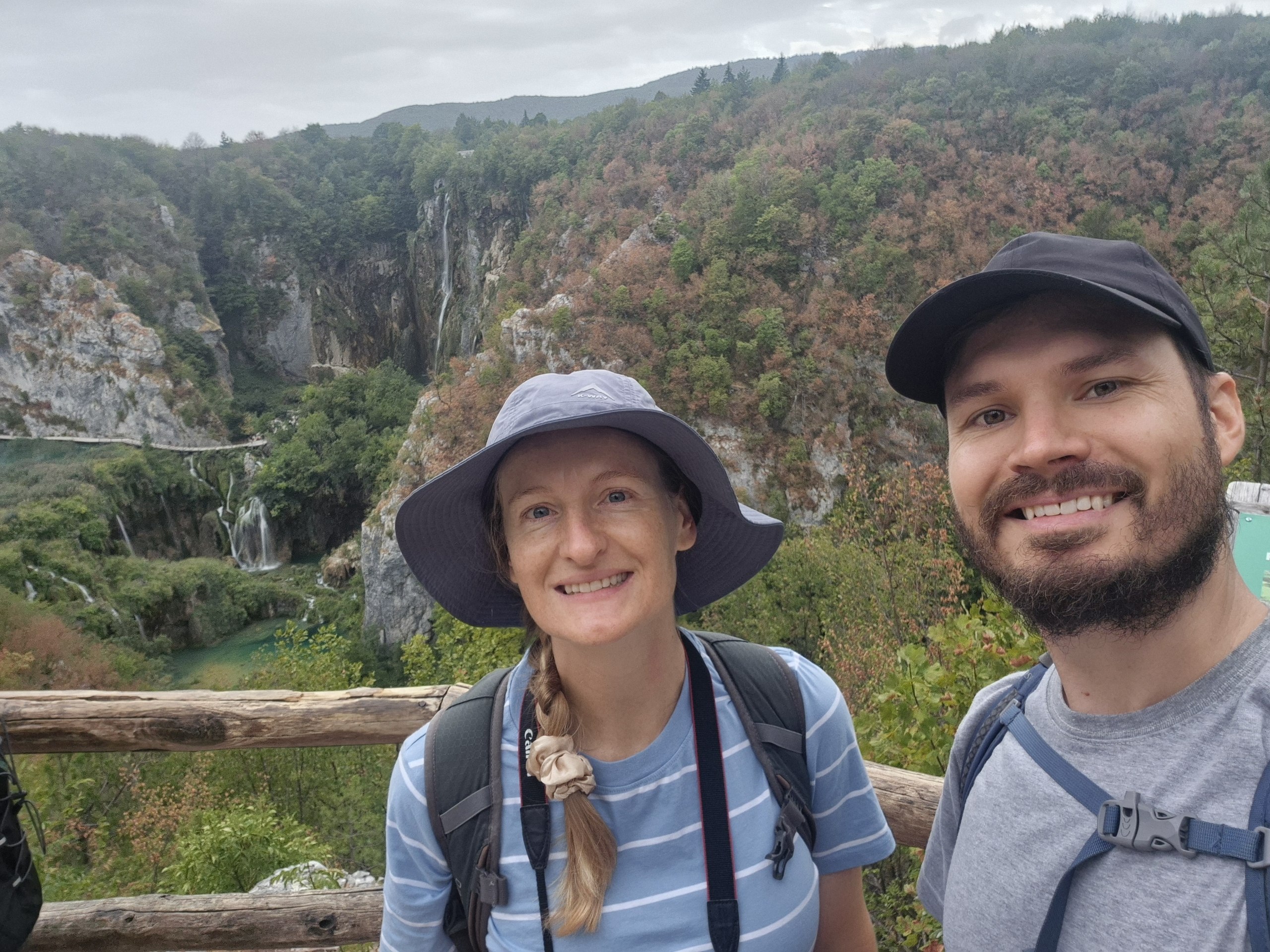
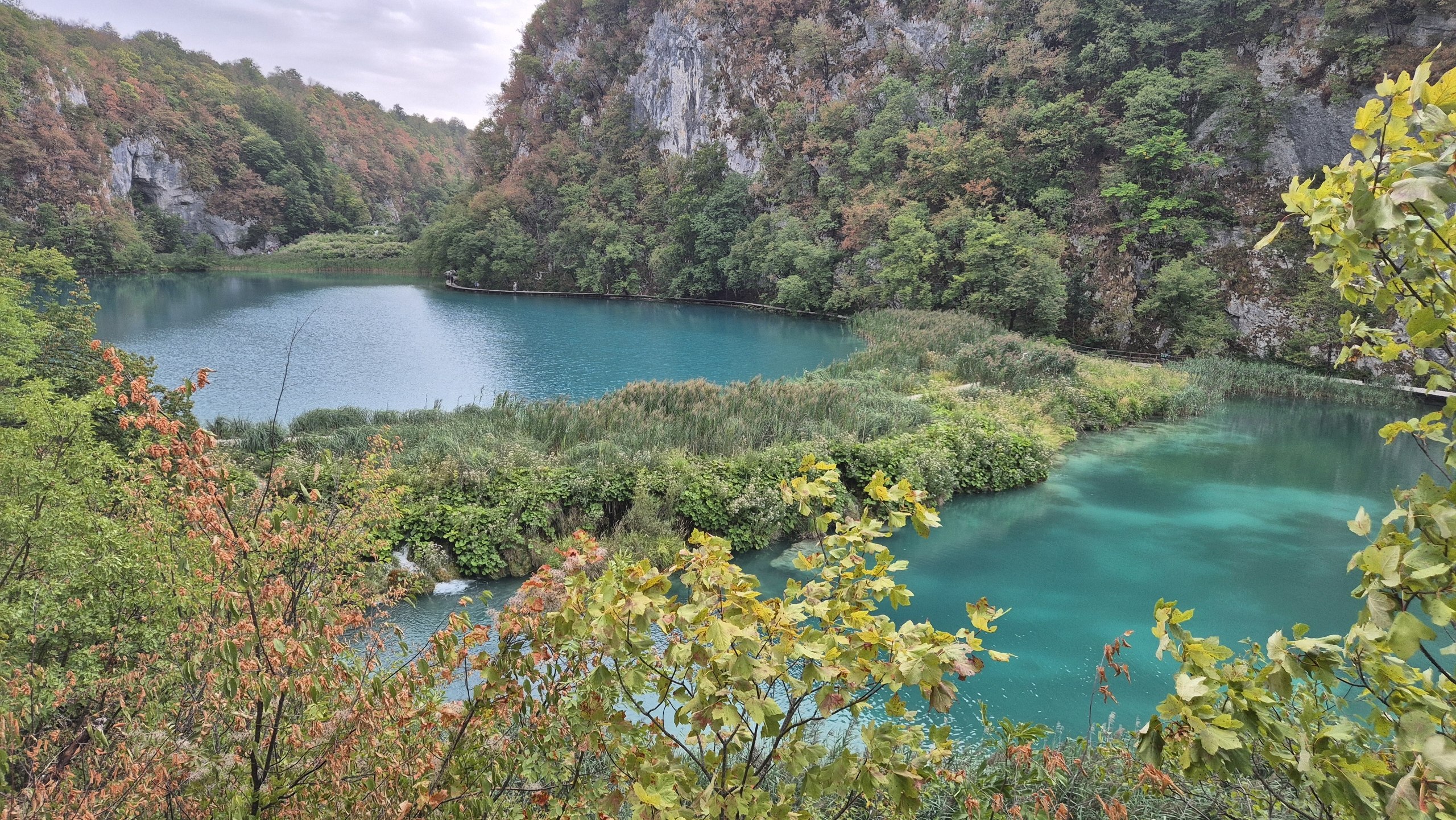
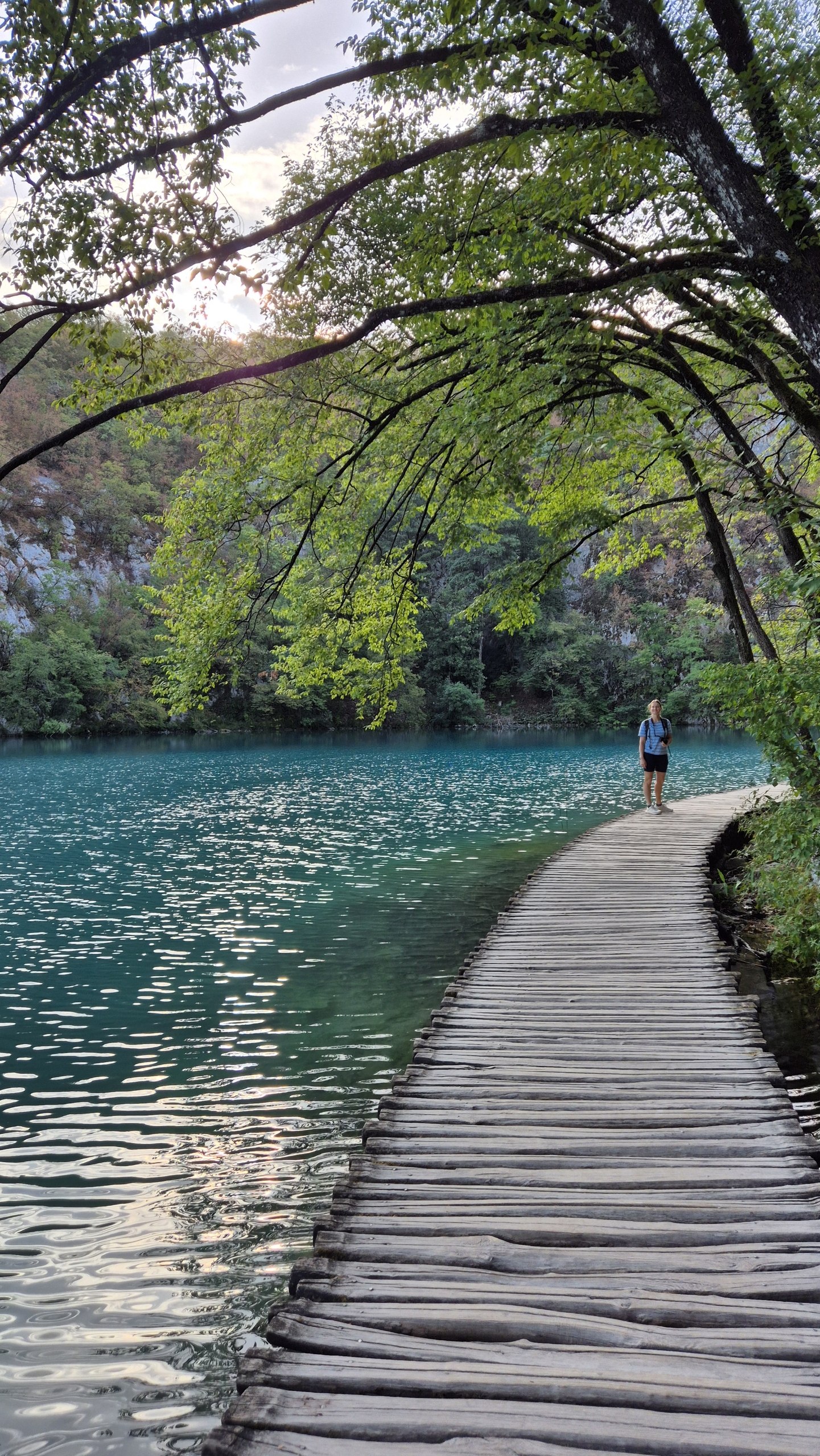
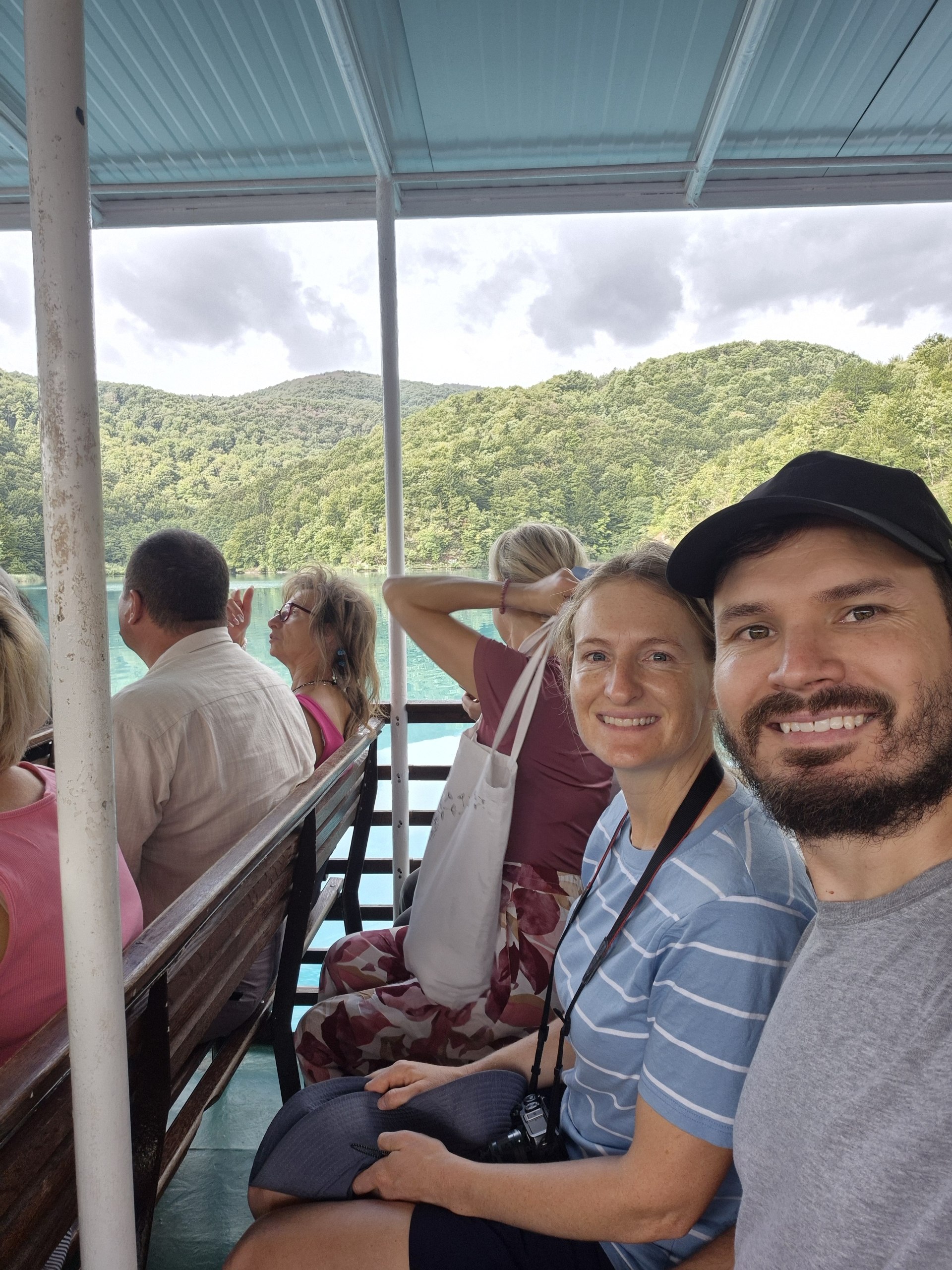
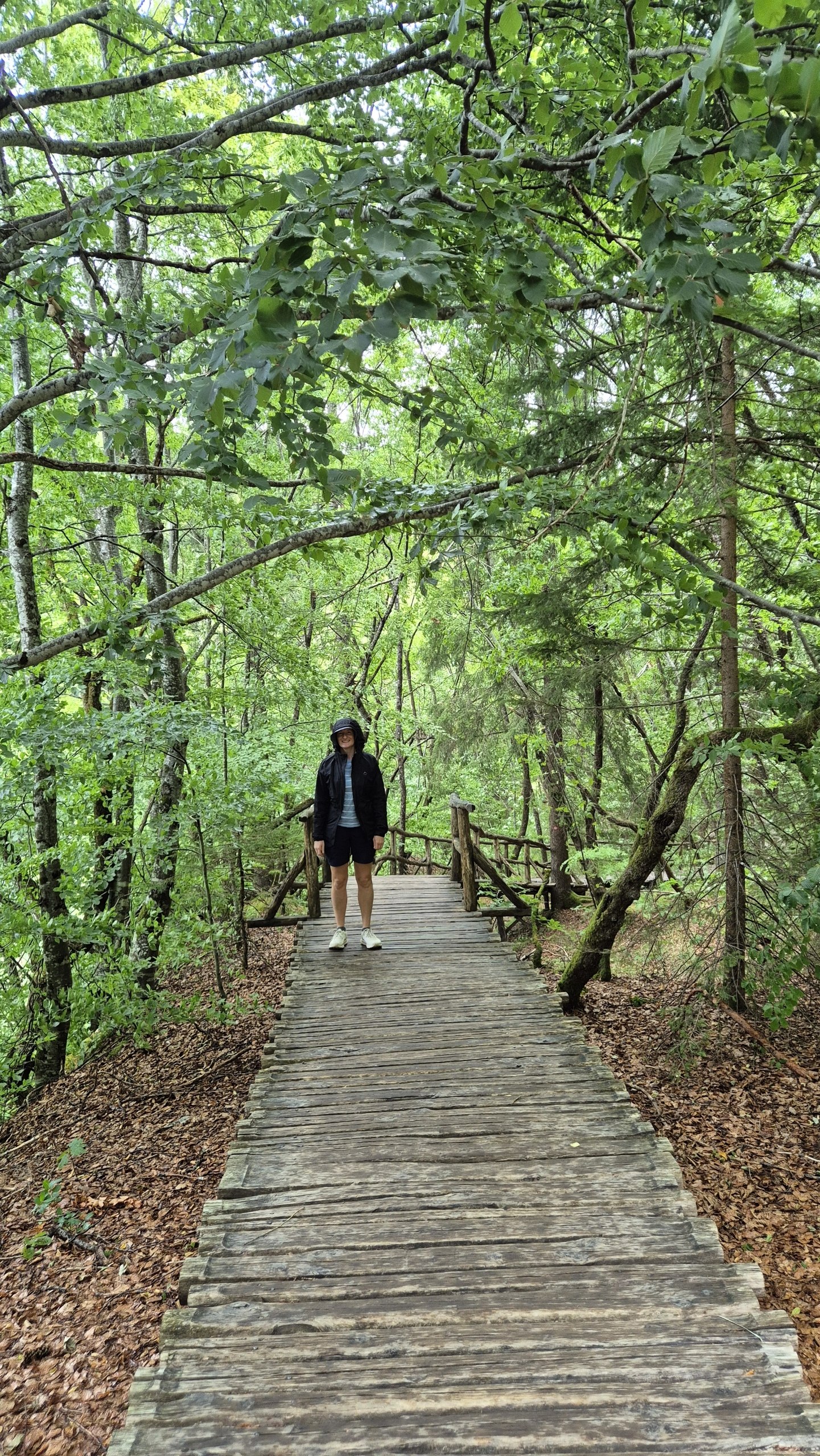
The full loop was about nine kilometres and took us through both the Lower and Upper Lakes. It also included the electric boat across Lake Kozjak and the panoramic road train back towards the entrance.
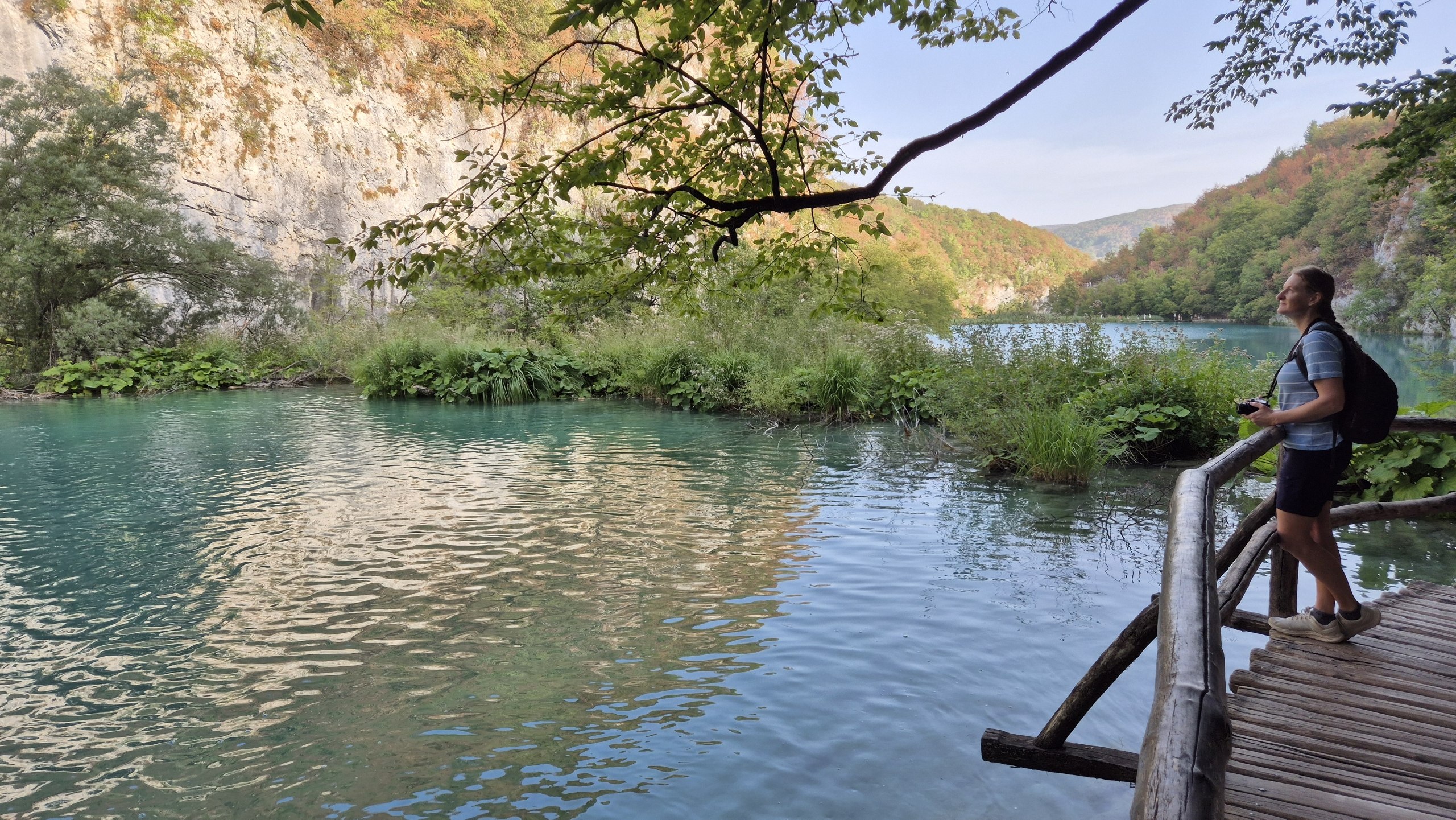
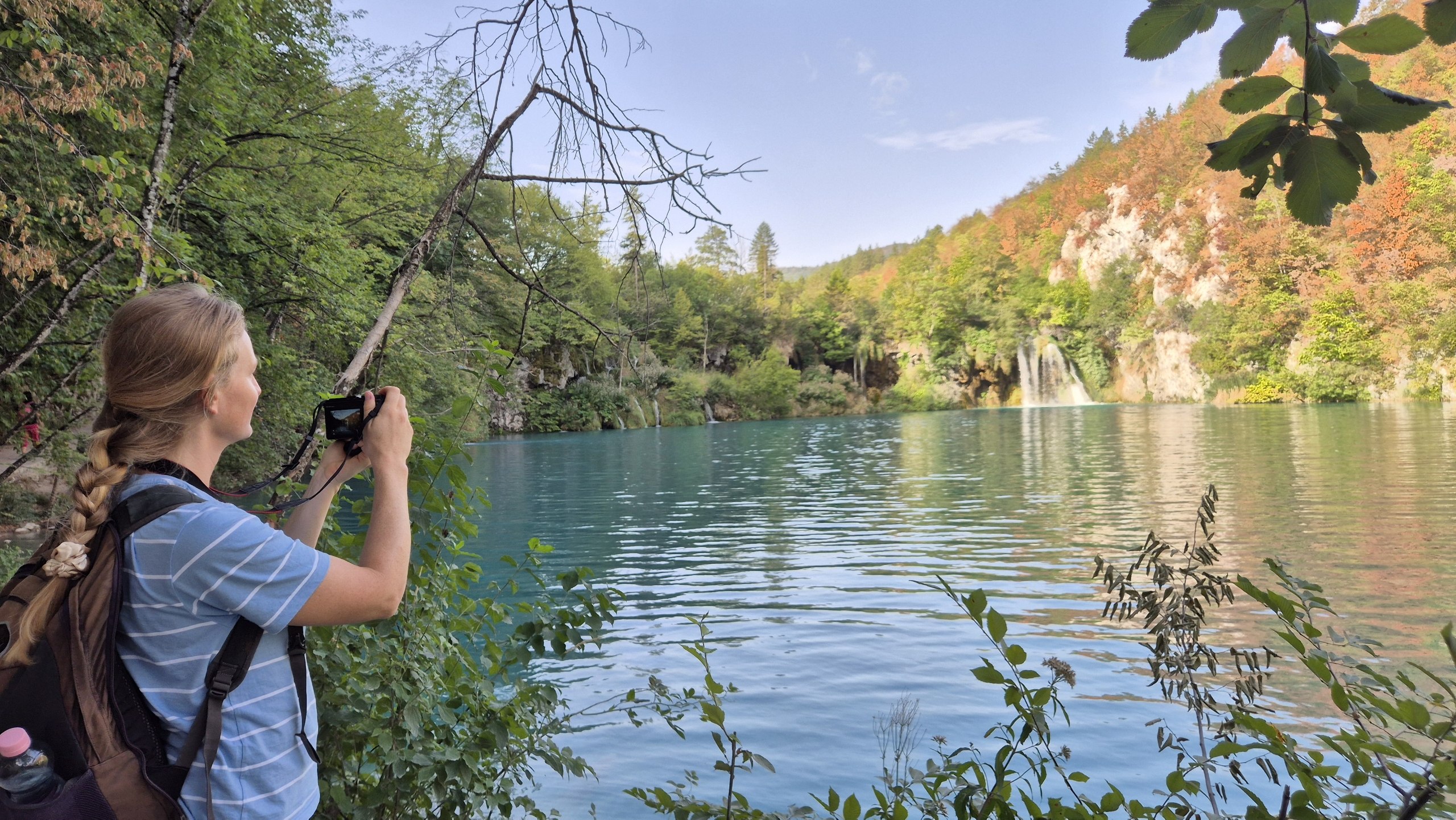
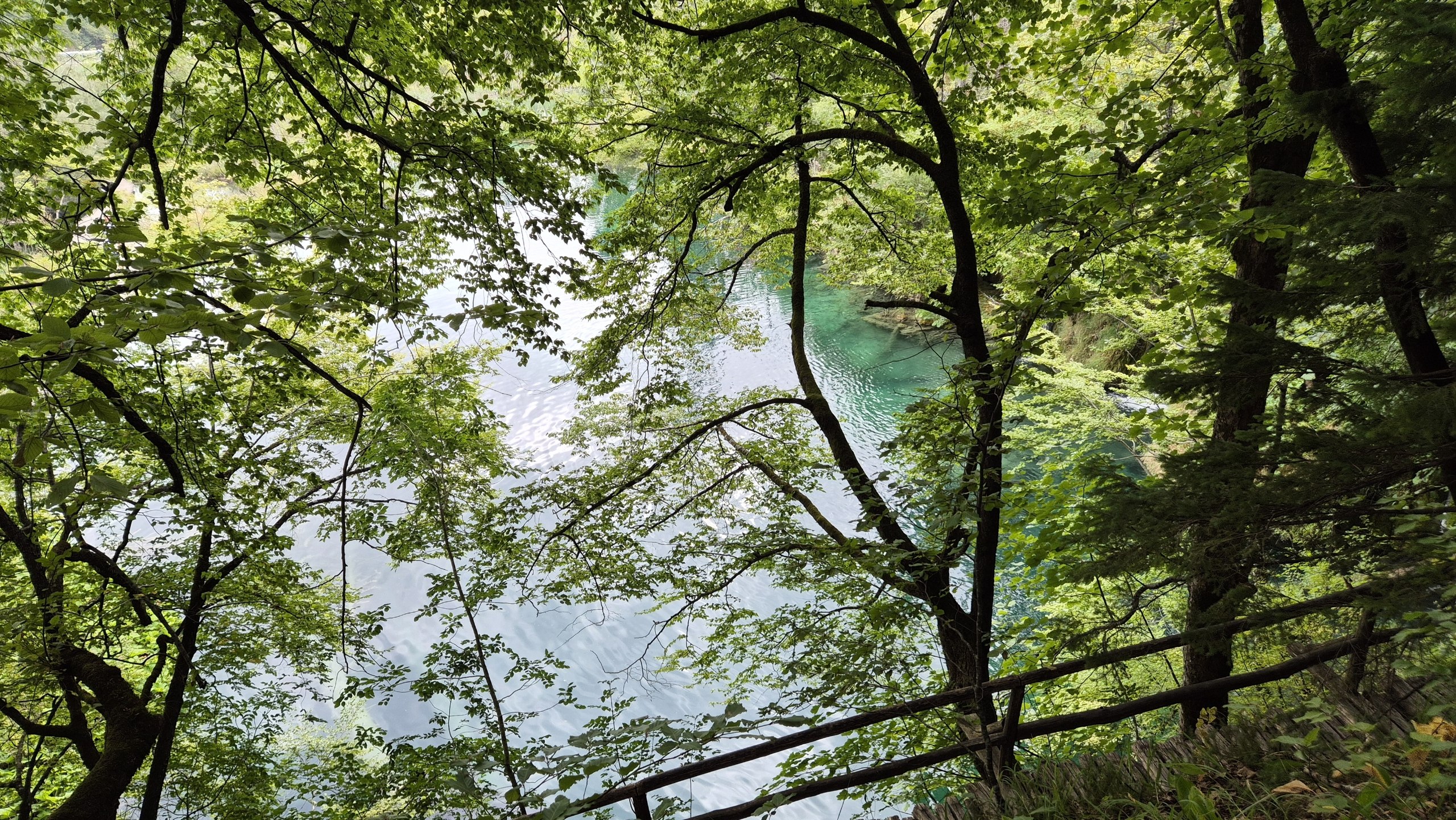
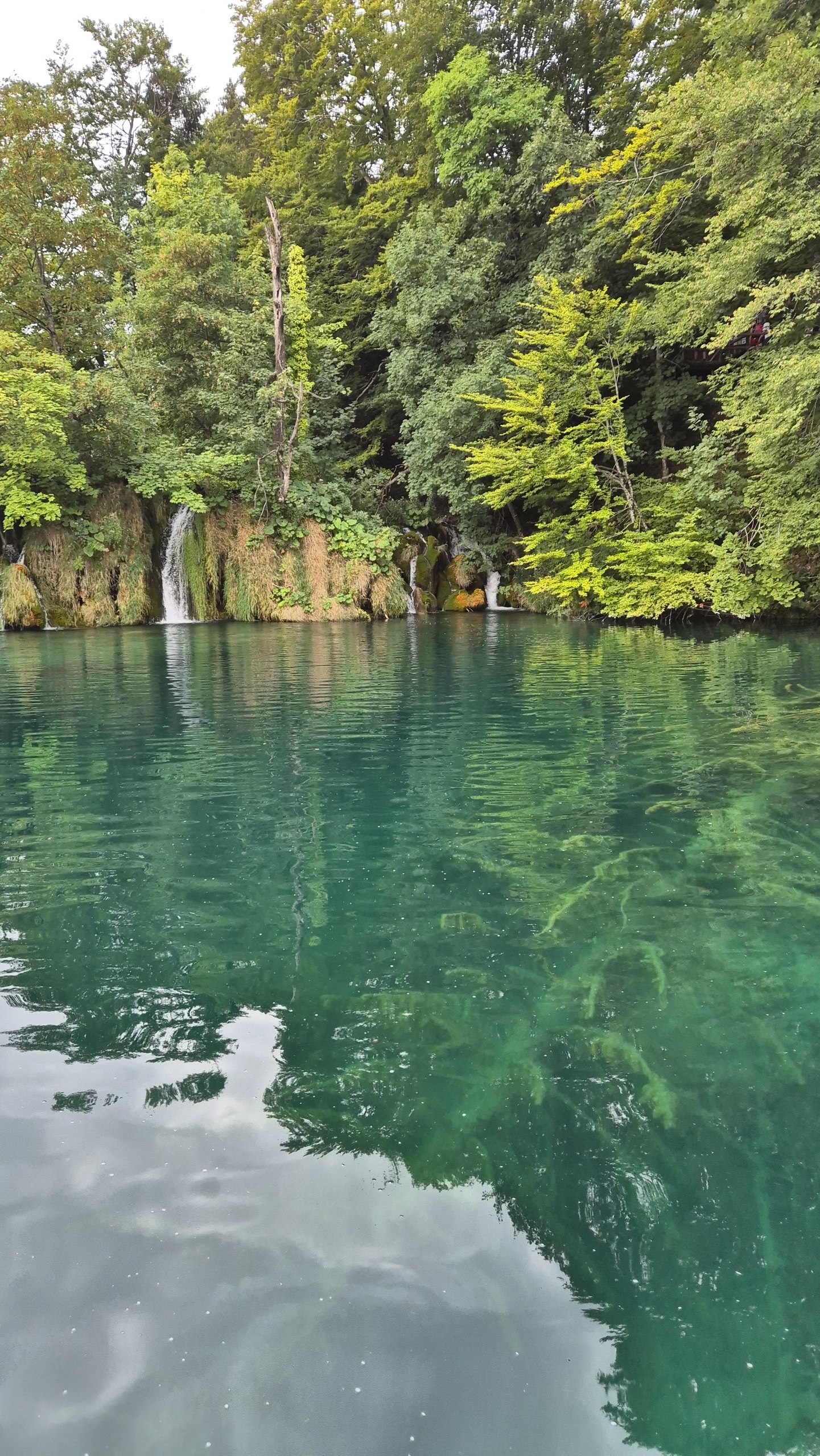
The weather turned out to be almost perfect: cool enough for walking, with patches of sunlight breaking through the clouds and changing the water from deep green to bright turquoise. At about 10:00 there was a five-minute downpour, with thunder somewhere in the distance. Then the sun came out again.
It was another reminder that weather forecasts are useful, but there is a limit to how much of a trip can be planned into submission.
By 13:00 we were back at the car park. Luckily, our room five kilometres away was already ready for check-in. After the hike, we were very glad that we no longer had to drive all the way to Zadar that afternoon. Moving the Plitvice ticket had worked out better than expected.
After resting for a while, we walked down to the Korana. It was the same river flowing out of the lakes and waterfalls, yet here the riverbed was completely dry. The explanation lies in the area’s karst geology: downstream from its source, the Korana flows over highly permeable limestone and begins losing water into underground channels. In dry summer conditions the surface river can disappear completely and remain dry for kilometres before becoming permanent again farther downstream.
It was strange to stand on bare stones only five kilometres from all that water. The changed plan also left Sunday free for more sightseeing on the way to Zadar, instead of arriving there late and tired after the hike.
Plitvice in motion:
Leave A Comment