
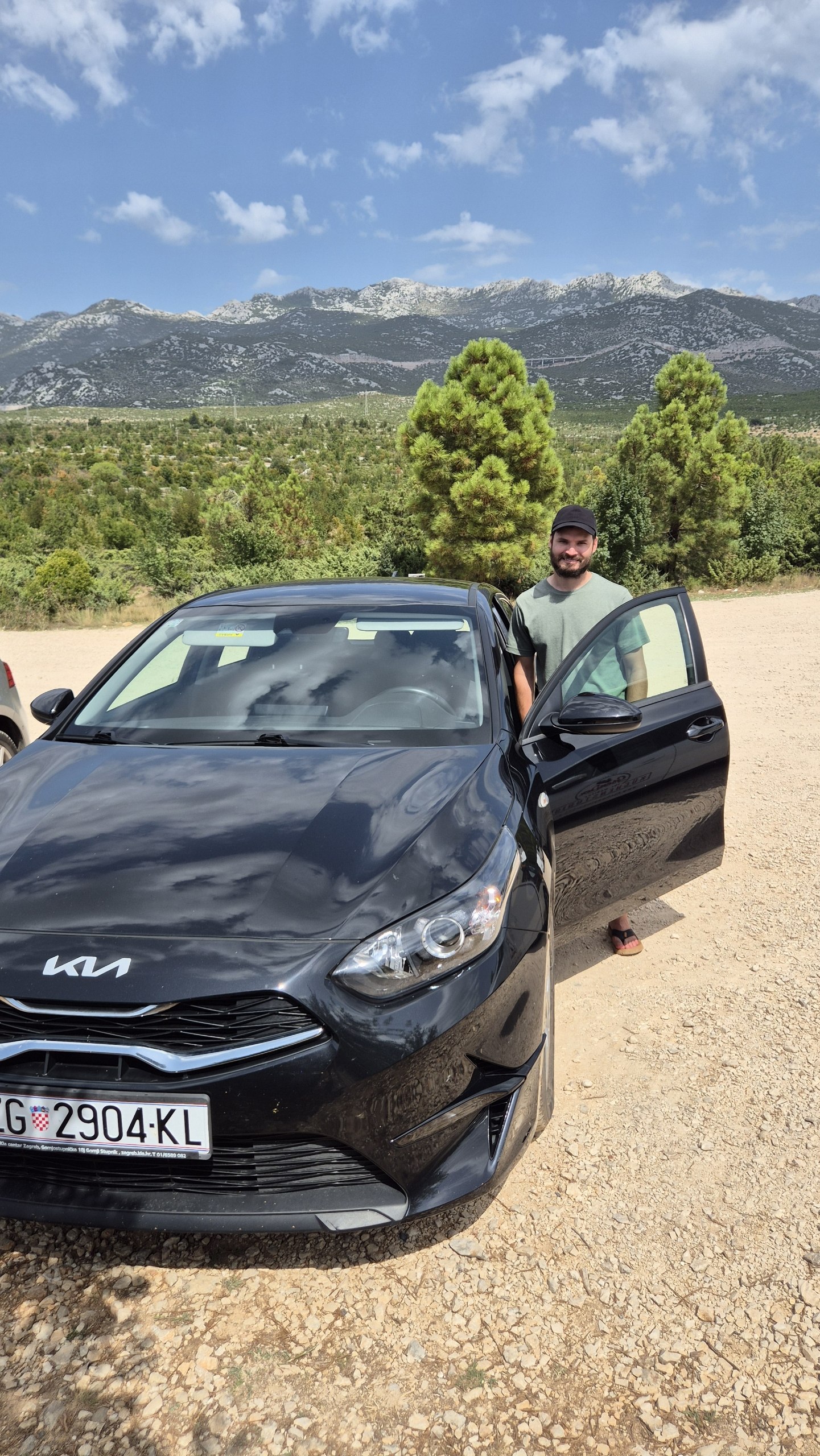
We moved through our usual morning routine—coffee, a makeshift breakfast and packing—faster than normal, and were on the road just after 09:00.
Fifteen minutes later, Hugo asked, “Did you see the passports after we lugged them around the park with us?”
We pulled over beside the road and searched through our things, but could not find them. Rather than risk carrying on, we decided to drive back and check the room.
In the end, the passports had been in Hugo’s laptop bag all along. He had simply been looking like a man.
With the passports definitely accounted for, we set off again.
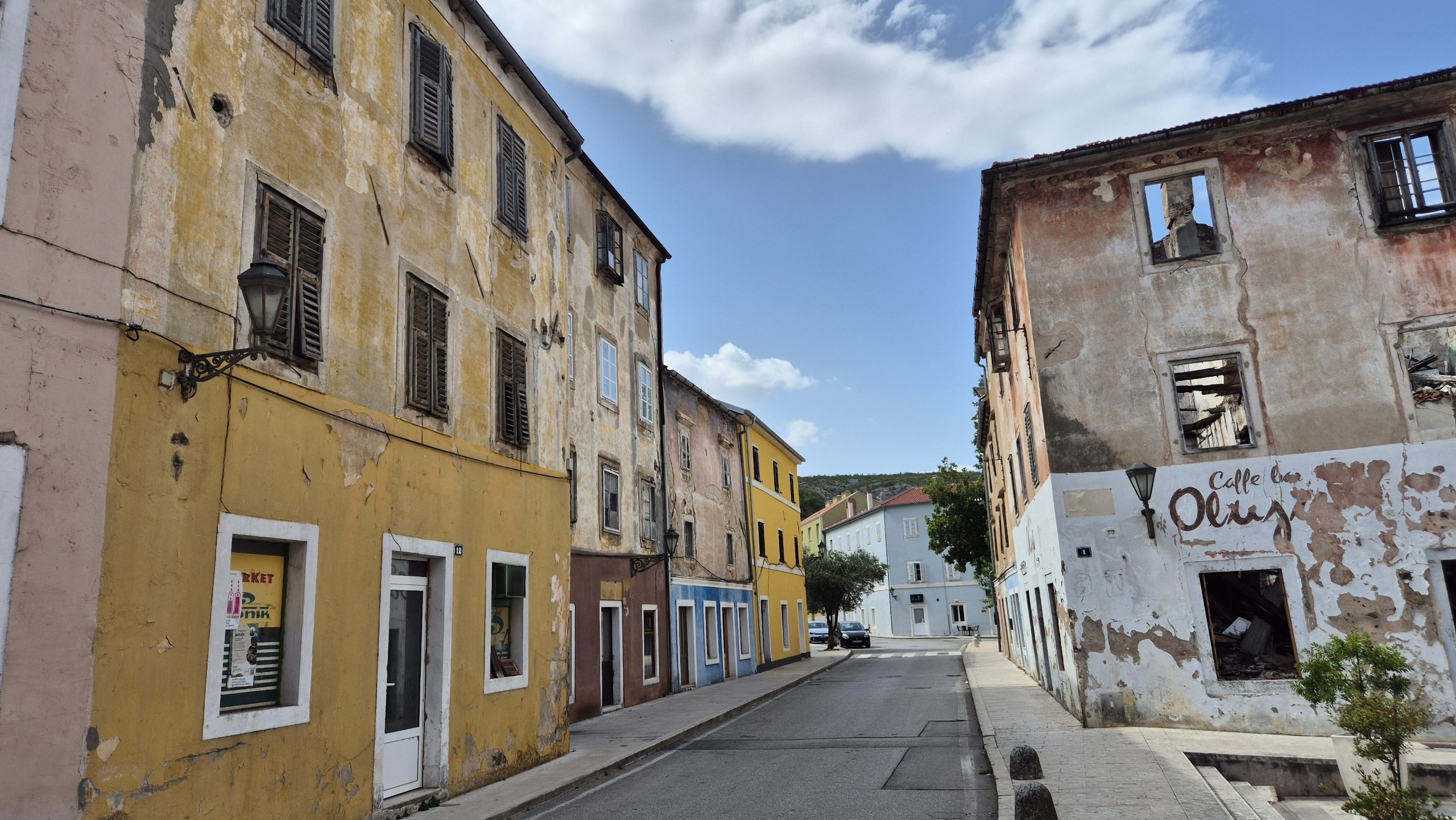
Our first stop was Obrovac, where we had pizza for brunch. The cicadas were already loudly announcing just how hot the day was becoming.
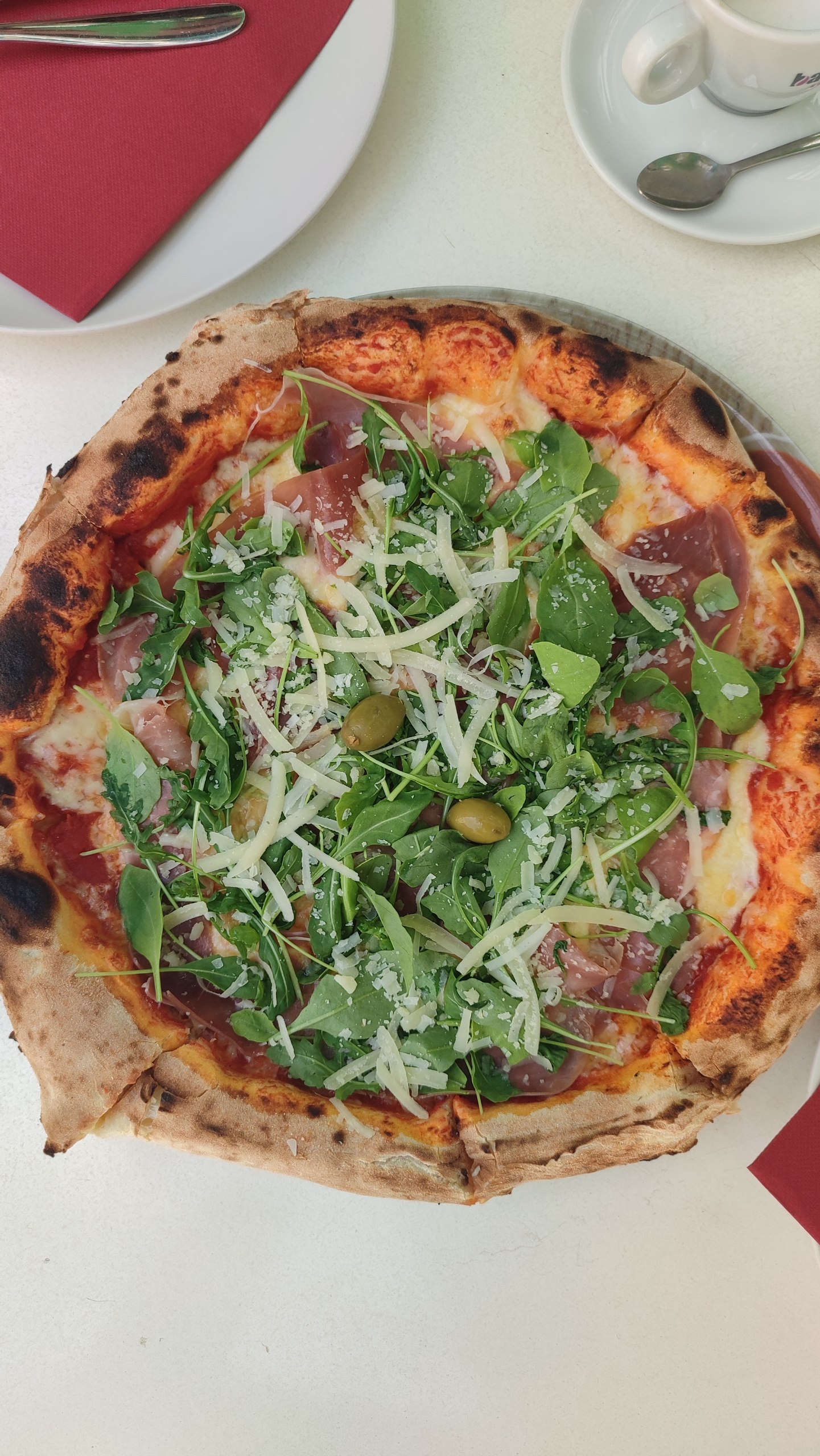
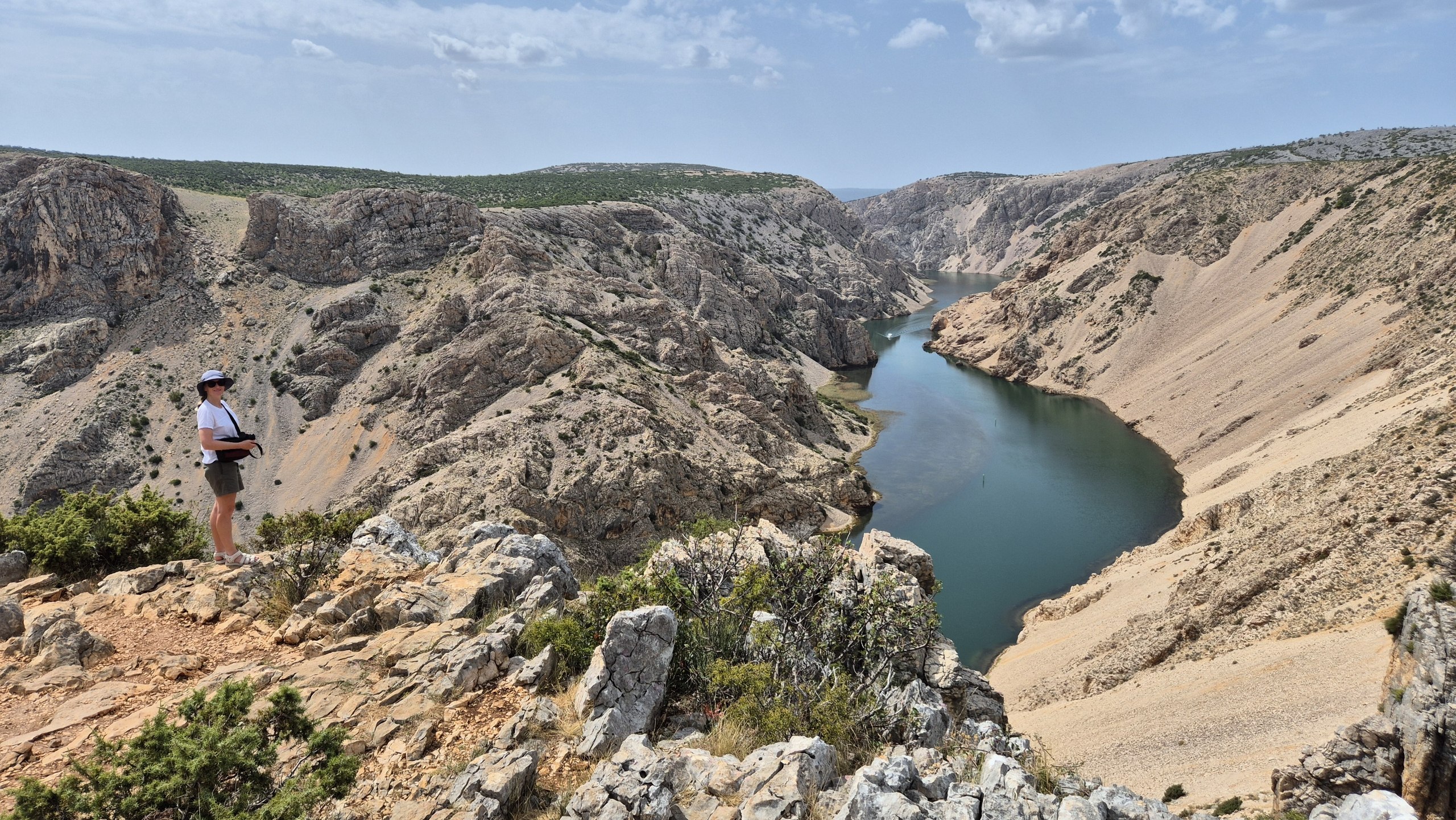
A few kilometres farther on, we stopped at the Kanjon Zrmanje viewpoint. The Zrmanja runs for 69 kilometres through the limestone landscape before reaching the sea, cutting through several deep canyons along the way. Near Obrovac, the river winds between steep pale cliffs on its way towards the Novigrad Sea.
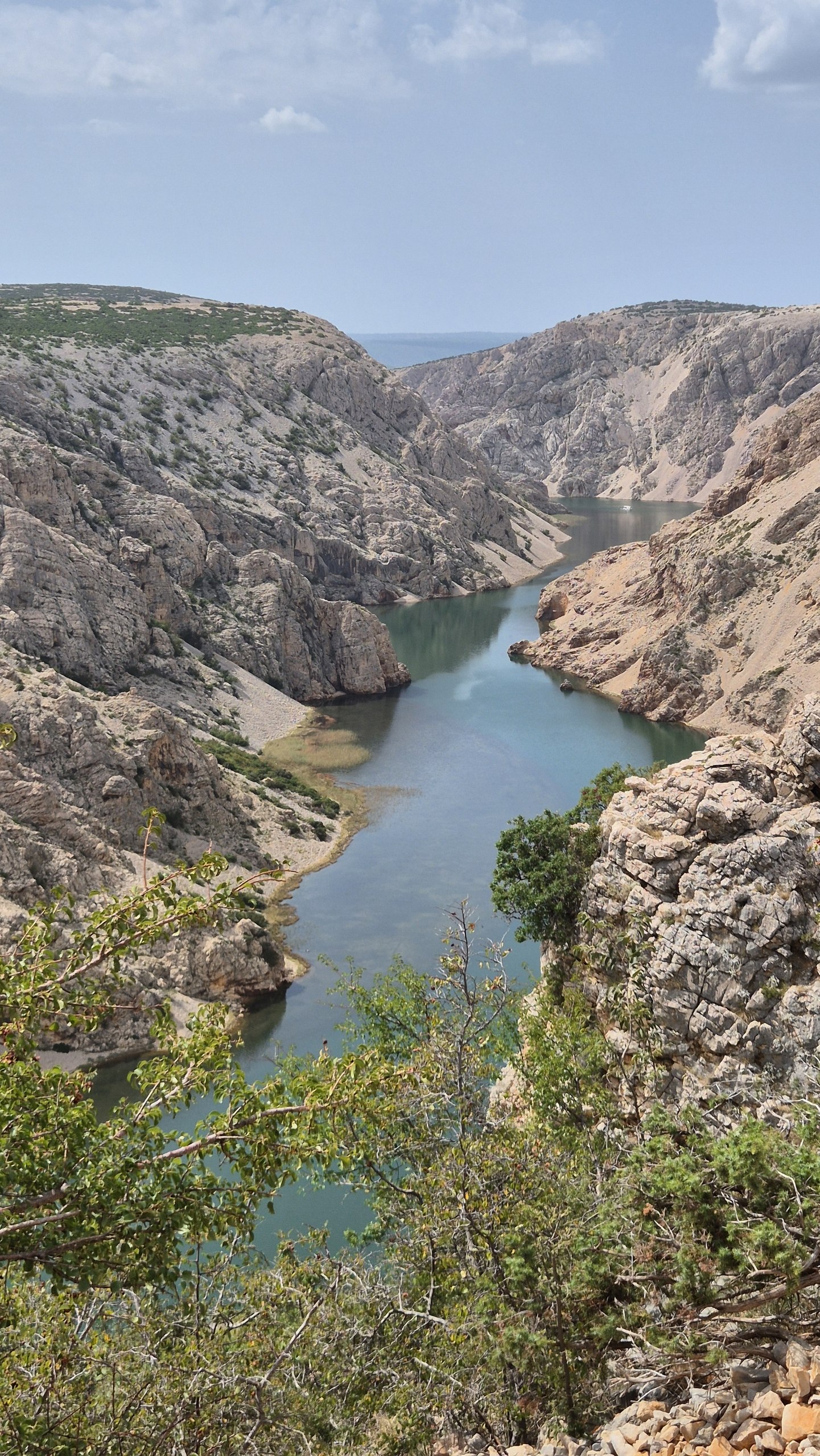
The view was beautiful, but we did not linger in the exposed sun. We jumped back into the car and drove a few more kilometres to the Maslenica Bridge.
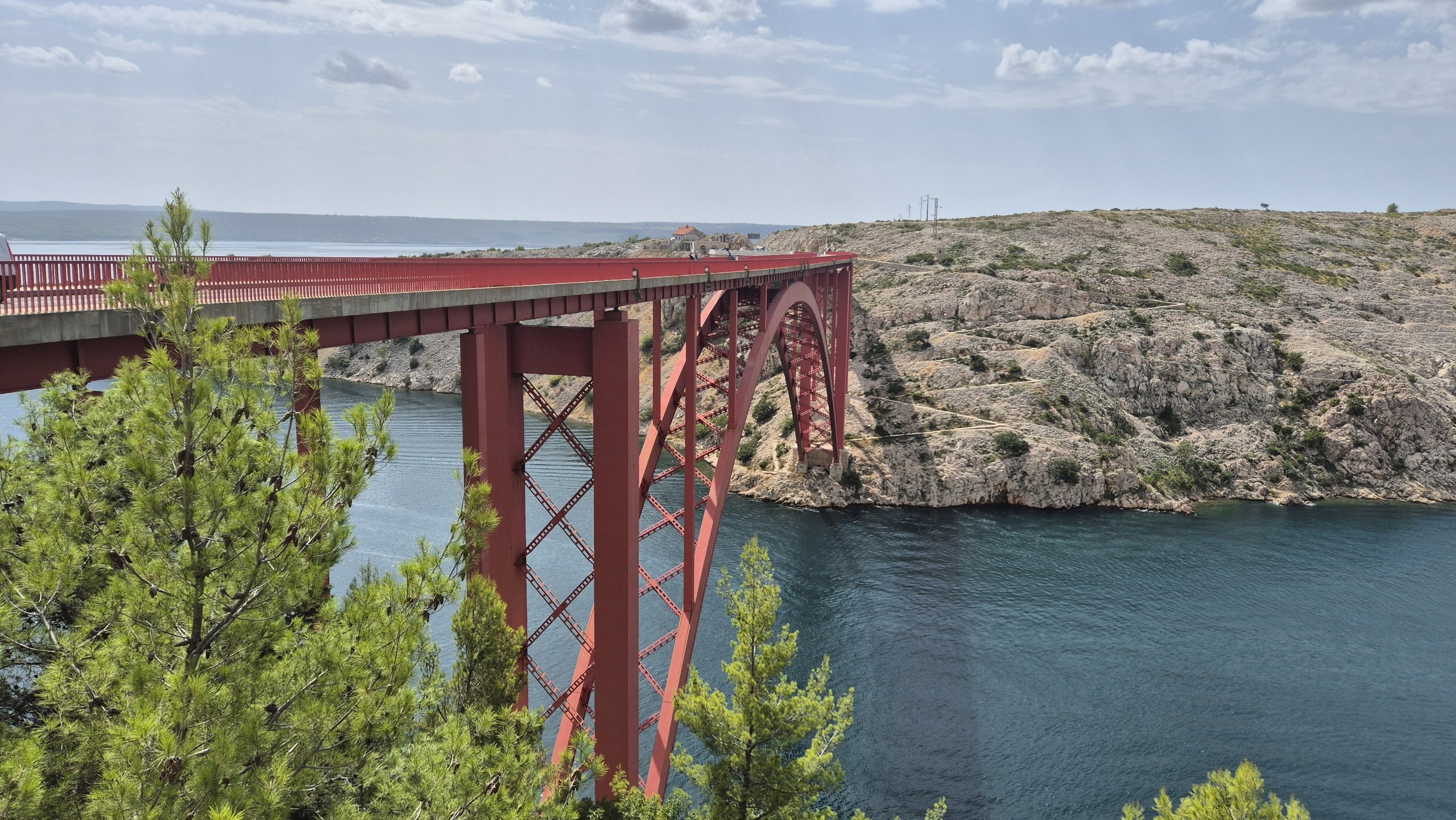
Then it was the final stretch to Zadar.
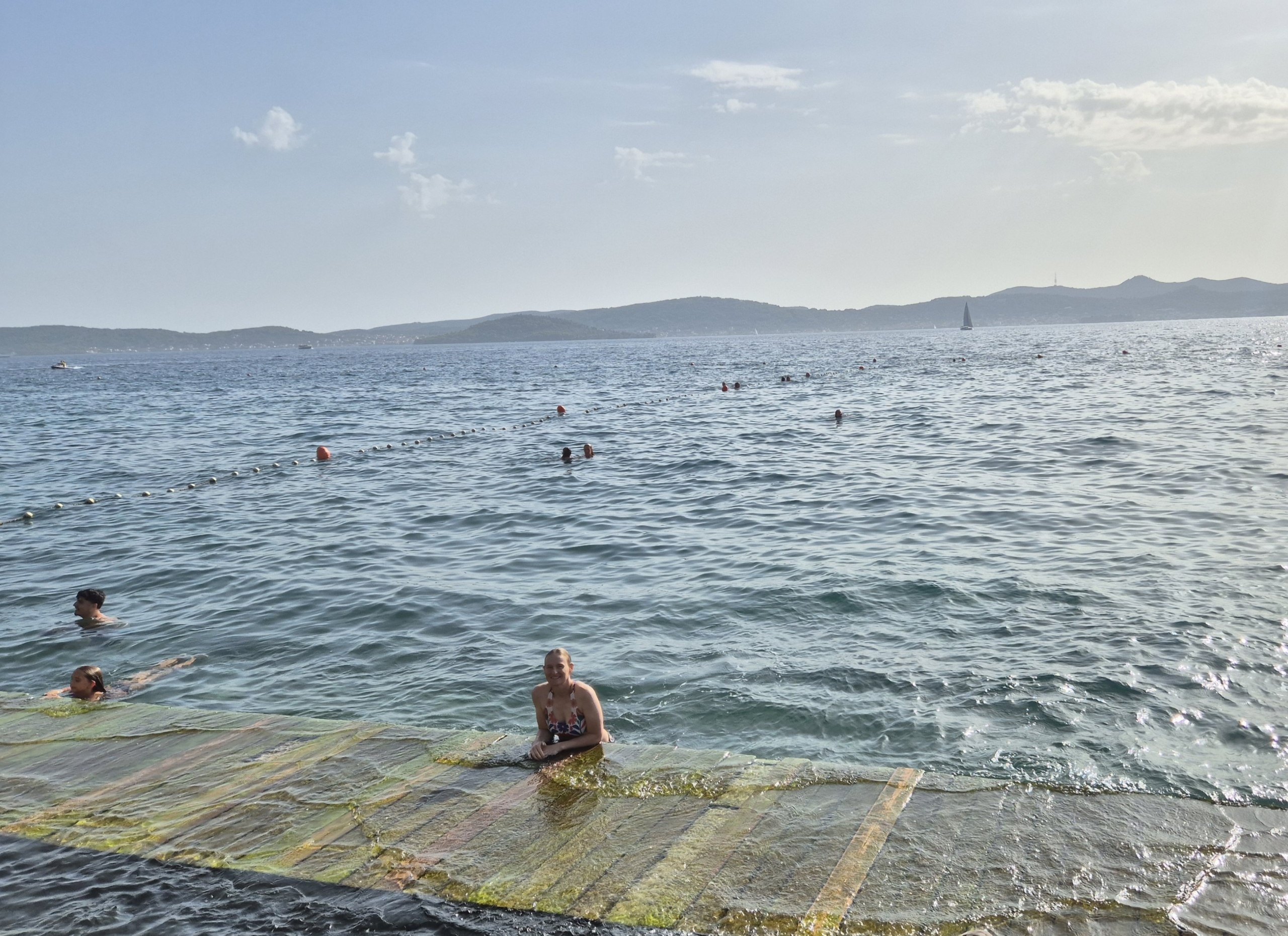
After checking in and having a short nap, we grabbed our swimming things and went in search of the sea. It was not really a beach. There was a concrete swimming-pool-like platform, but we swam beside it in the actual ocean, getting into the water from a cement edge.
It was our first swim together in the Mediterranean—more precisely, in the Adriatic—and the water was perfect. The setting was not especially picturesque for such a significant first, but the swim felt like a small milestone. Sea days were one of the things this trip was meant to include, and after our long inland detour through Germany, Hungary and Slovenia, we had finally reached them. From here onwards, we would be beside the sea almost every day.
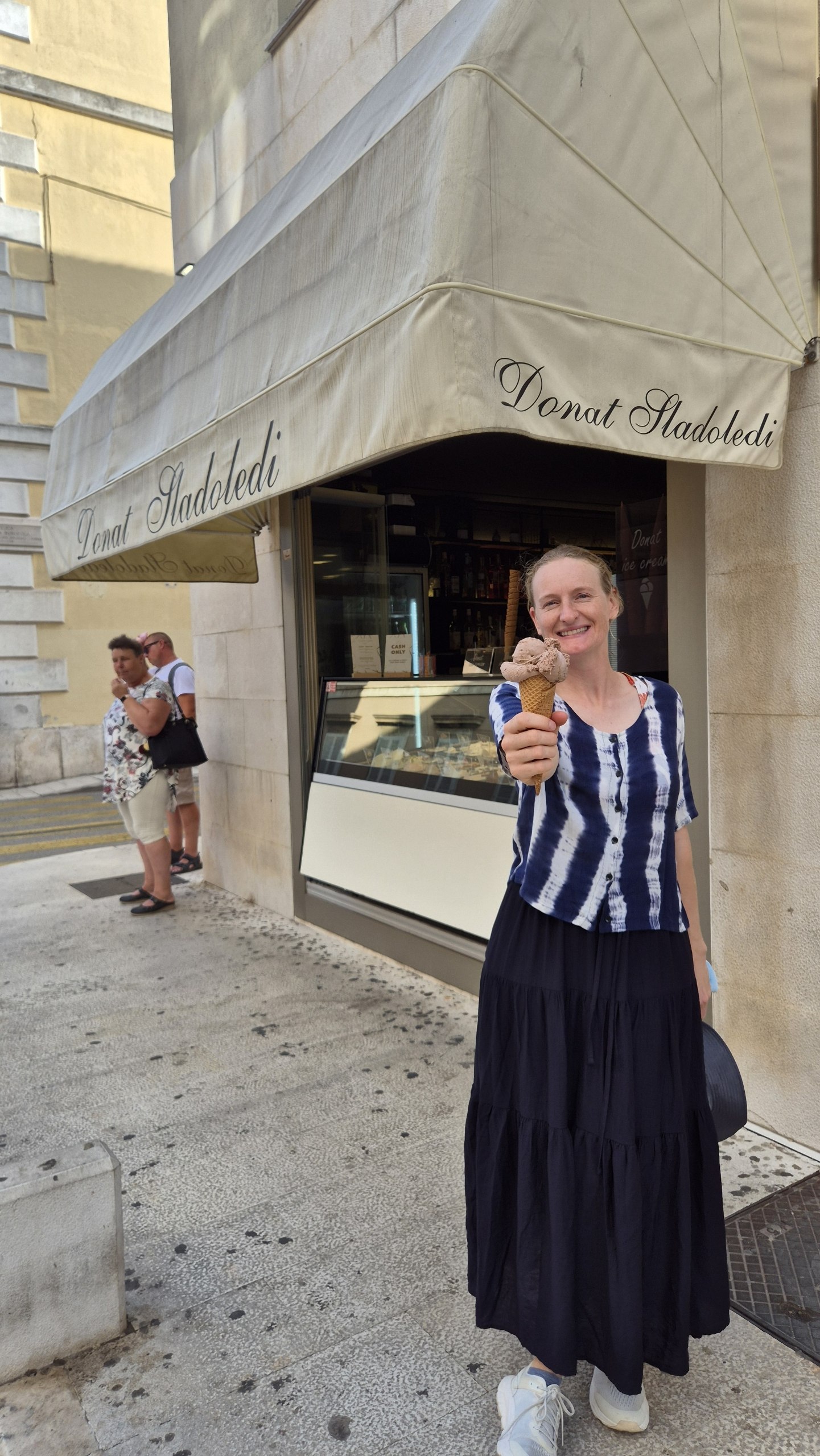
After the swim we headed towards the old town. Before reaching the Roman Forum, we stopped for ice cream and Caro chose Dubai Chocolate flavour.
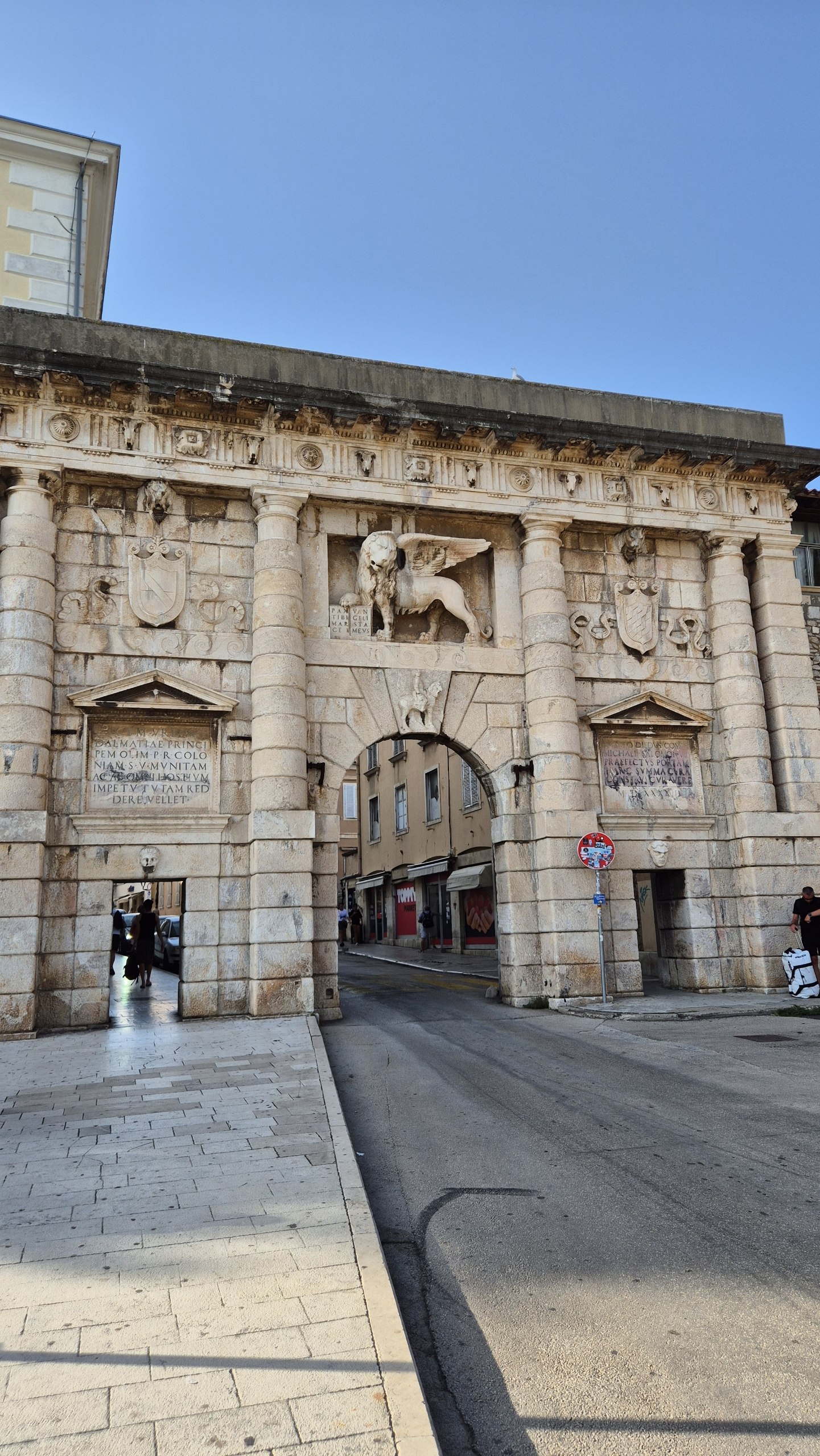
Zadar has been inhabited for around three thousand years. The Romans made it a colony around 27 BC and laid out a rectangular street plan that still shapes the old town today. Roman ruins sit beside medieval churches, Venetian walls and much newer buildings, so the city’s different ages seem to exist on top of one another.
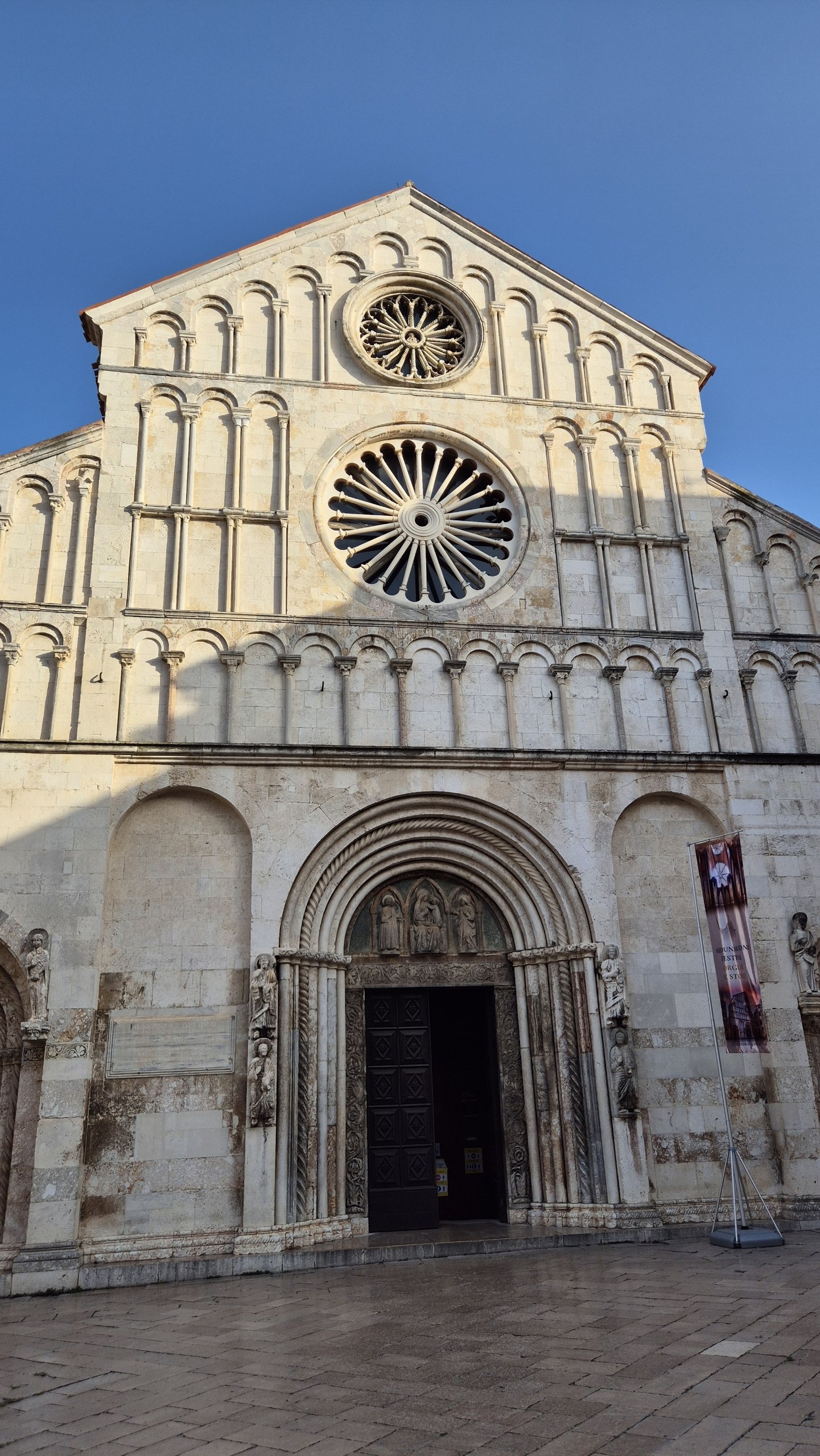
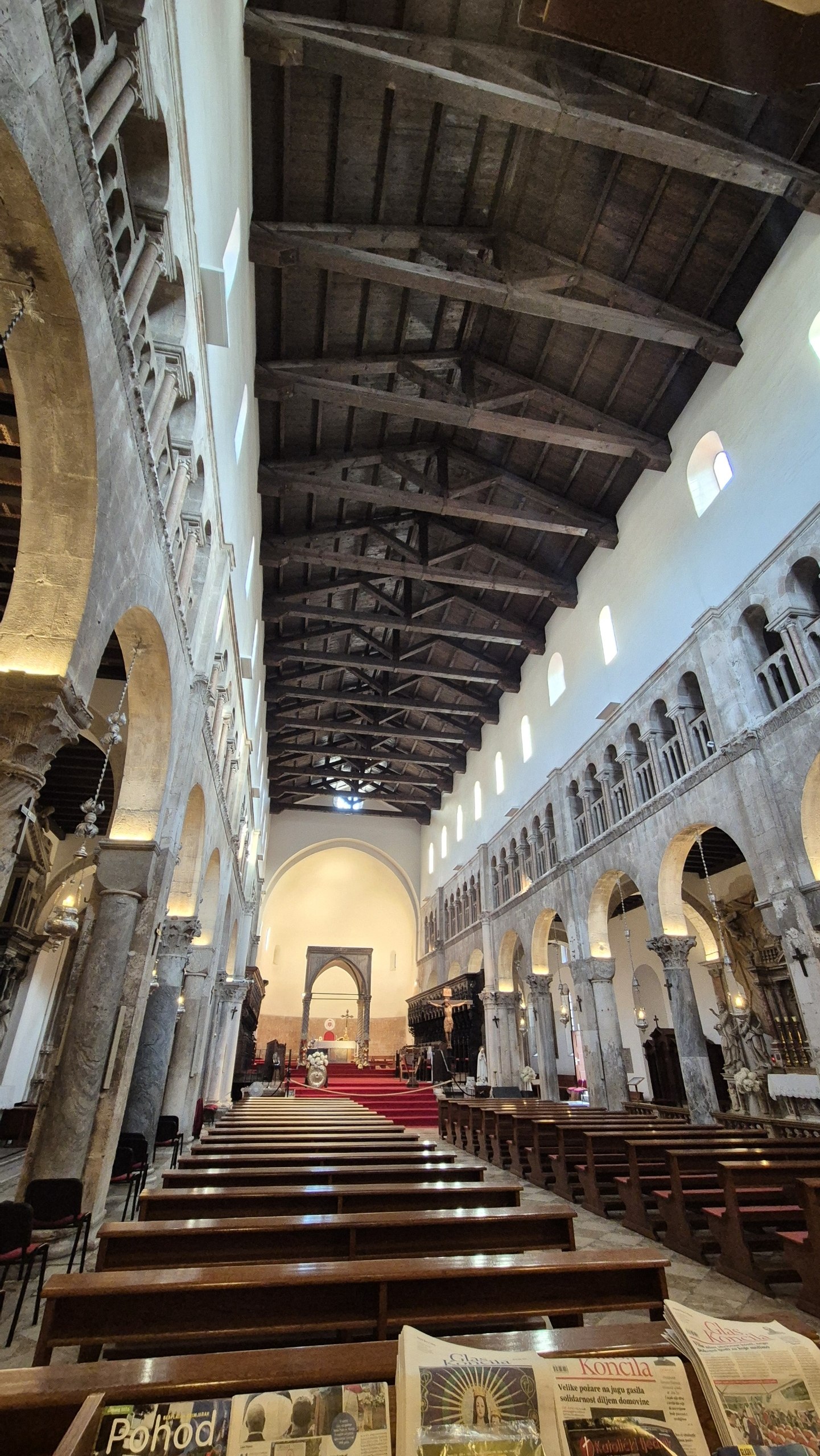
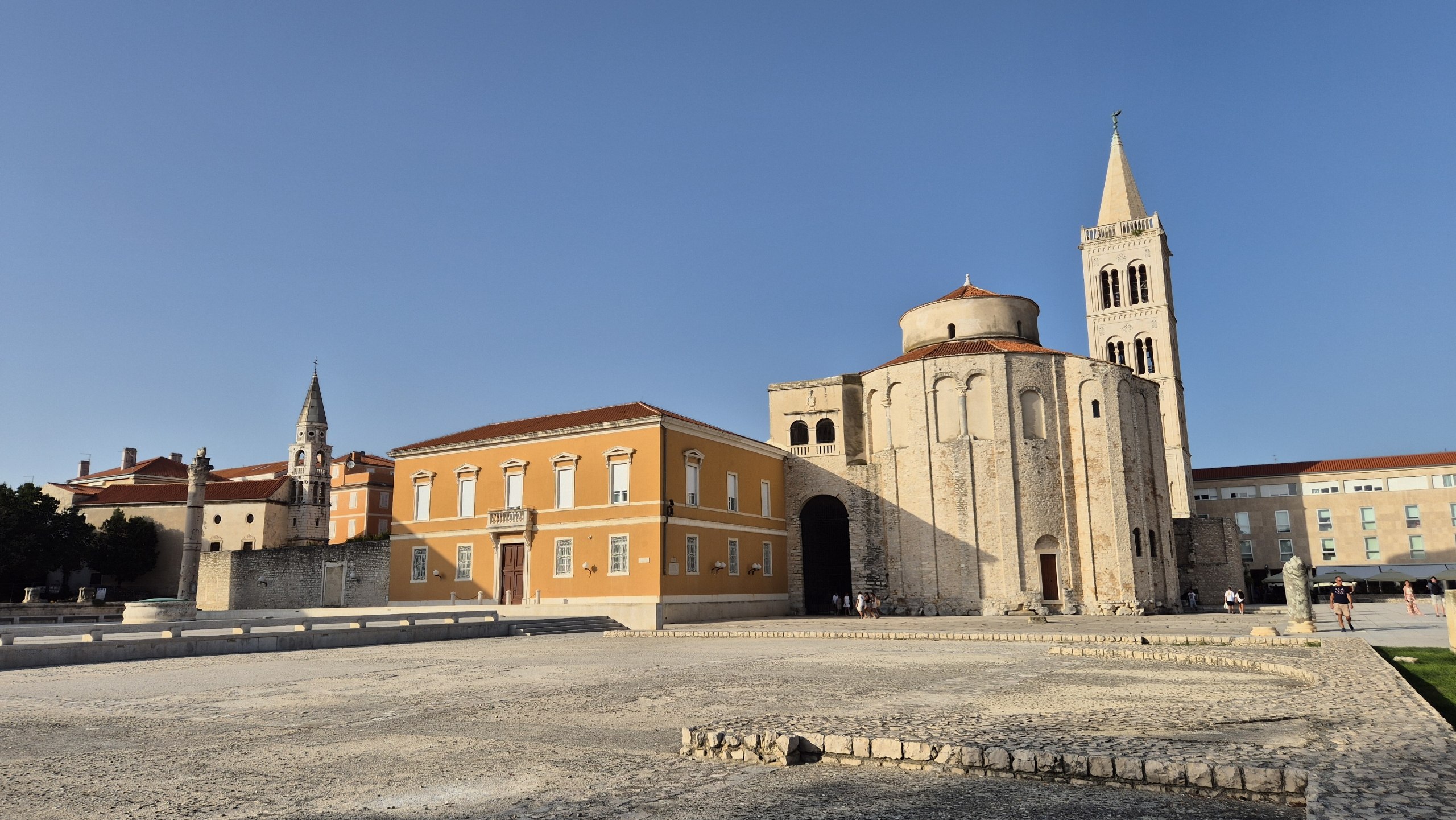
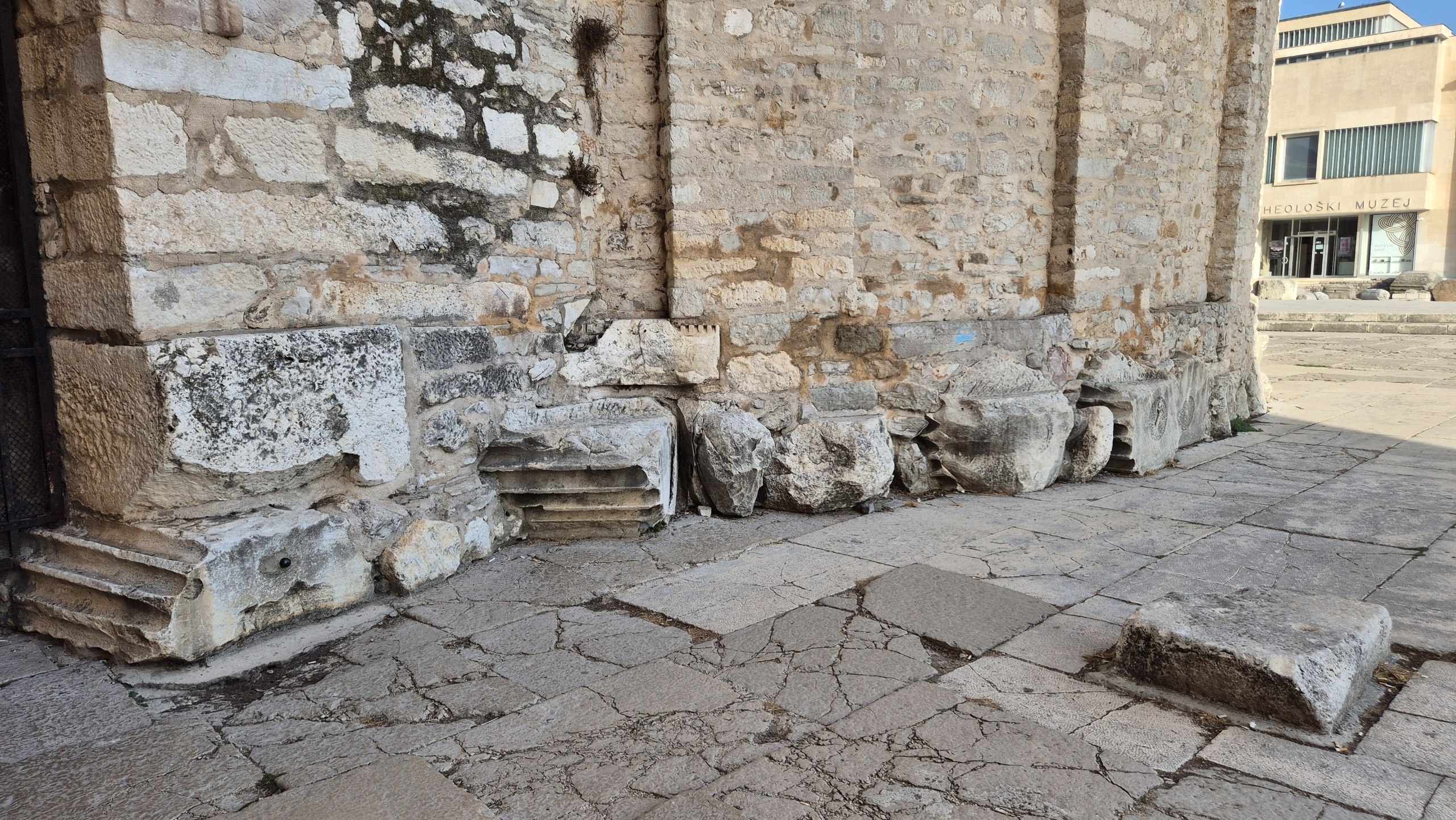
The ninth-century Church of St Donatus stands directly beside the remains of the Roman Forum. Stones scavenged from the Roman buildings were reused in its foundations, and some are still clearly visible. It was strange to stand in front of something so old and realise that even the material used to build it had already lived another life centuries earlier. Someone shaped and placed every one of those stones an almost unimaginable length of time ago.
From there we walked to the Sea Organ. Hidden beneath roughly 70 metres of broad stone steps are 35 pipes of different lengths and sizes. Waves and tides push air through them, turning the movement of the sea into a constantly changing piece of music.
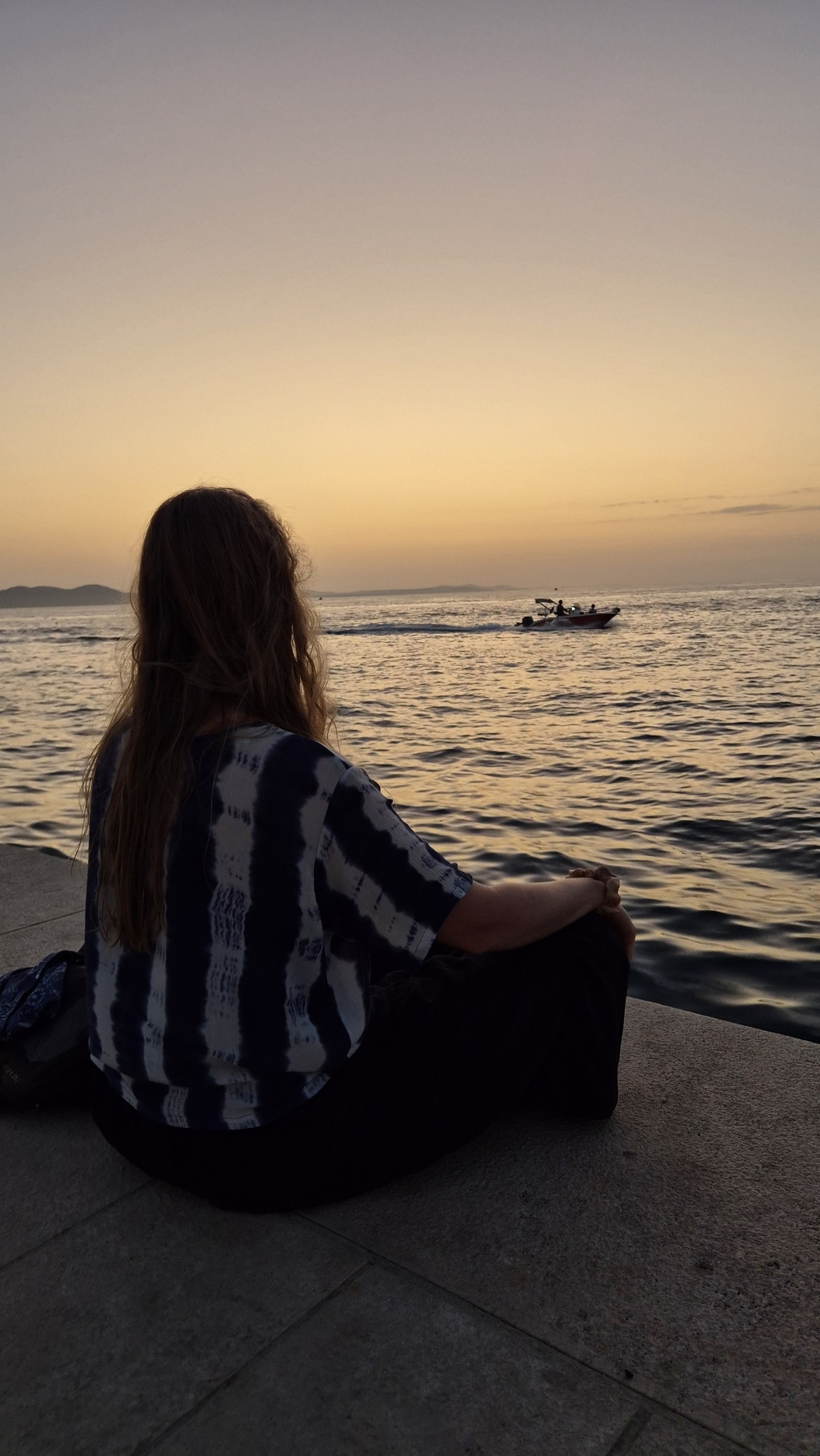
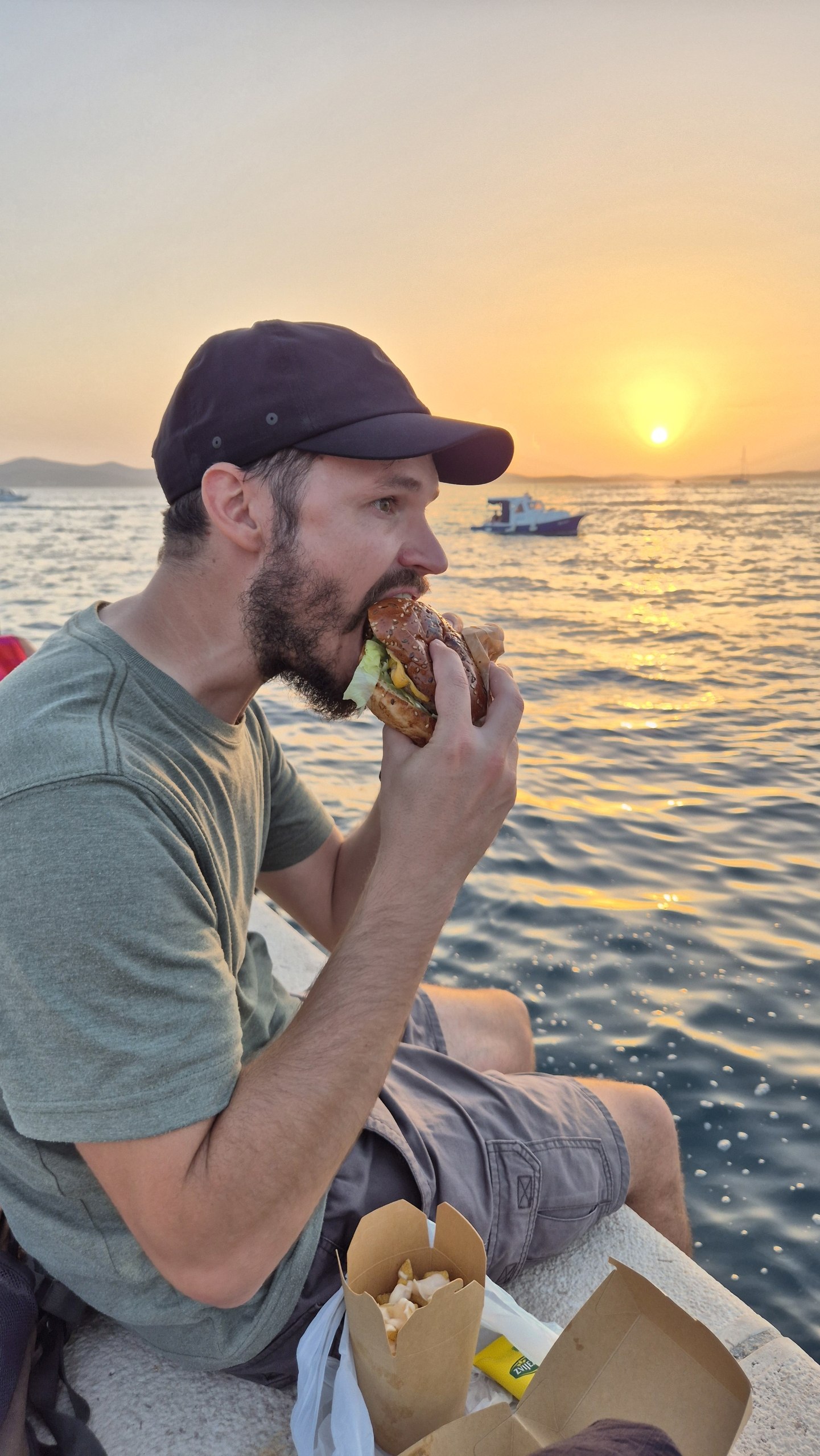
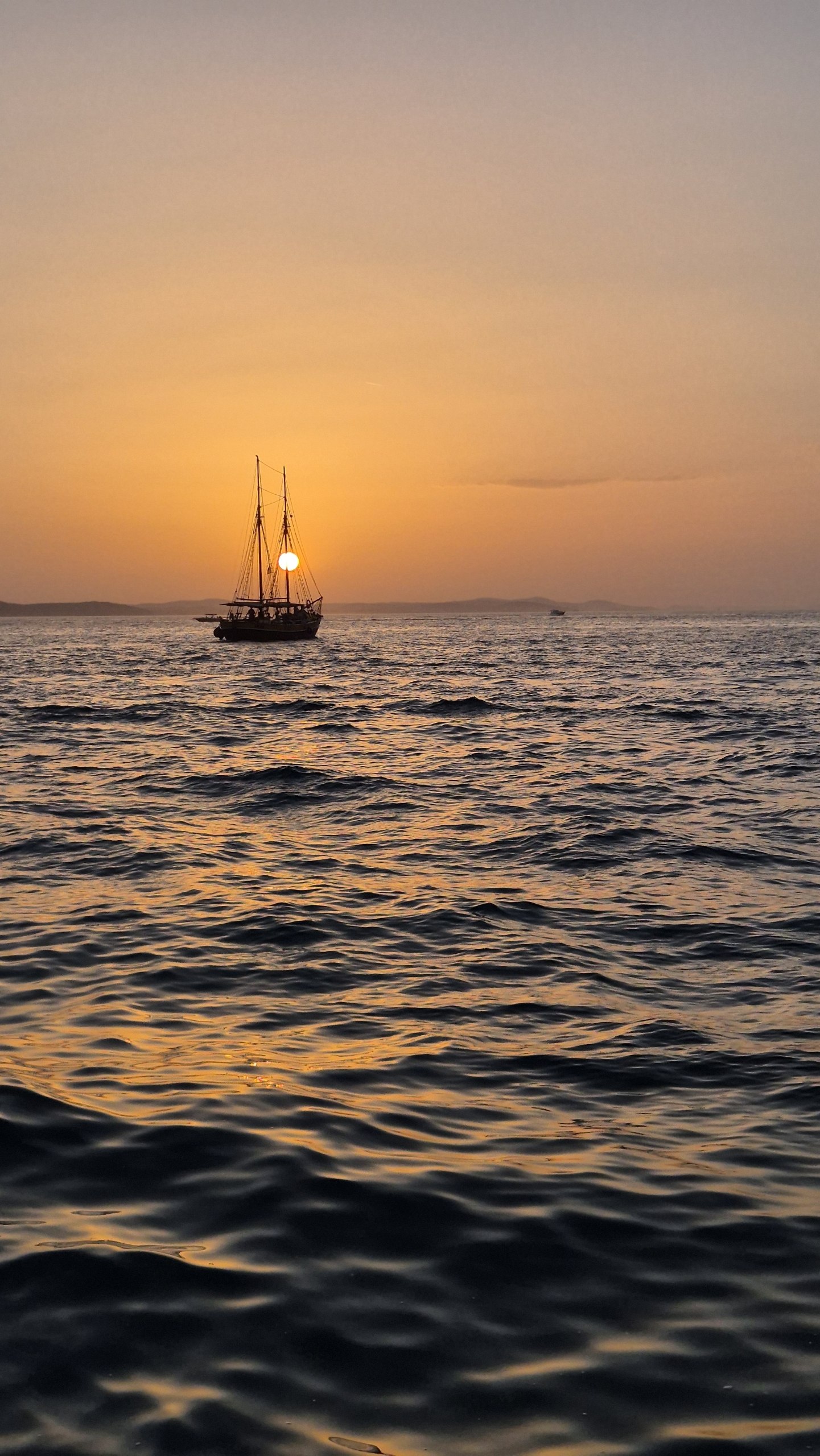
We bought burgers and chips as a takeaway. The takeaway wanted €1 for one small packet of sauce, so instead we went to a shop and bought an entire tube of mayonnaise for €1.89. It made dinner much better and, unlike the tiny packet, came in handy for several days afterwards. We ate on the waterfront while watching the sun set.
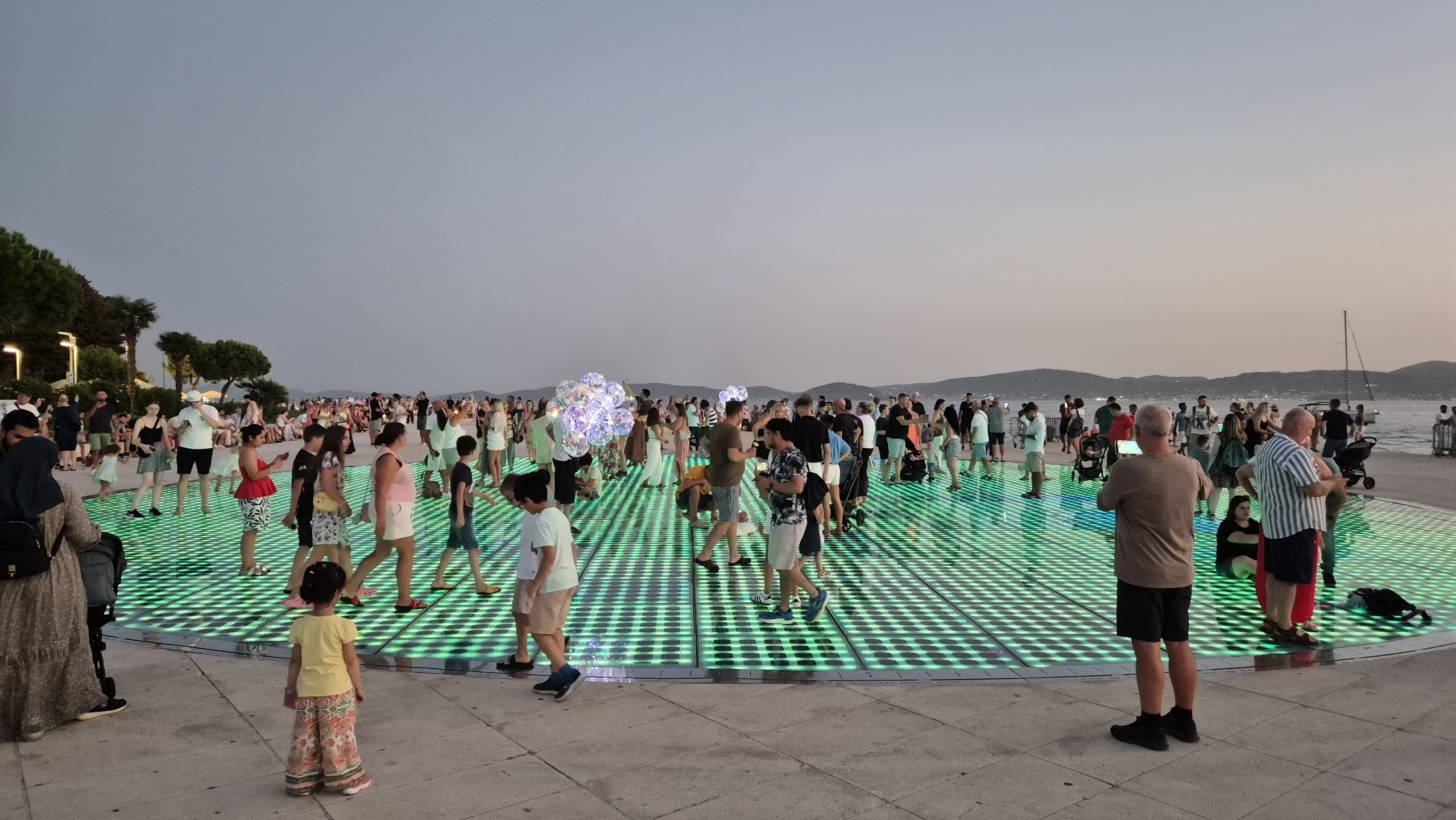
Once darkness arrived, the neighbouring Greeting to the Sun came alive. Its circle of 300 glass solar panels, 22 metres across, collects sunlight during the day and turns it into a shifting display of coloured light at night.
Hugo wanted to try a cocktail made with Zadar’s local Maraschino, the city’s famous liqueur made from marasca sour cherries, so we found a café and ordered one.
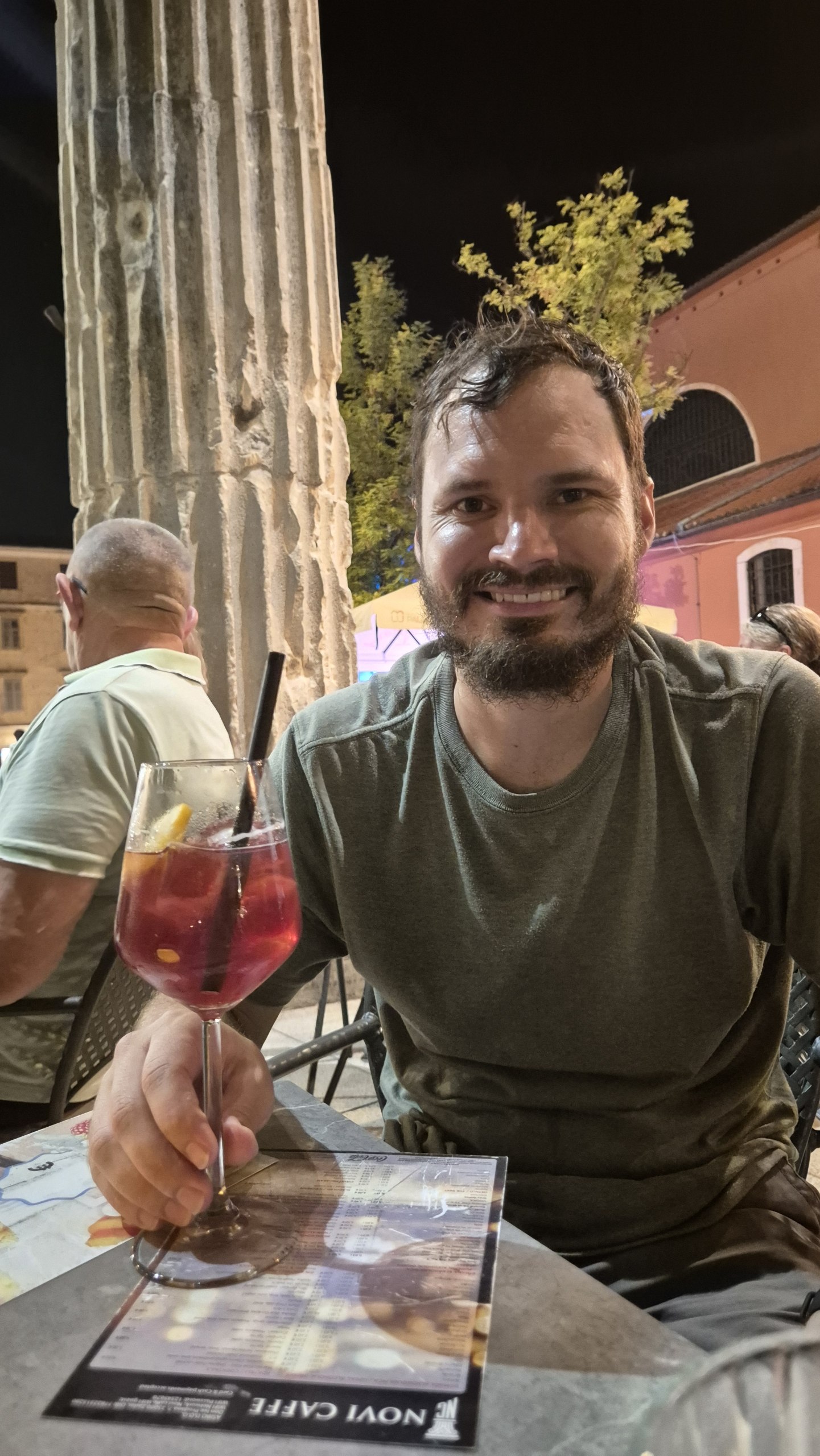
By the time we finished, it was already 21:00 and we still had the 1.2-kilometre walk back to the apartment ahead of us.
Leave A Comment