
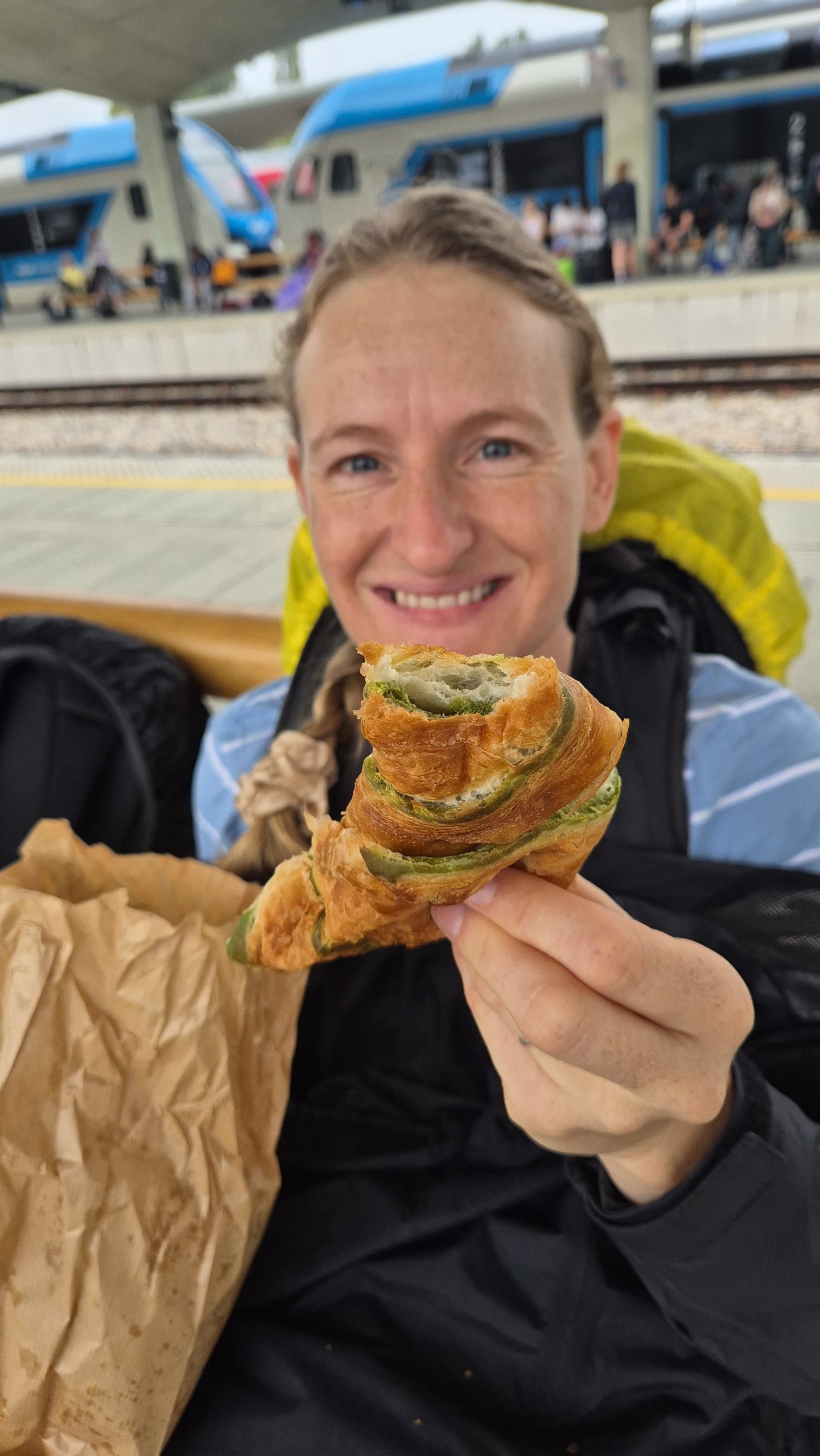
Our ÖBB ticket from Ljubljana to Zagreb was valid for the whole day rather than for one specific train. That sounded flexible, but without seat reservations—and without being completely certain which trains it covered—it mostly made us nervous. There appeared to be only two direct trains anyway, so we aimed for the early one. If it did not work, at least we would still have another option later.
We bought a pistachio croissant beside the bus stop across the Ljubljanica from our accommodation, then caught bus 27 to the station. Ljubljana buses accept contactless bank cards and a one-zone journey cost €1.50. It was raining, so the rain covers went onto the backpacks before we left.
The 08:10 train was not beginning its day in Ljubljana. It was EuroNight EN 40237, which had left Stuttgart at 20:29 the previous evening and was scheduled into Ljubljana at 07:49—already more than eleven hours into its journey. Despite that, it arrived early.
We found the seated carriage, where the old-fashioned compartments still had six seats and a door that closed. We joined two young men, one of whom was still asleep after spending the entire night sitting there.
The route towards Zagreb followed rivers through beautiful green countryside. As we got closer to Croatia, we started chatting to our compartment-mates. They were German brothers who had boarded in Stuttgart and, after almost fourteen hours to Zagreb, were immediately transferring to another train for Split. We would also have liked to travel to Split by train, but had somehow convinced ourselves that the service stopped running at the end of August.
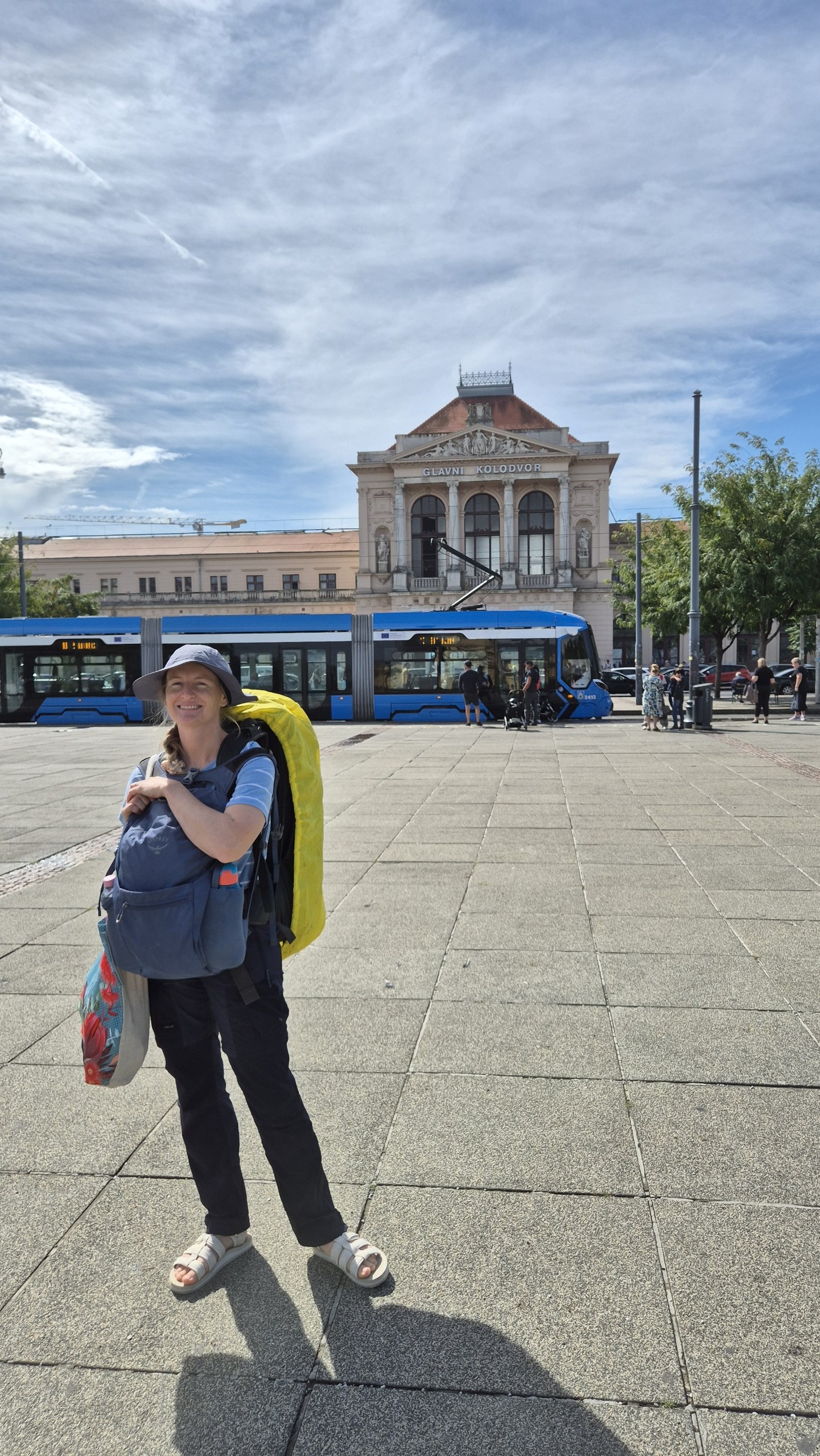
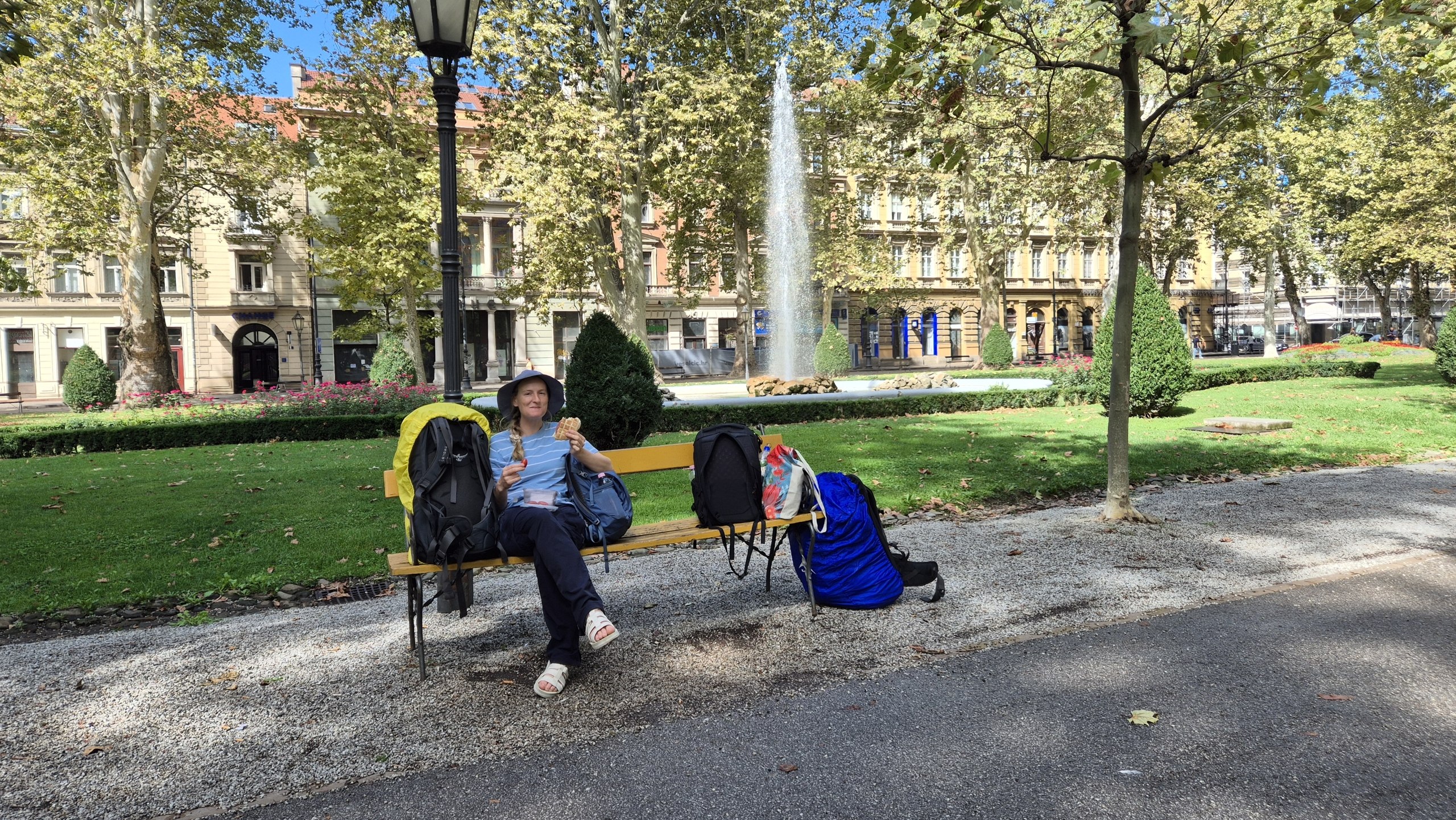
After arriving at Zagreb Glavni kolodvor, we walked slowly through Zrinjevac and ate the sandwiches we had packed for breakfast. Check-in was supposedly only at 16:00, so—as usual—we were trying to manufacture a few hours somewhere between the station and the apartment.
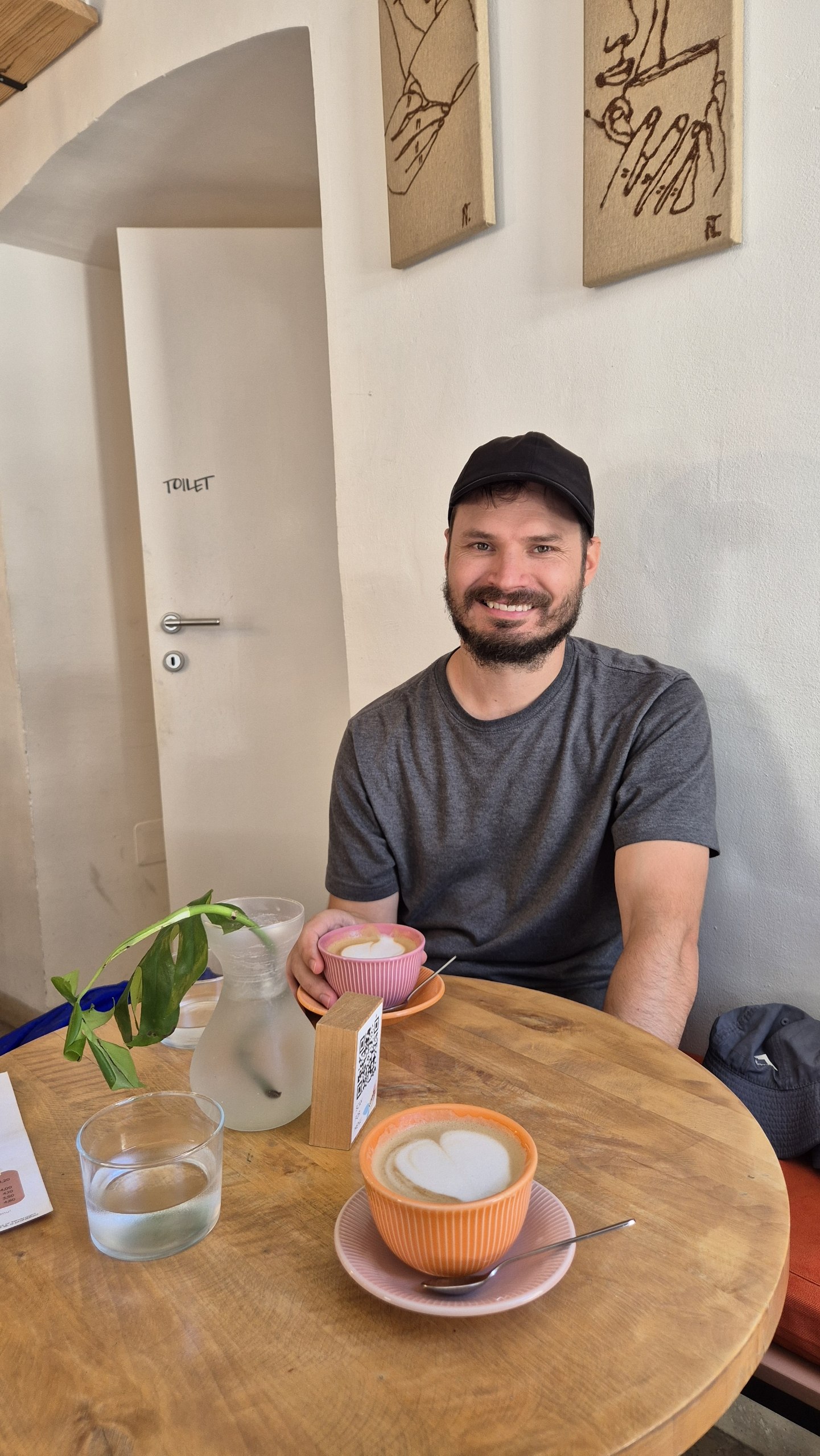
Closer to the cathedral we stopped for coffee at a place where ordinary cow’s milk cost more than the plant alternatives. Caro ordered coconut-and-cashew milk and Hugo chose almond milk. We eventually swapped drinks, although the final verdict was that both of us still preferred cow’s milk.
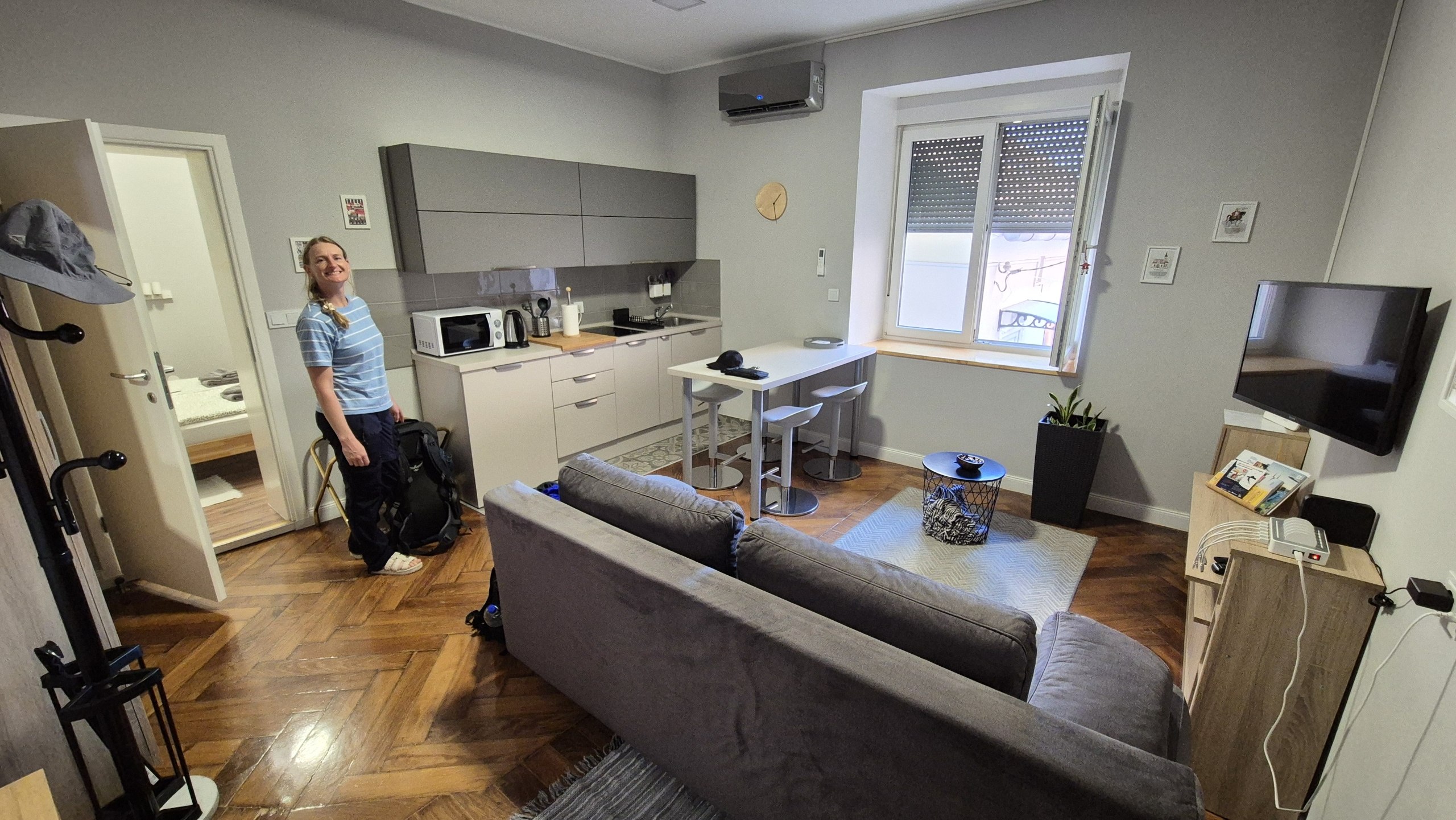
While we were there, the owner messaged to say that the apartment was ready early. We checked in at around 14:00 and found something far better than expected: a spotless, modern apartment, a fridge stocked with free beer and milk, and a bowl filled with good chocolates and toffees. The owner was also exceptionally friendly.
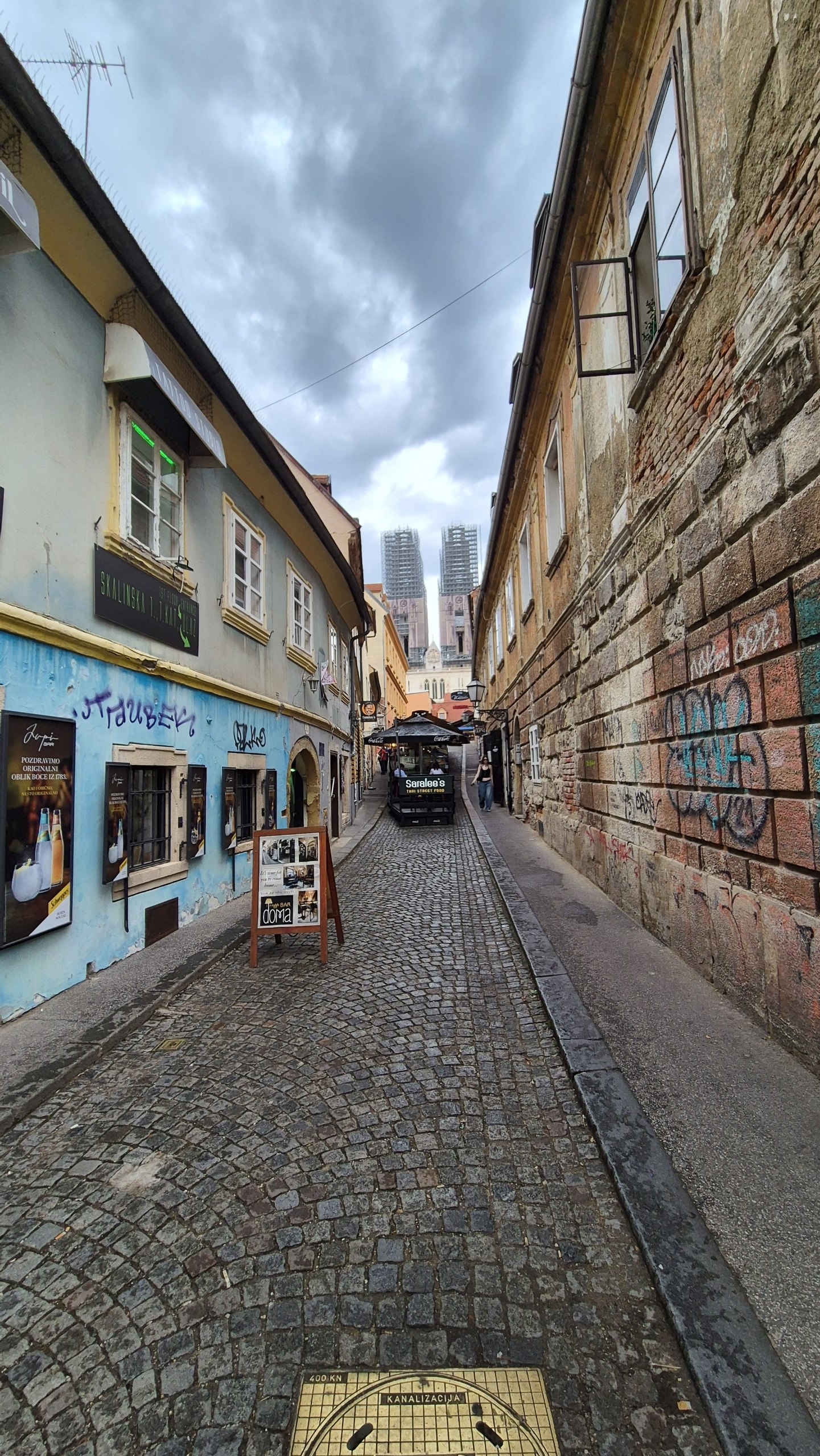
Once settled, we explored the Old Town on foot.
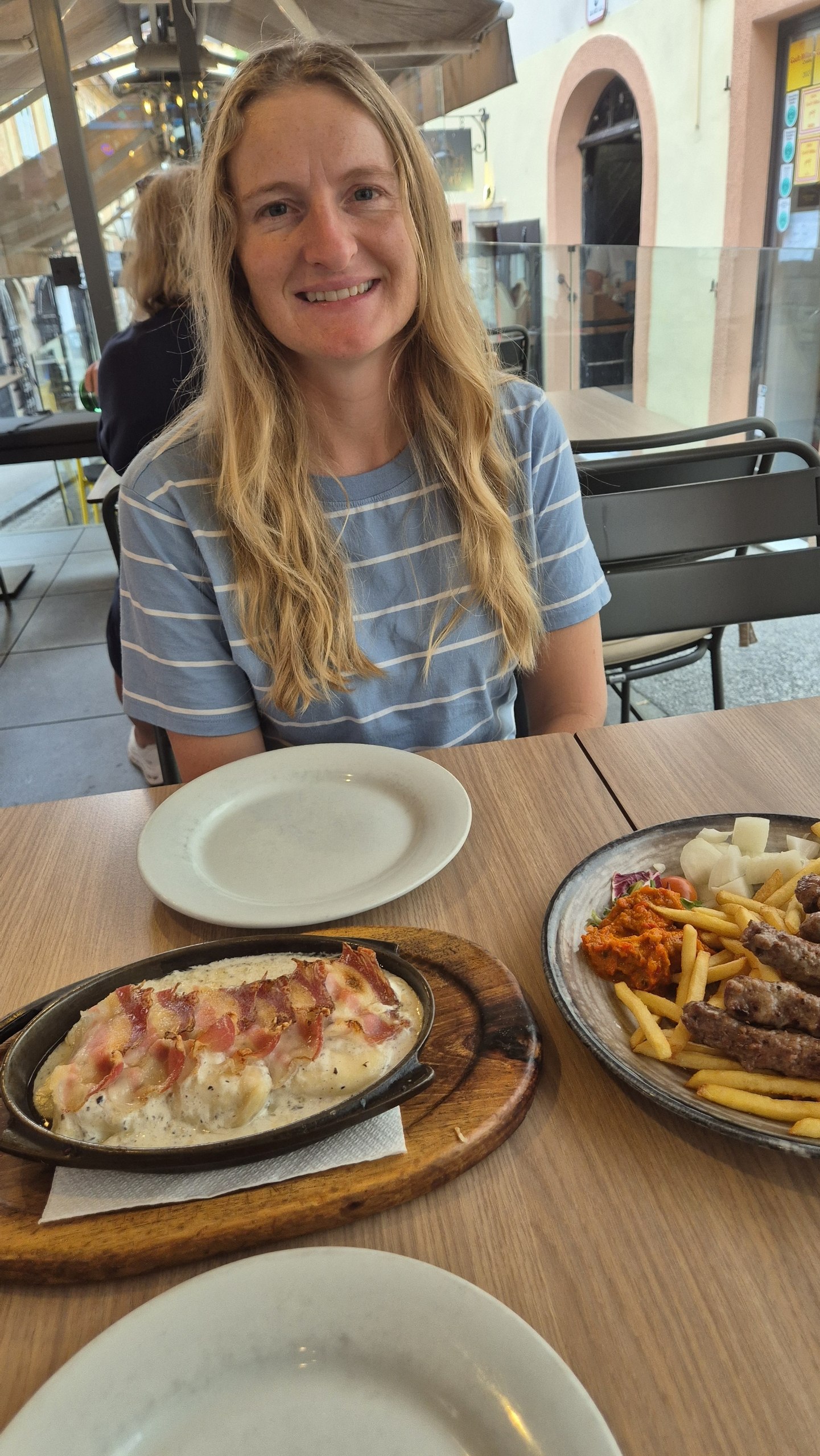
For dinner we had two Croatian staples. Ćevapi are small grilled rolls of seasoned minced meat, usually served with flatbread, onions and accompaniments such as ajvar or kajmak. Štrukli are dough parcels filled with fresh cheese and either boiled or baked; ours were baked with truffle and bacon and were particularly delicious.
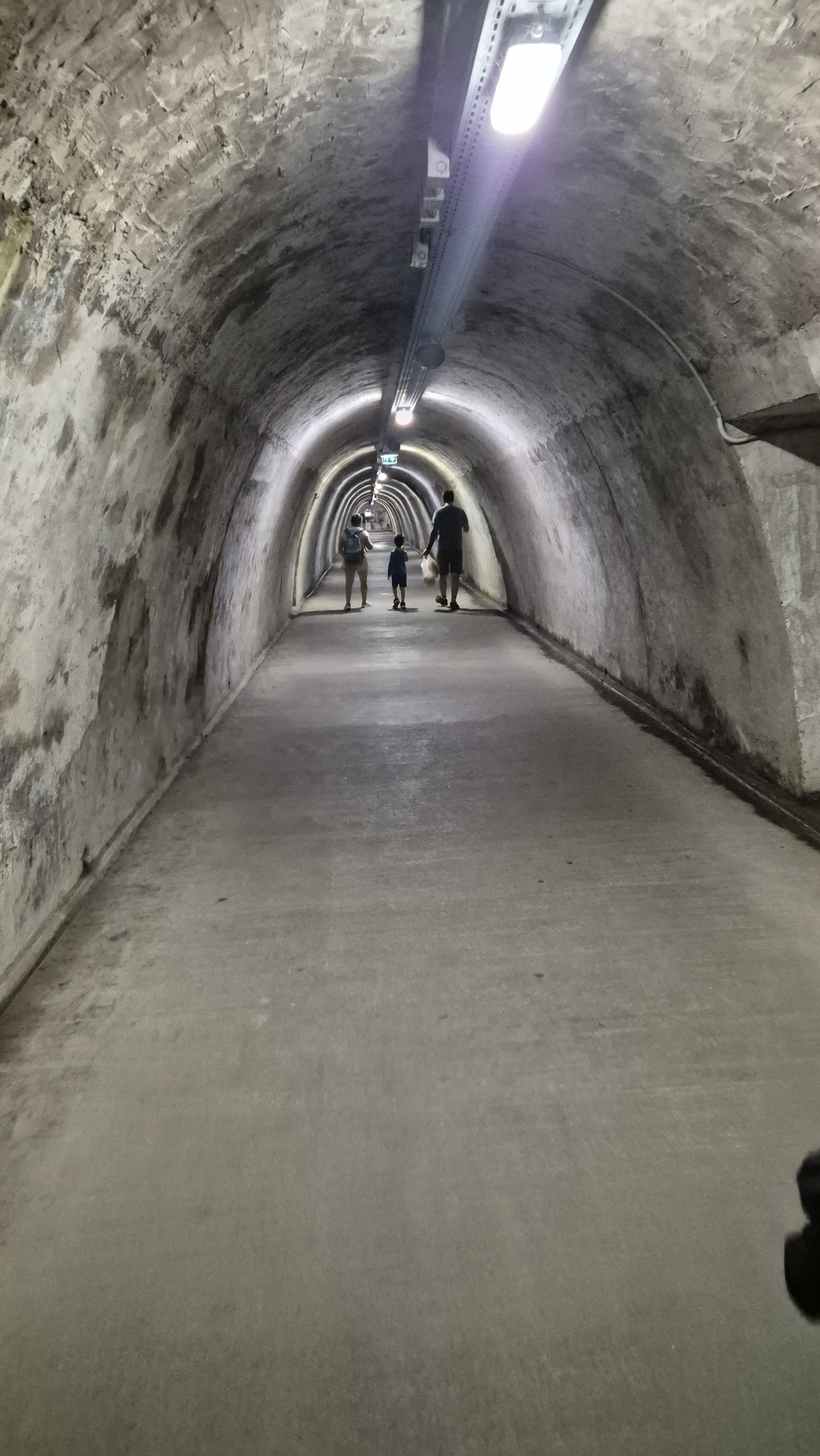
Afterwards we walked through the Grič Tunnel beneath the Upper Town. Its main passage is about 350 metres long and was built between 1943 and 1945 as a Second World War air-raid shelter. It was used as a shelter again during Croatia’s 1991–95 war, then renovated and opened to the public in 2016. Today it is both a useful pedestrian shortcut and an occasional exhibition space.
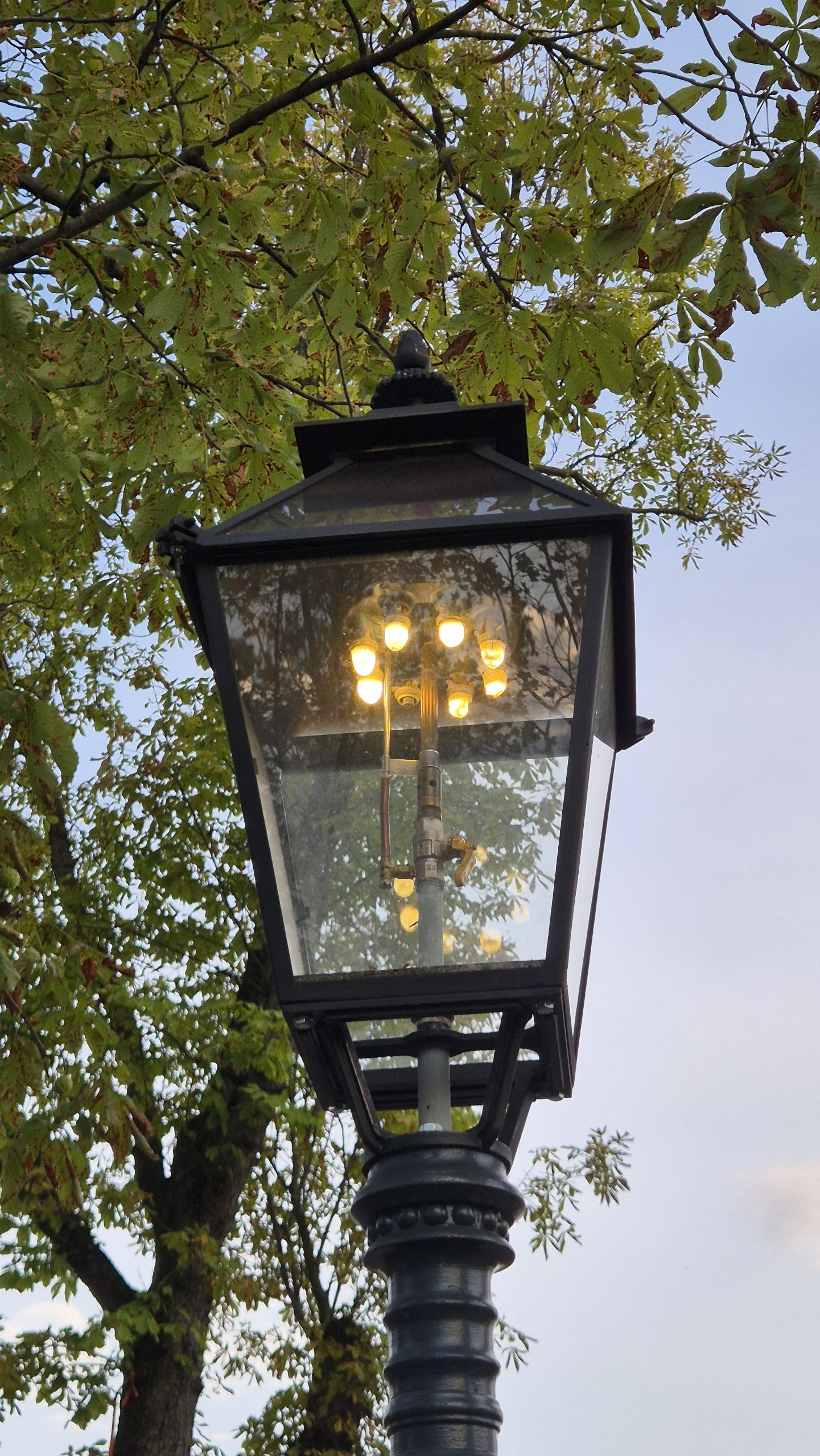
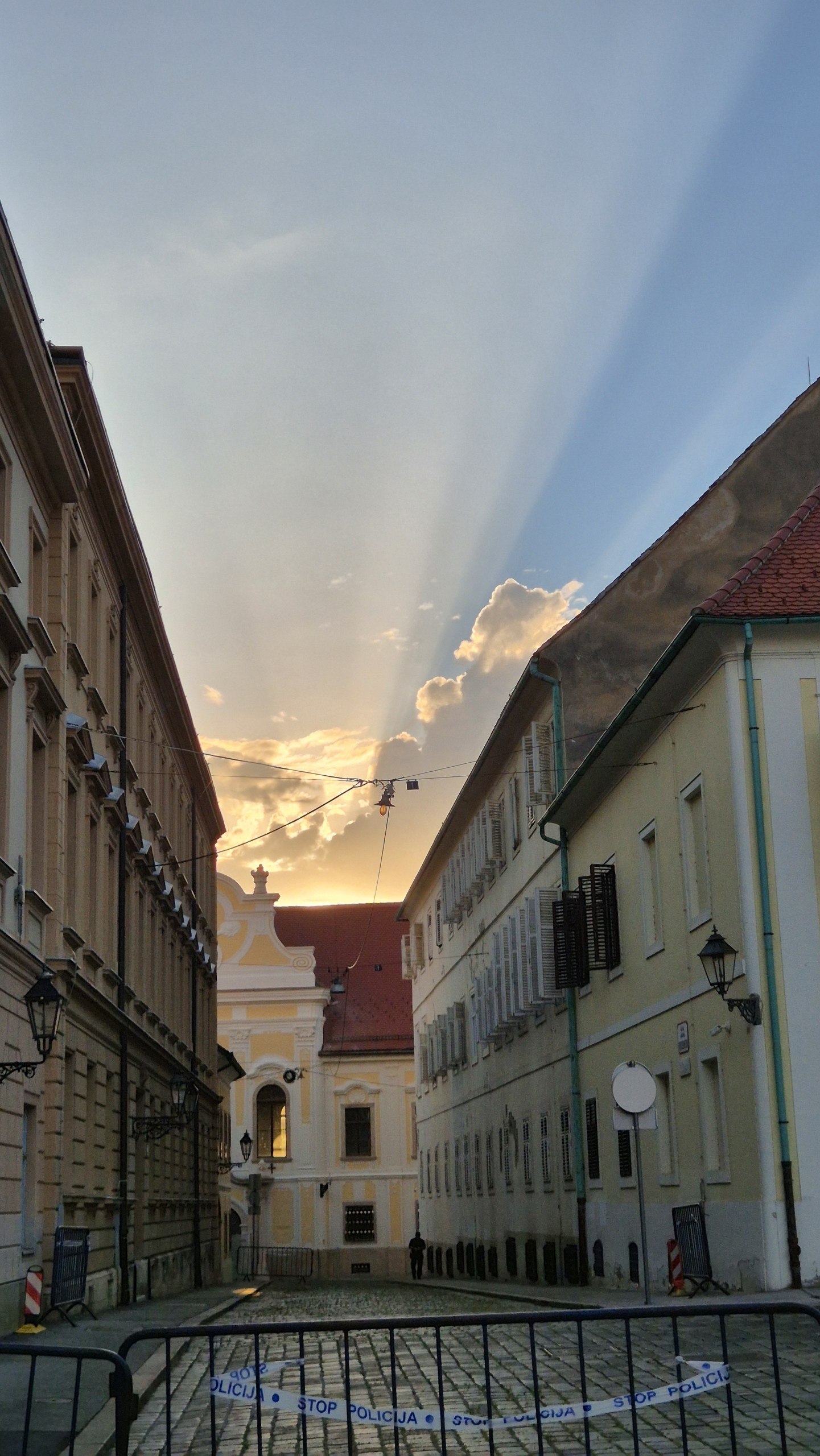
We emerged into the Upper Town around sunset and unexpectedly saw one of Zagreb’s gas-lamp men making his rounds. He carried a long pole, used it to open the gas valve inside each lantern and then ignited it, leaving the lamp glowing behind him. Zagreb introduced gas street lighting in 1863 and still has more than 200 traditional lamps that are lit and extinguished by hand.
The next morning we visited Dolac Market.
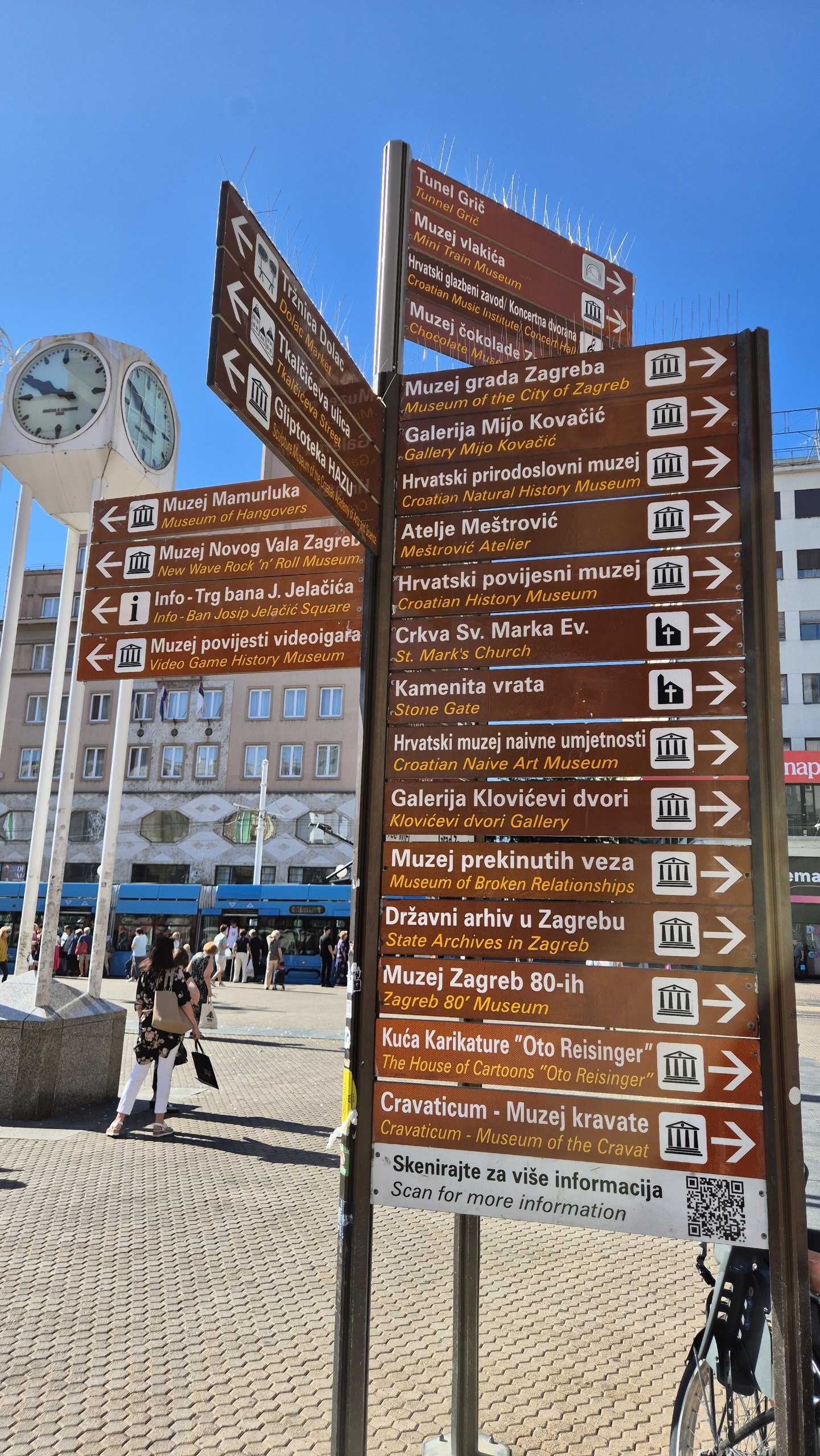
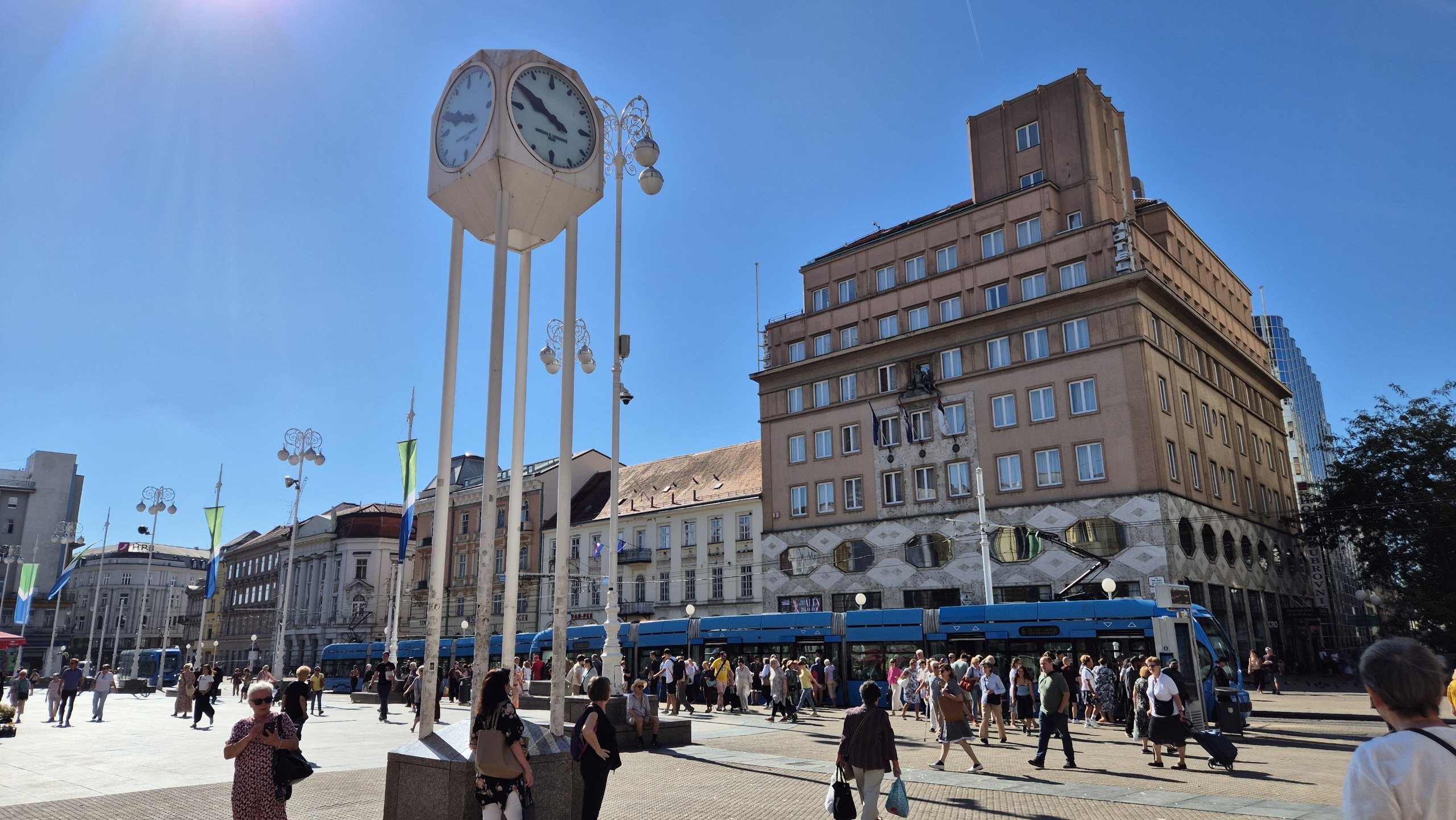
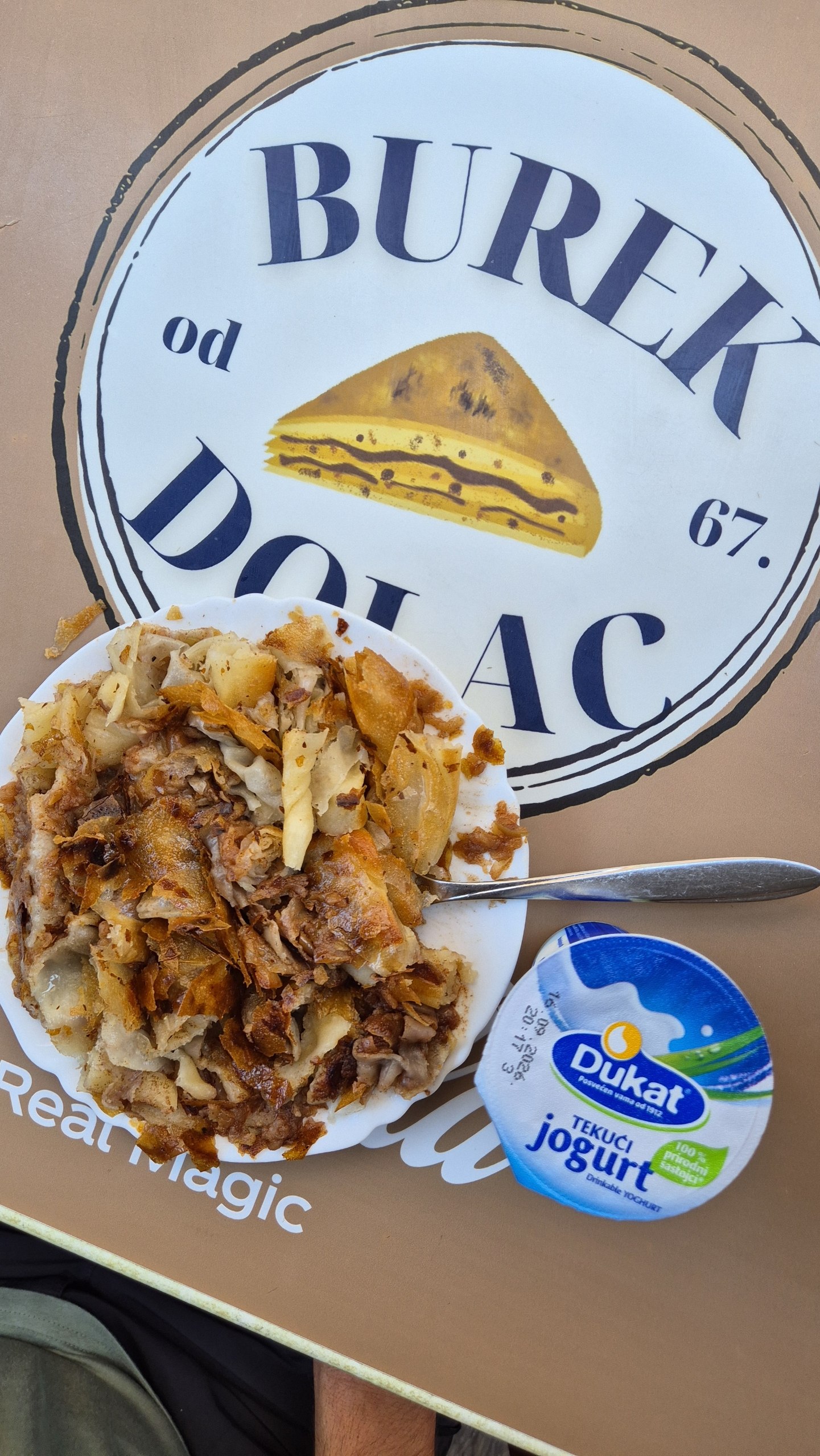
Just above the market we found Burek od Dolca, a tiny no-frills place full of older locals. The menu was essentially meat, cheese or apple burek, plus drinking yoghurt. We chose apple burek and yoghurt.
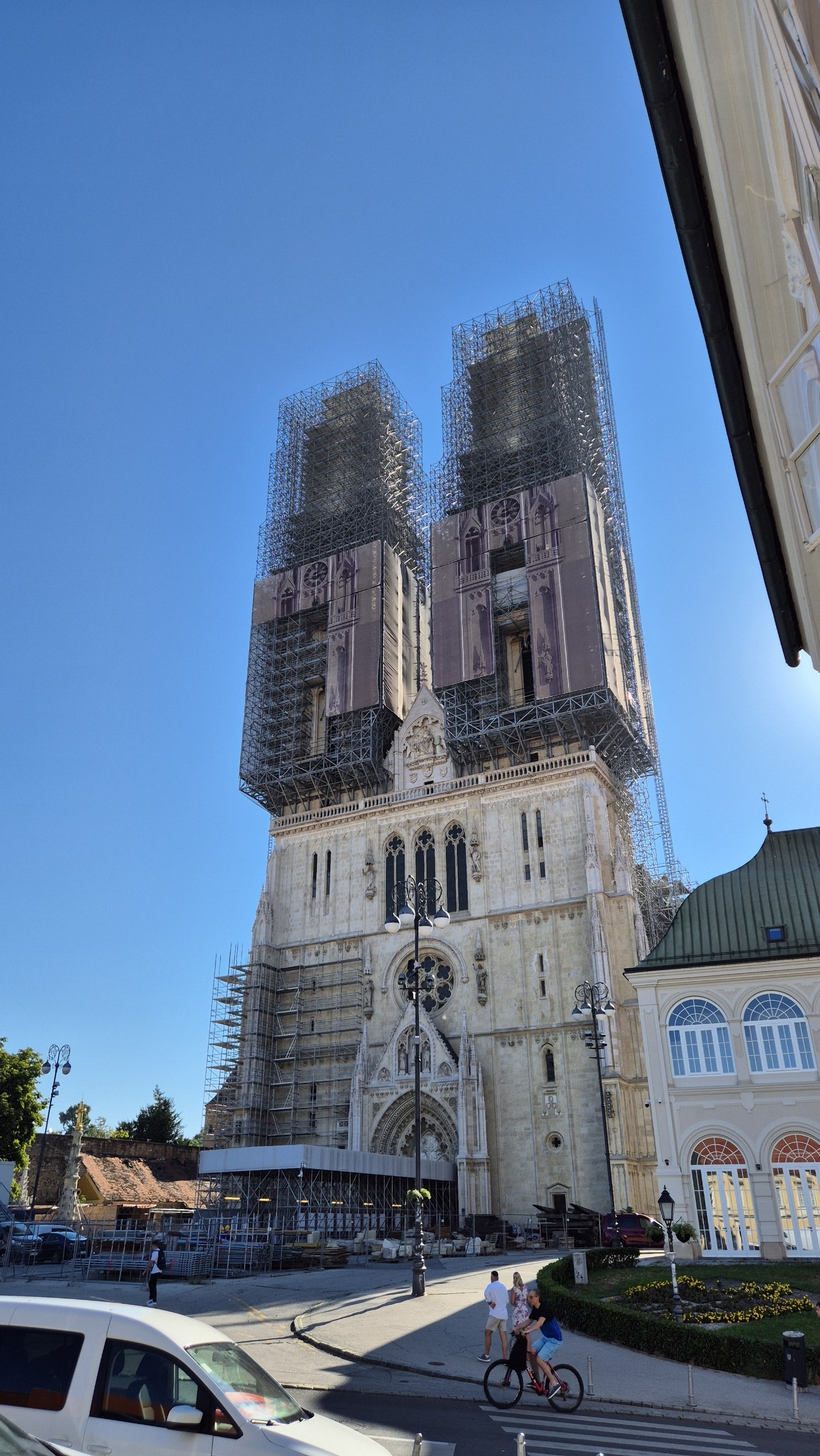
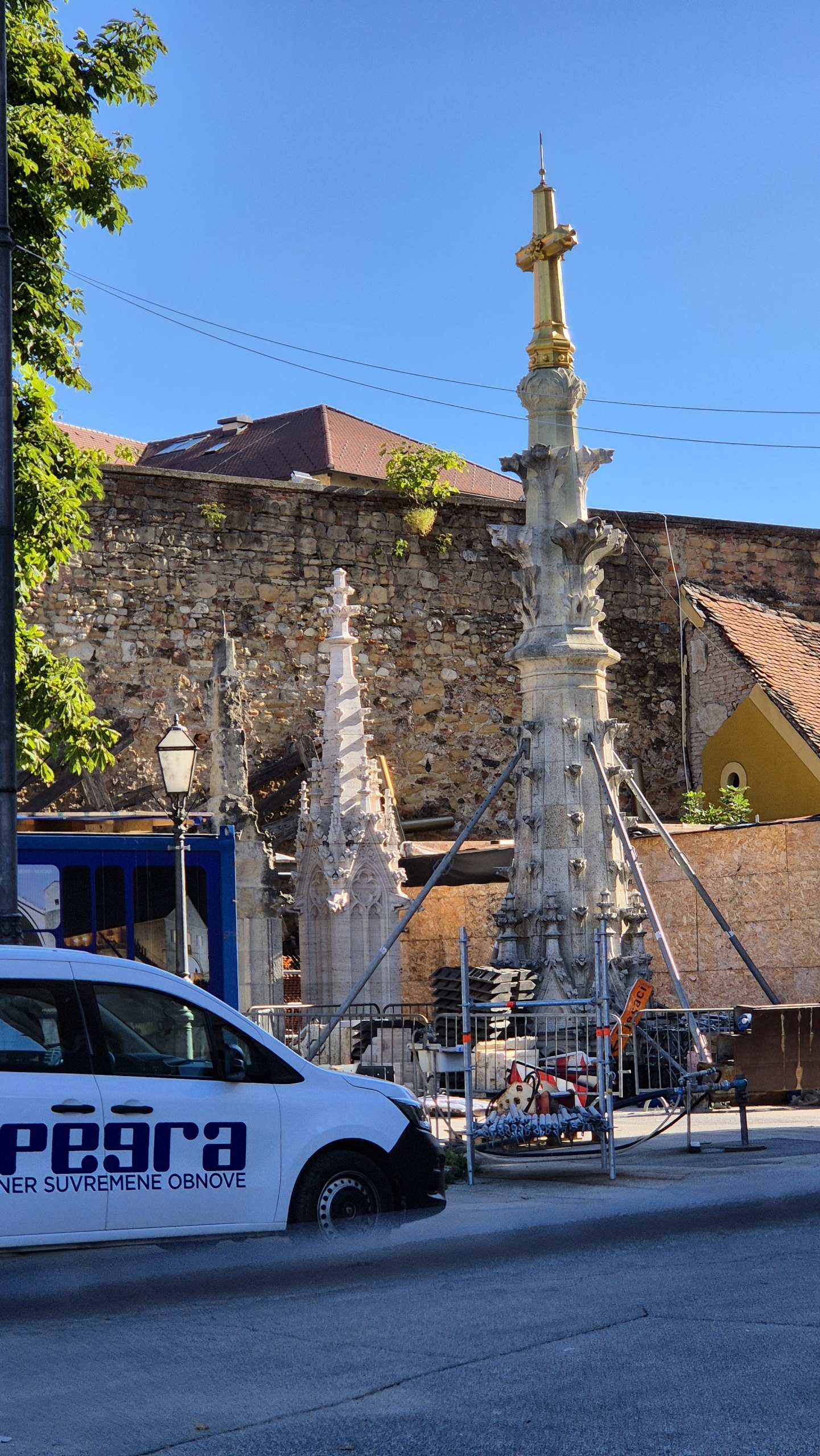
From there we walked to Zagreb Cathedral, the largest church in Croatia. Restoration work had already been under way since 1990, but the cathedral was badly damaged in the March 2020 earthquake. One tower’s stone pinnacle collapsed, and the much larger structural repair project has kept it wrapped in scaffolding ever since.
We stopped at Spar for groceries, taking advantage of having a full kitchen. We bought ingredients for another pot of soup, plus pasta and pesto, then spent most of the day working in the apartment.
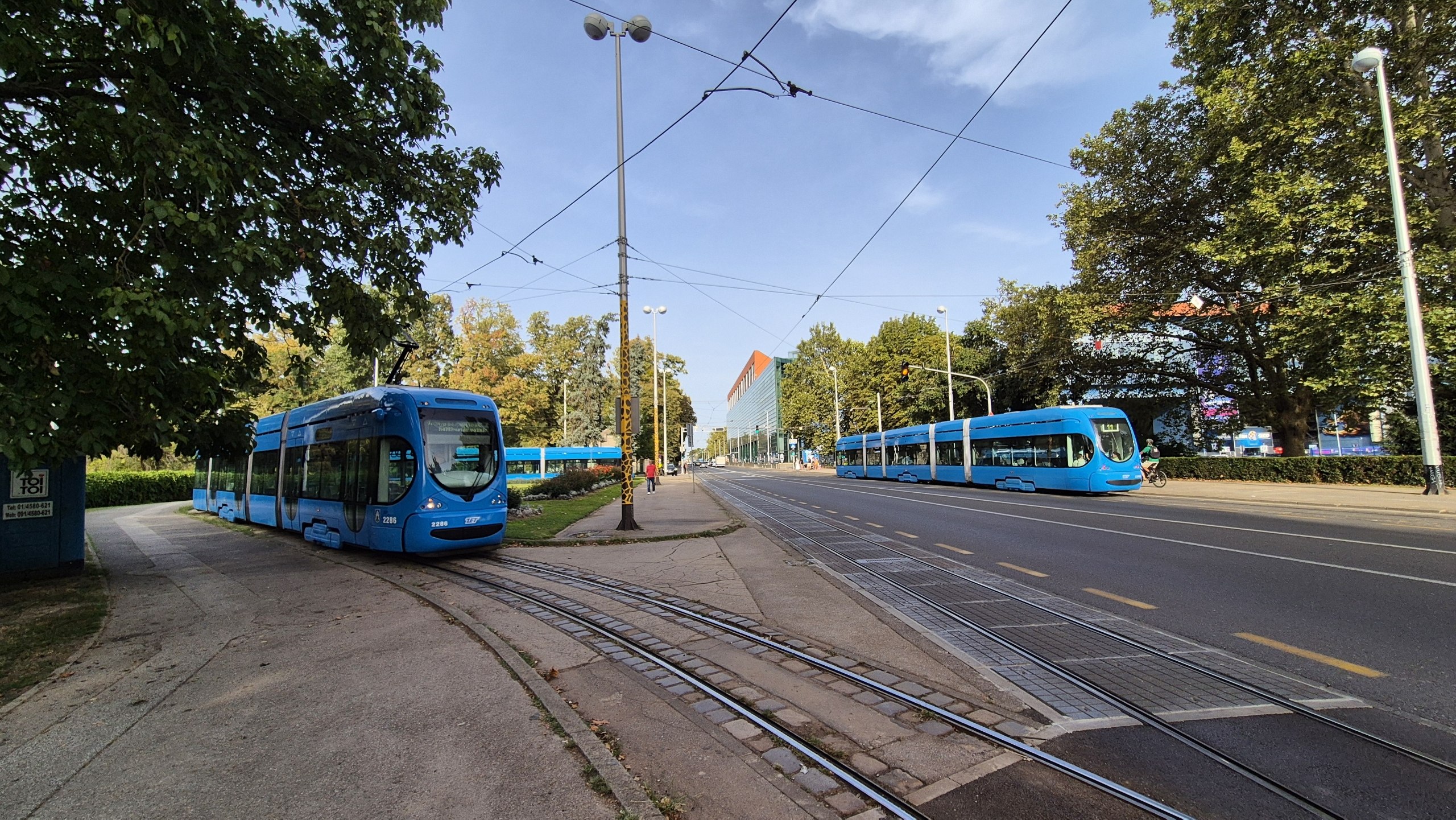
We worked again the following morning, then used Zagreb’s trams for the first time to visit Maksimir Park. The first trip was accidentally free because we could not find the QR code we were supposed to scan. By the time we got off we had located it, so at least the return journey was paid for. A 30-minute ticket cost only €0.53, making it one of the cheapest public-transport tickets we have found in Europe.
Maksimir was begun by Bishop Maksimilijan Vrhovac in the late 1780s and opened to the public in 1794, making it one of Europe’s earliest public parks and the first public promenade in southeastern Europe. It began as a formal Baroque park and was reshaped during the 1830s and 1840s into the looser English landscape of woods, meadows, lakes and winding paths that survives today.
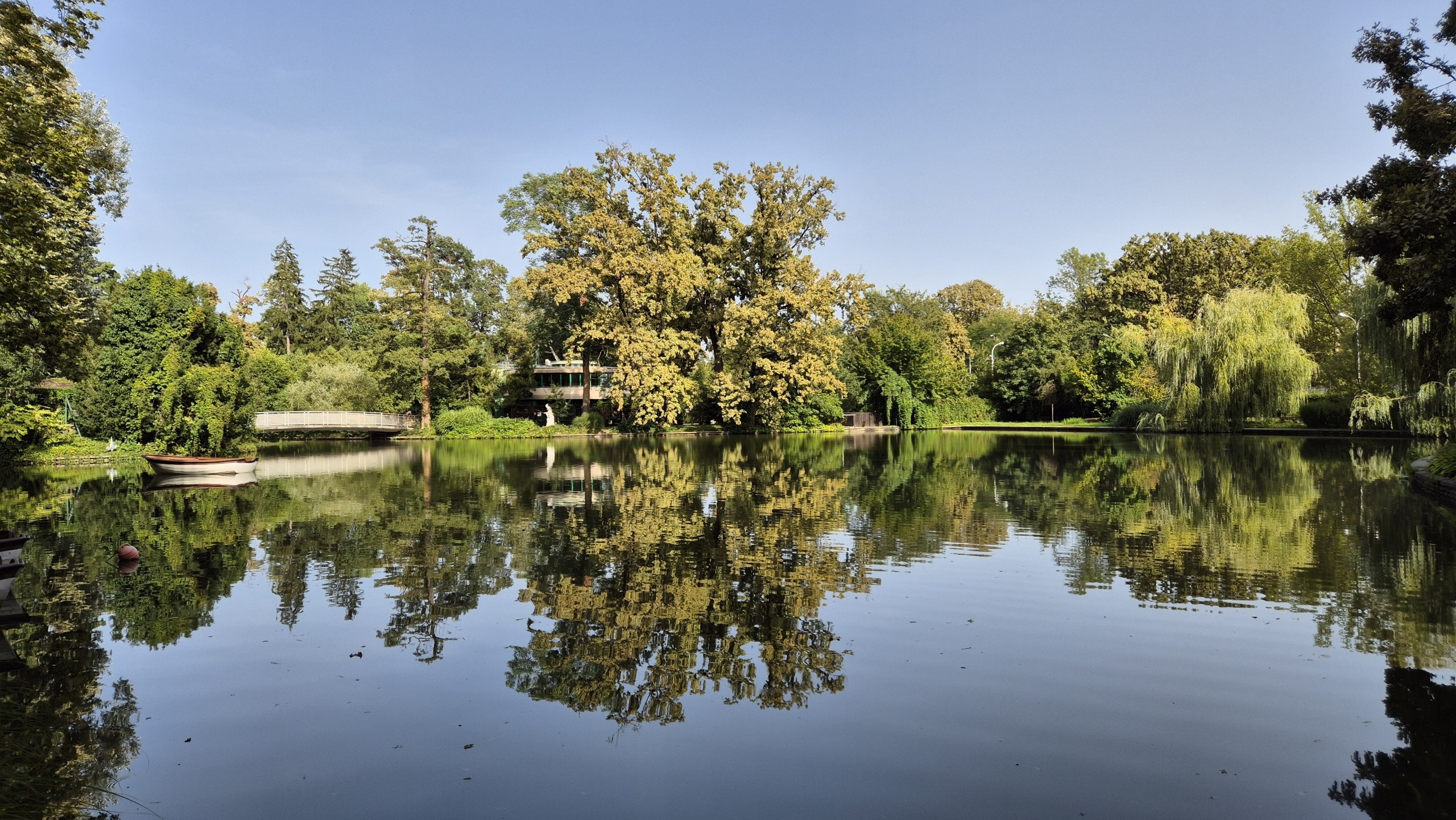
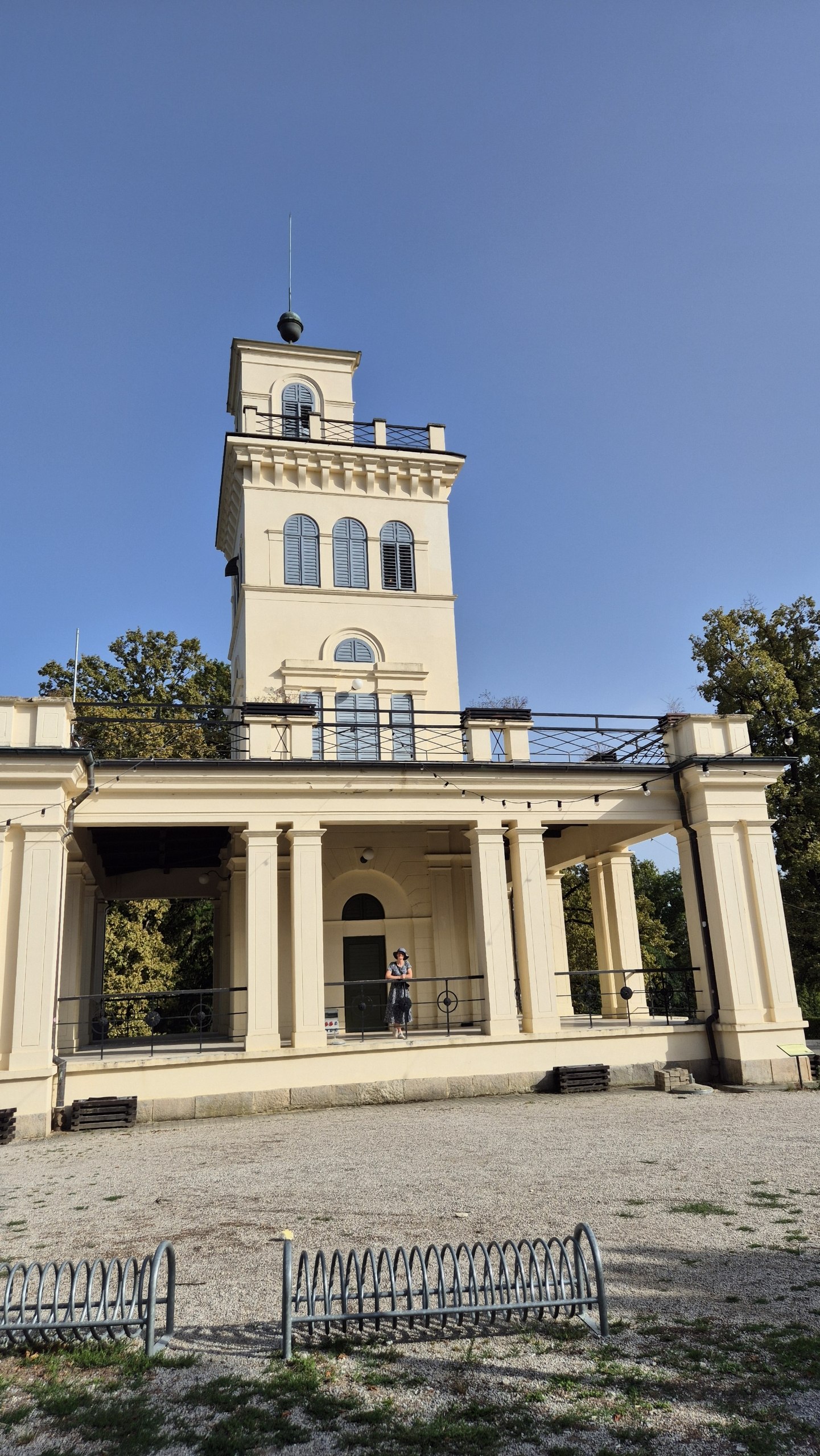
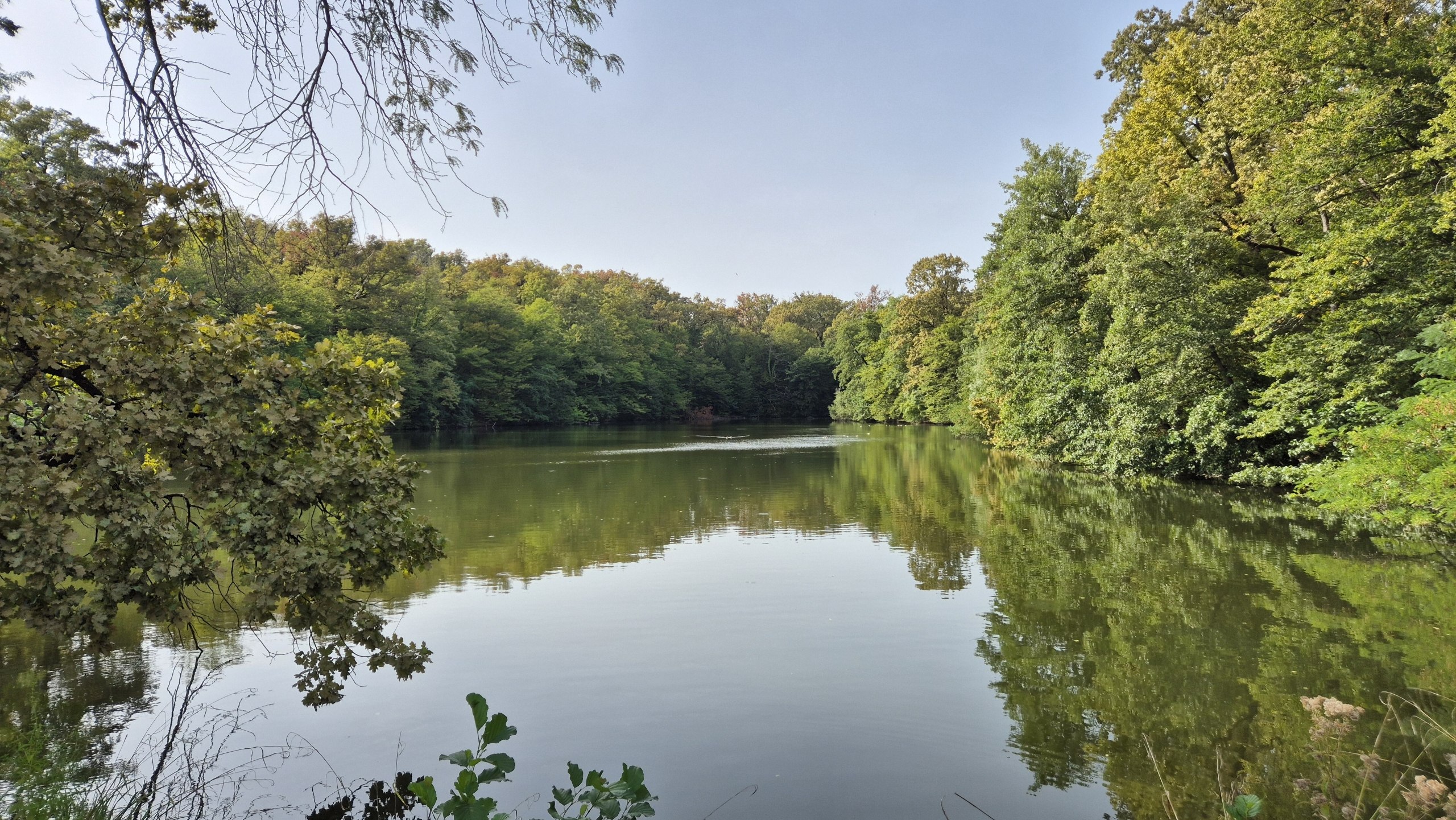
It was also our first look at a less touristy side of Zagreb. Locals were walking, running and relaxing after work among the lakes, paths and enormous old trees. The whole park felt peaceful and safe rather than even slightly dodgy.
After taking the tram back, we walked around the Croatian National Theatre.
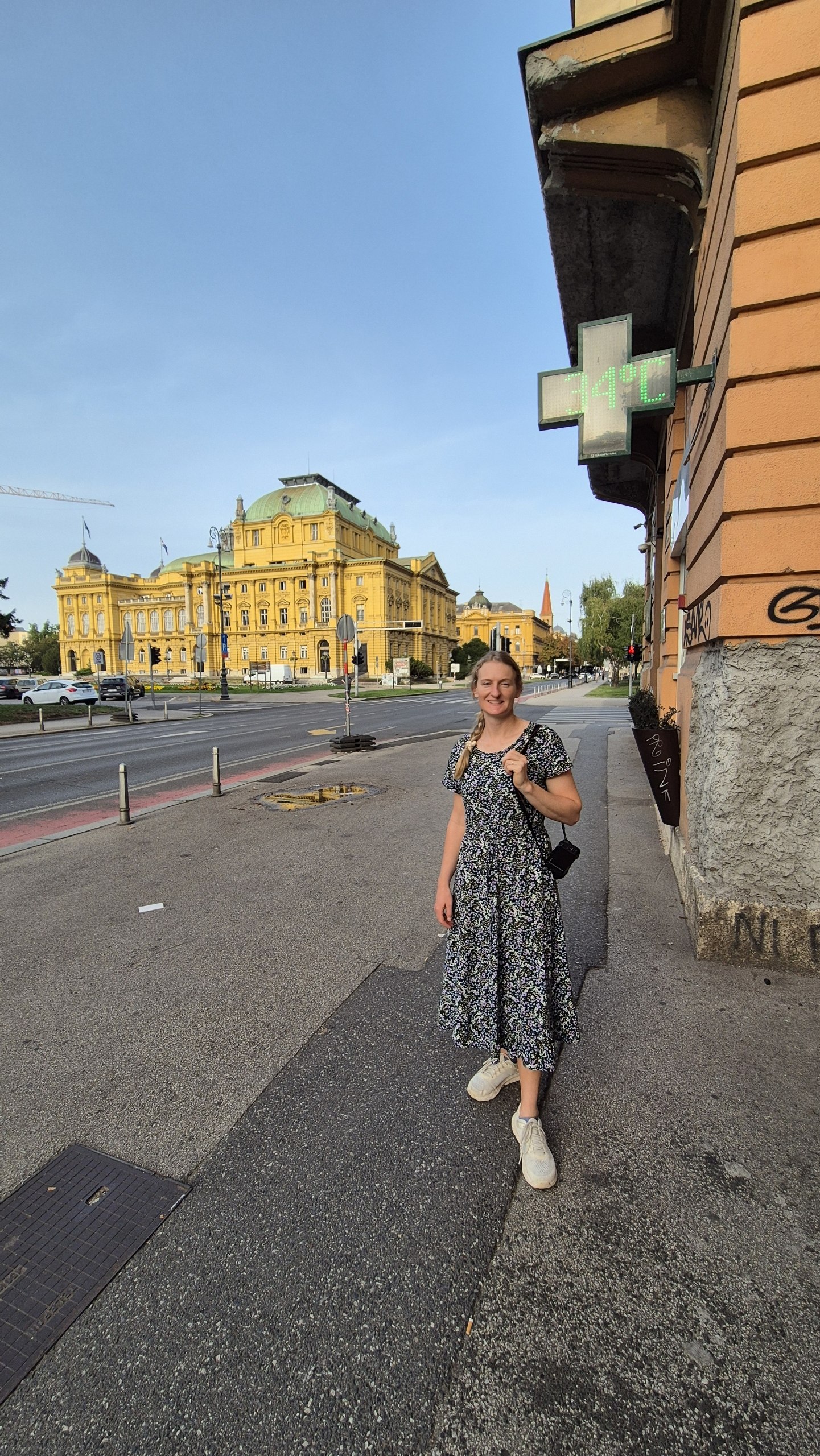
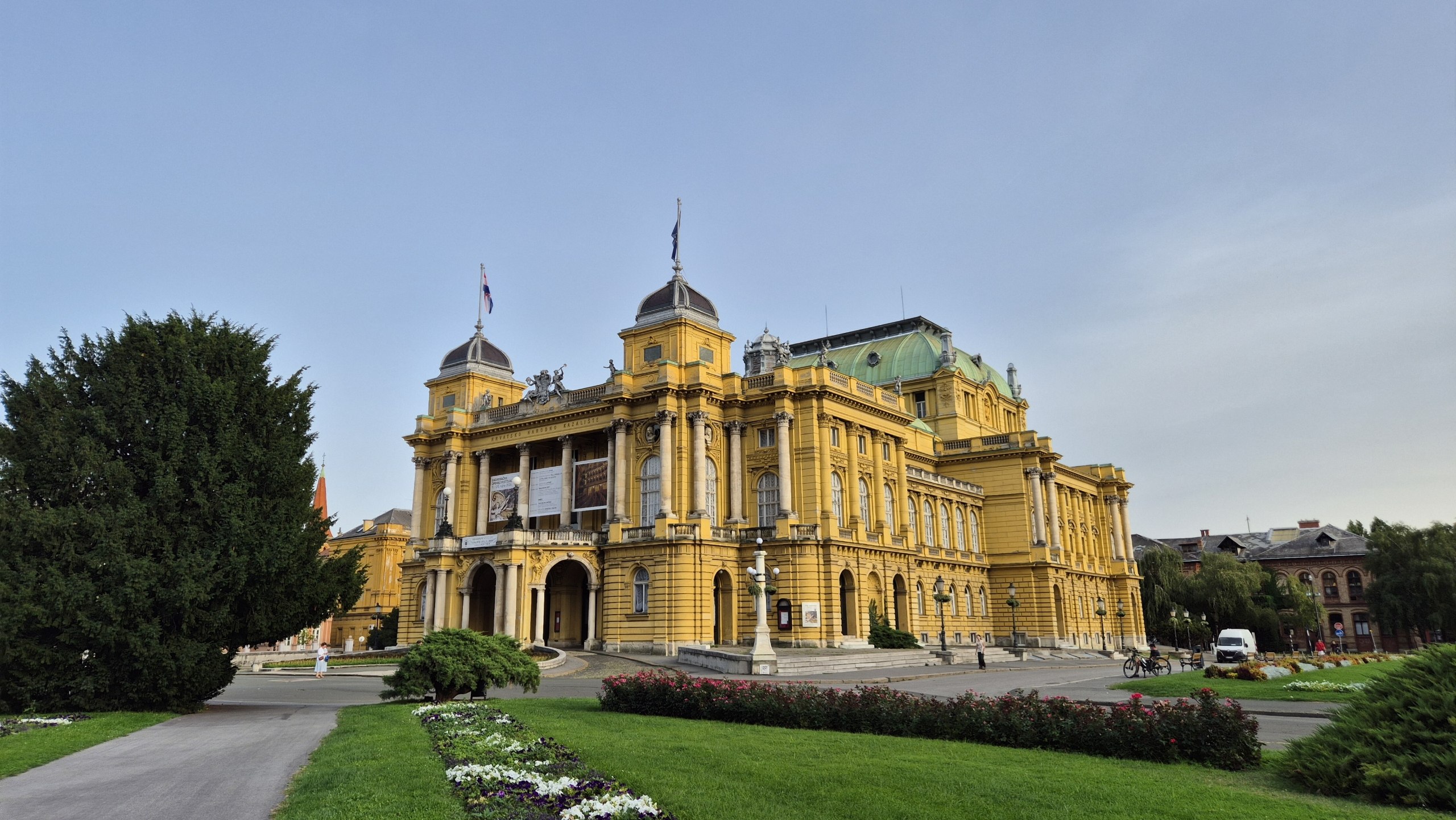
Hugo then announced that the next park was “only 1.2 kilometres away”, where there was supposedly an outdoor film-and-music festival. This was the Food Film Festival at Trg dr. Franje Tuđmana. There really was a screen and there really were food stalls, but the whole thing felt surprisingly anticlimactic, so we turned around and left.
On the way back we bought what we thought was the same drinking yoghurt we had enjoyed the previous morning. Only after opening it did we discover that it was ordinary thick yoghurt. We had no spoon, so instead of drinking it we had to carry the open container upright all the way onto the tram, back to the square and into another Spar.
At Spar we bought crumbed Camembert for dinner, as well as snacks, coffee and milk for the road trip beginning the next morning.
After dinner, Hugo discovered that Kaptol Boutique Cinema & Bar had a 21:30 English screening of the newly released Spider-Man: Brand New Day. That allowed us to continue our tradition of watching films in foreign cinemas.
Tickets were €10 each, almost cheaper than at home in South Africa. We added a combo with drinks, Smarties and an absolutely enormous box of popcorn. It was only salted, though—none of the popcorn spices we are used to in South Africa.
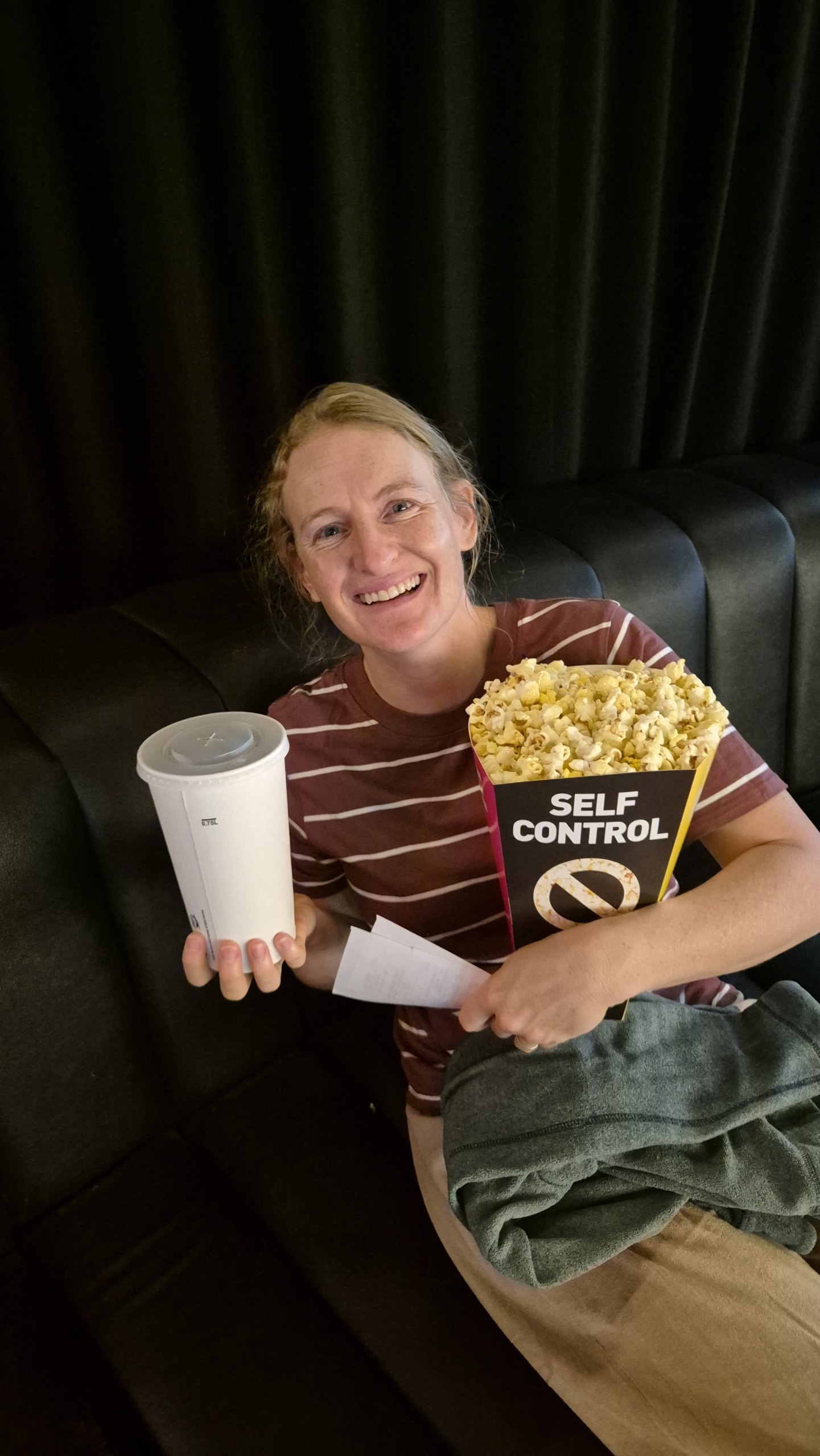
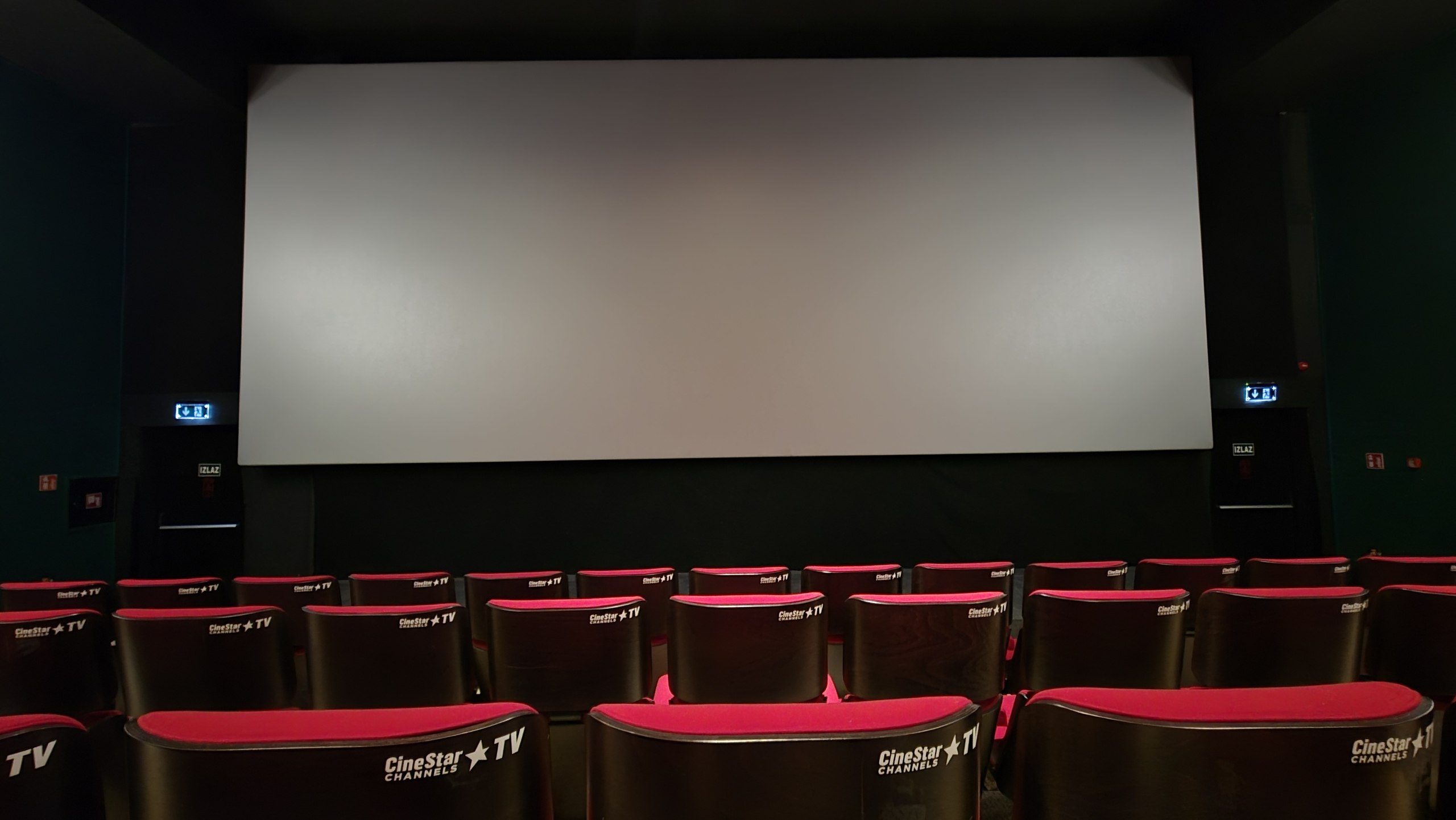
As with most of our cinema visits abroad, the theatre was almost completely empty. Croatia became the 17th country in which we have watched a film at the cinema. Rather fittingly, 65% of those films have been sequels.
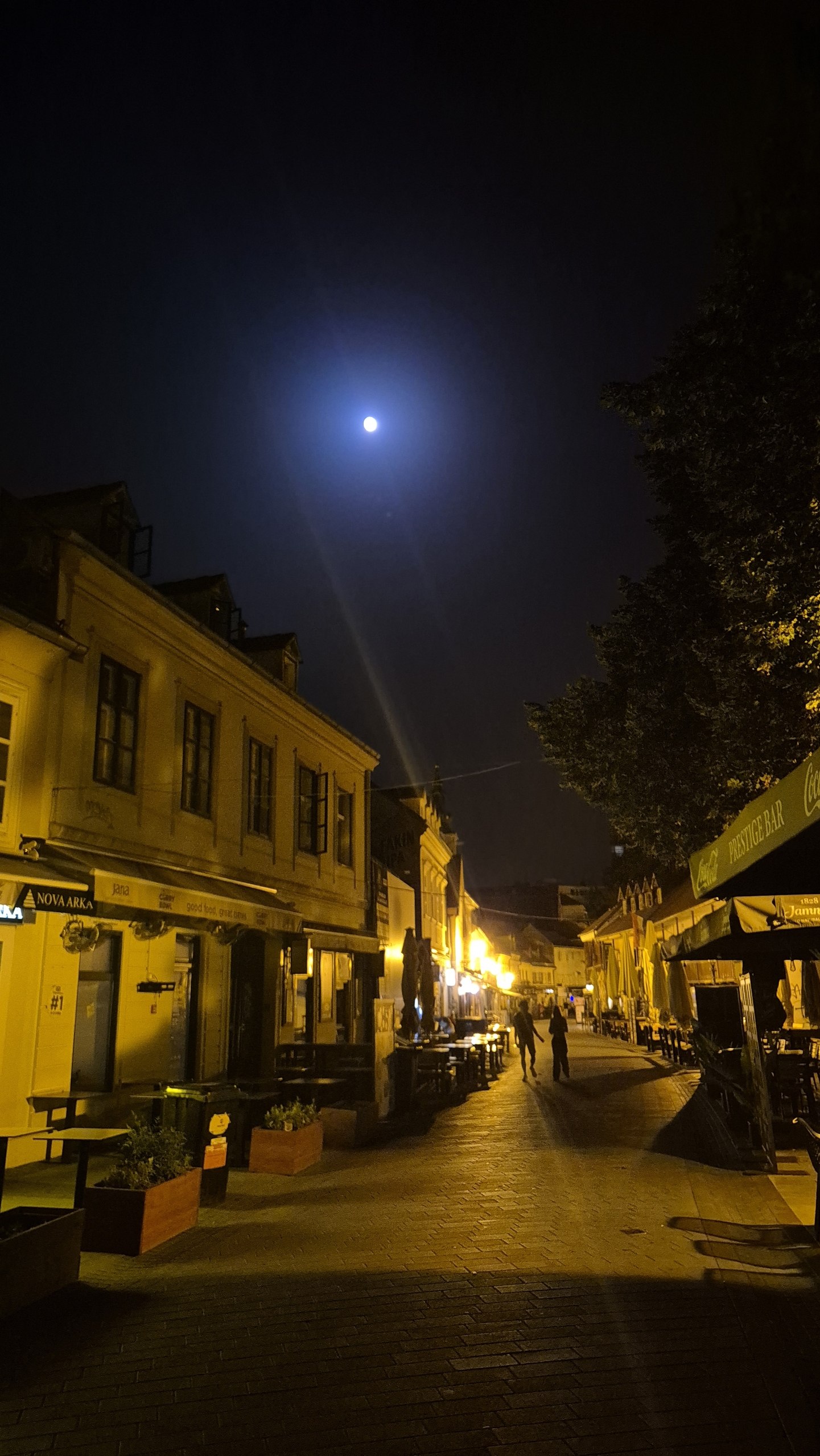
By the time the film ended it was after midnight. Some of the restaurants and bars were still packed, but our own street was quiet. The moon, the old buildings and the almost empty streets gave the walk home a lovely atmosphere and made for a fitting end to our stay.
Zagreb also made our recent run of capital cities three from three. Budapest, Ljubljana and Zagreb were all enjoyable in their own ways, and all felt far more palatable than the huge Western European capitals. If forced to rank them, we would put Budapest first, Ljubljana second and Zagreb third—but third place in this particular group was still very good.
Leave A Comment