
Wednesday started with the realisation that we had a room but no kitchen supplies. We had not yet visited a grocery shop and did not even have milk for coffee.
Luckily, there was a small café-bar around the corner that seemed to be used mostly by locals. Nobody appeared to speak English, but pointing at the display worked well enough.
We ordered two cappuccinos and our first cornetti alla crema—Italian croissants filled with custard. They were delicious, and the whole breakfast cost at least 50% less than similar breakfasts had cost us in Croatia.
From there we walked towards Capo Market.
The farther we went, the more familiar the streets began to look. Eventually we realised that this was the same route we had followed through the heavy rain the previous evening.
In the dark, after everything had closed, it had looked like a particularly dirty collection of narrow streets with rubbish and fishy-smelling water flowing downhill. In daylight, with the stalls open and people everywhere, it made much more sense.
Capo is one of Palermo’s historic markets, its narrow network of streets often compared to a North African souk. The traders still call loudly to people passing by, although parts of the market now cater as much to tourists as to locals.
There were stalls selling fish, olives, sun-dried tomatoes and other local food, but also the same souvenir magnets and keyrings we had seen in almost every town on the trip.
Some stalls sold freshly squeezed fruit juice with the option of adding alcohol. Aperol Spritzes were also available at eight in the morning. Apparently it is never too early in Sicily.
We tried a cremino al caffè, a cold, creamy coffee drink that sits somewhere between coffee and dessert.
Near the end of the market, we found an older man still setting up a small food stall. There were a few bruschettas on a table, tins of anchovies and olives, and fresh tomatoes and basil that he was busy chopping.
It looked like exactly the sort of place we had hoped to find: a small local stall where communication would involve pointing, the food would be simple and excellent, and everything would cost next to nothing.
We ordered a little plate of bruschetta and handed him €20. He returned €15.
The €5 bought us a small paper plate containing a few pieces of old, dry bread topped with tomato and basil. It was not terrible, but it did not quite live up to the authentic Sicilian bargain we had already invented in our heads while watching him chop the tomatoes.
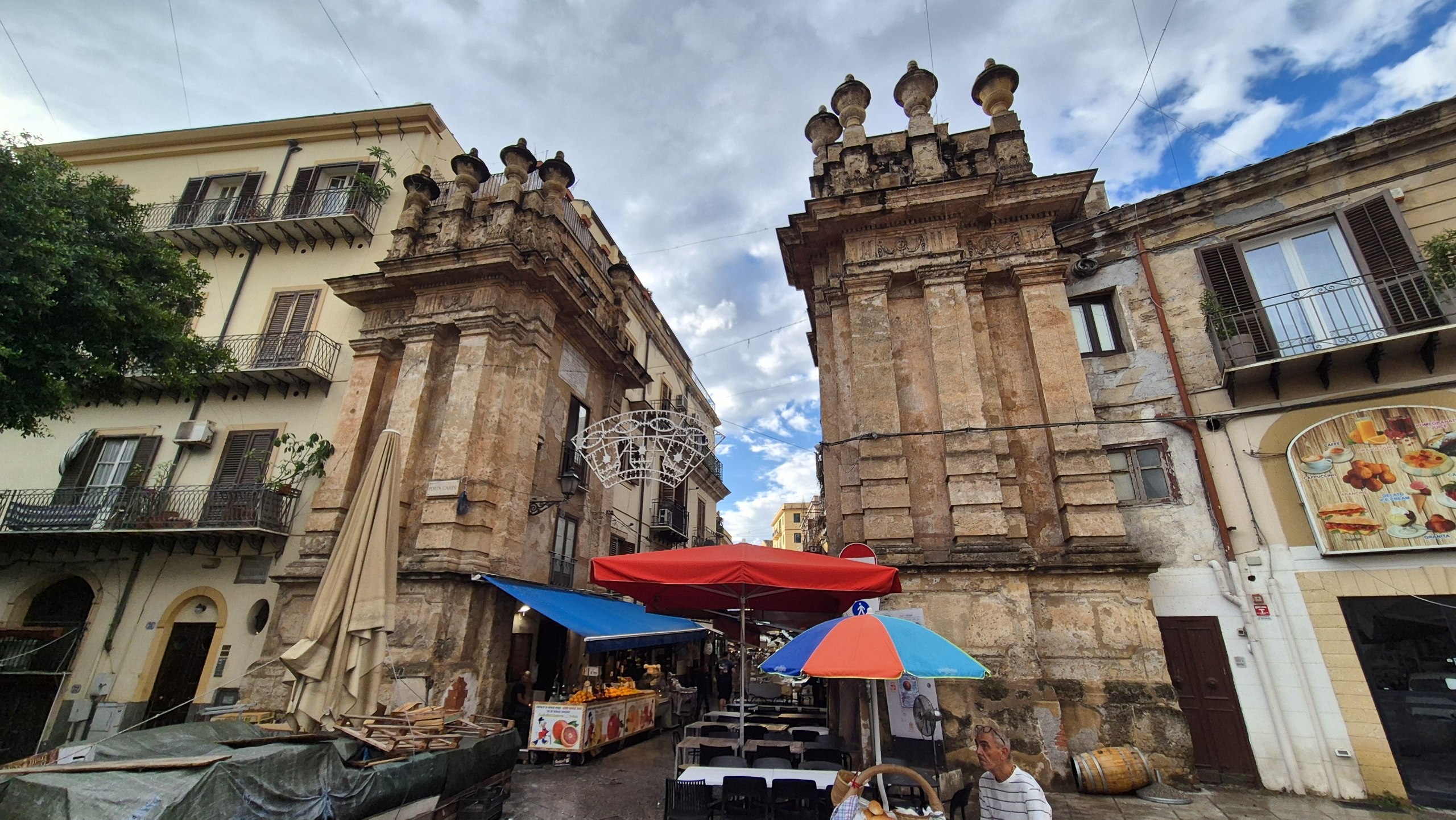
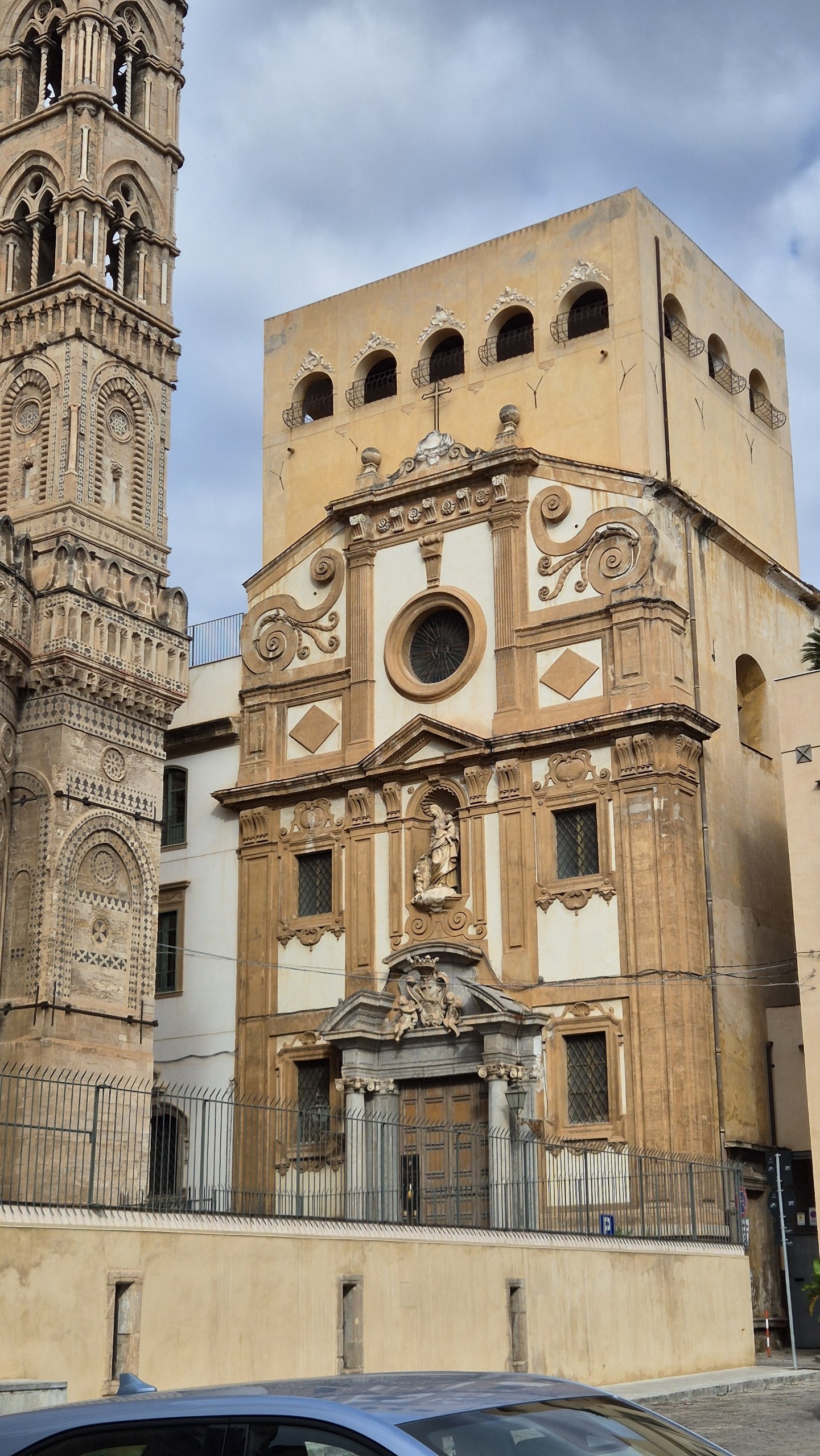
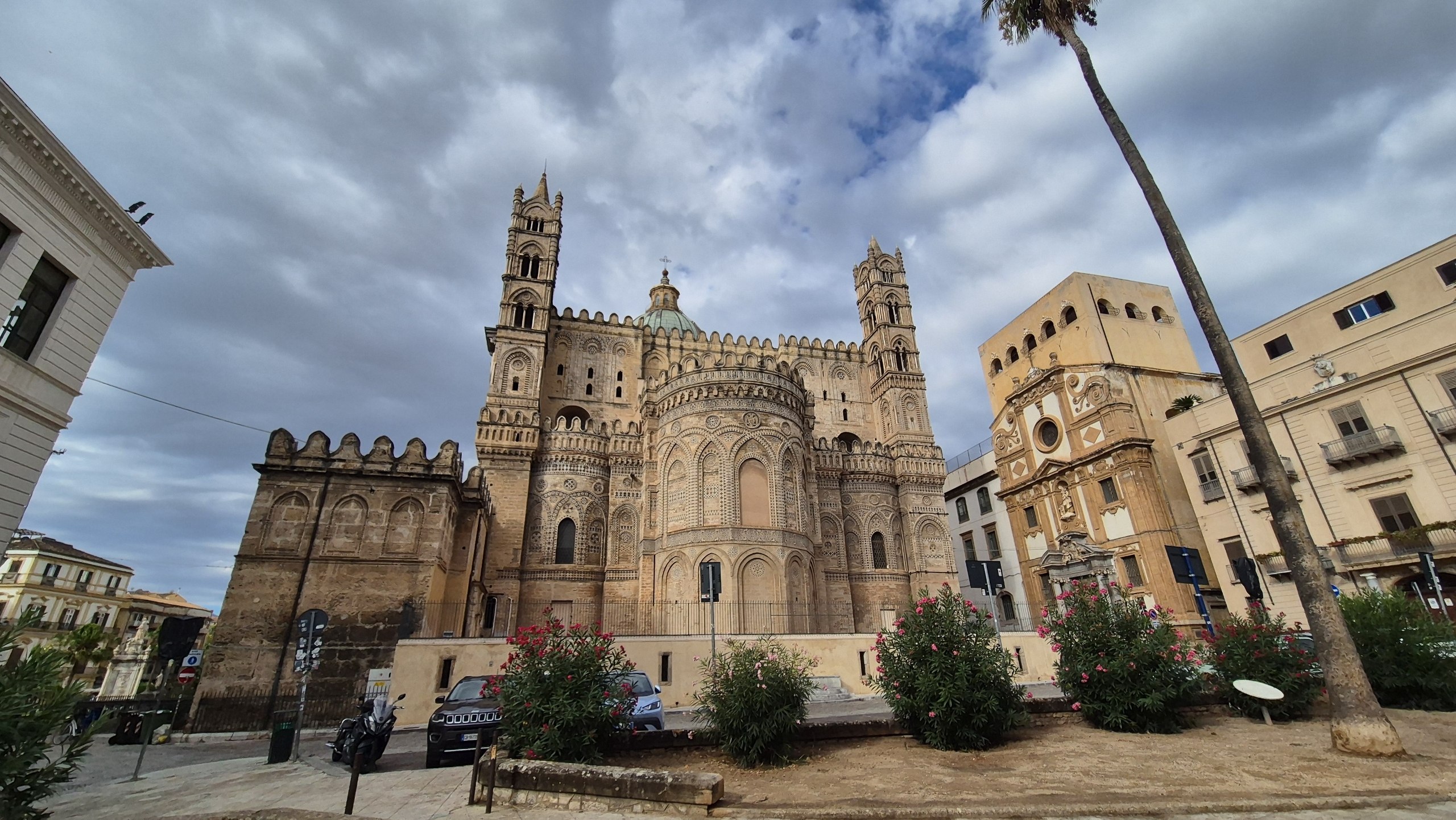
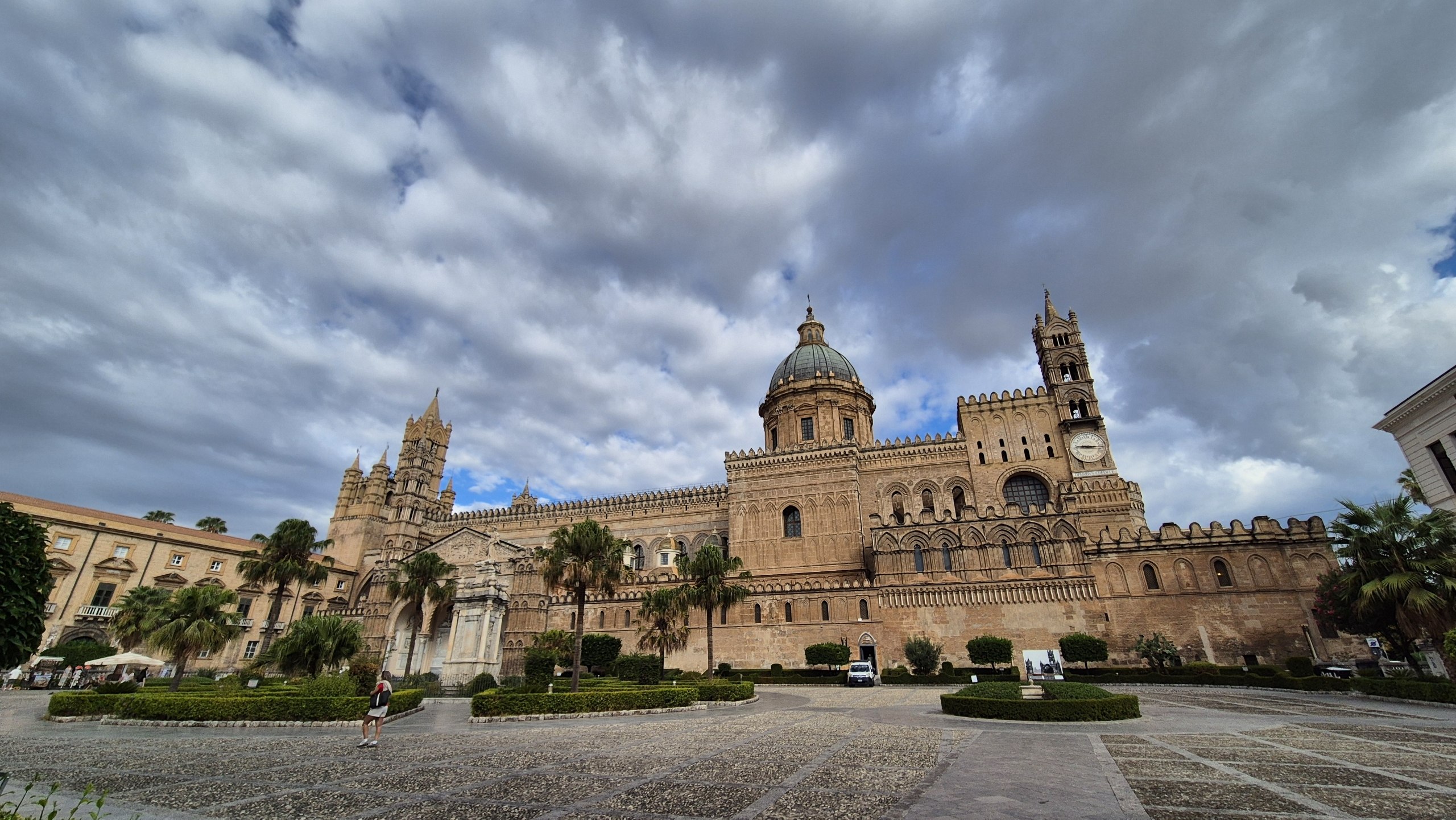
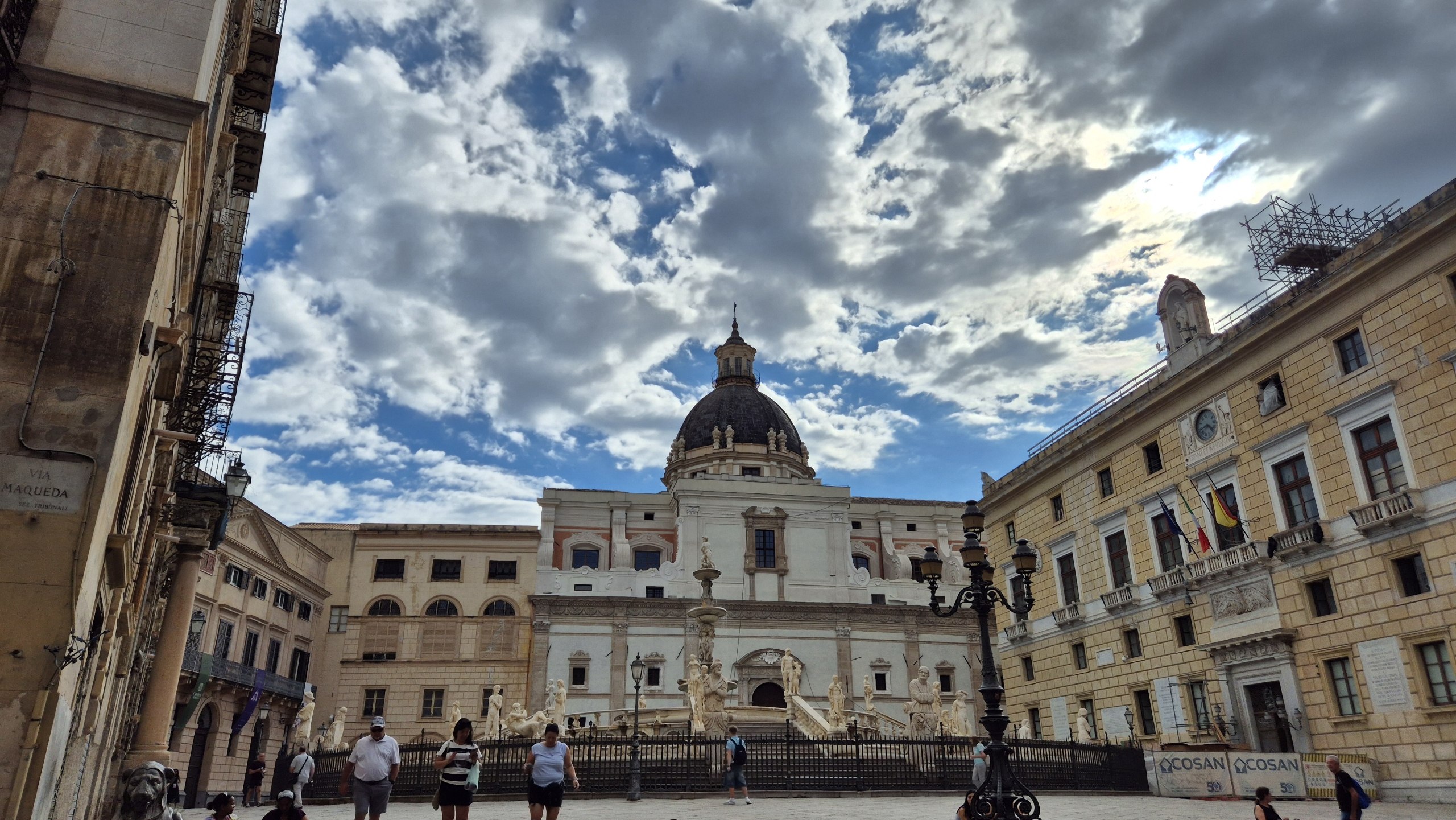
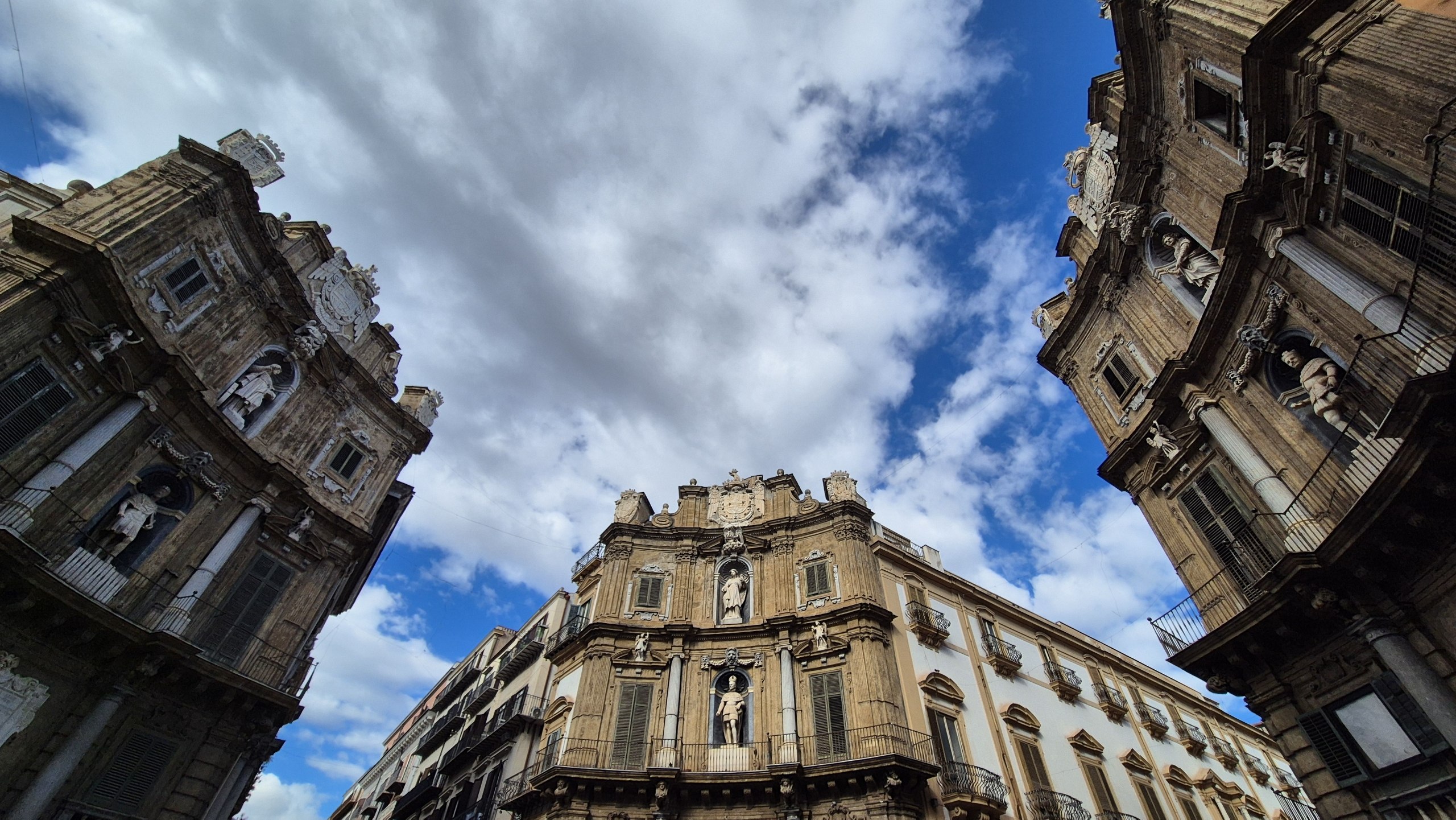
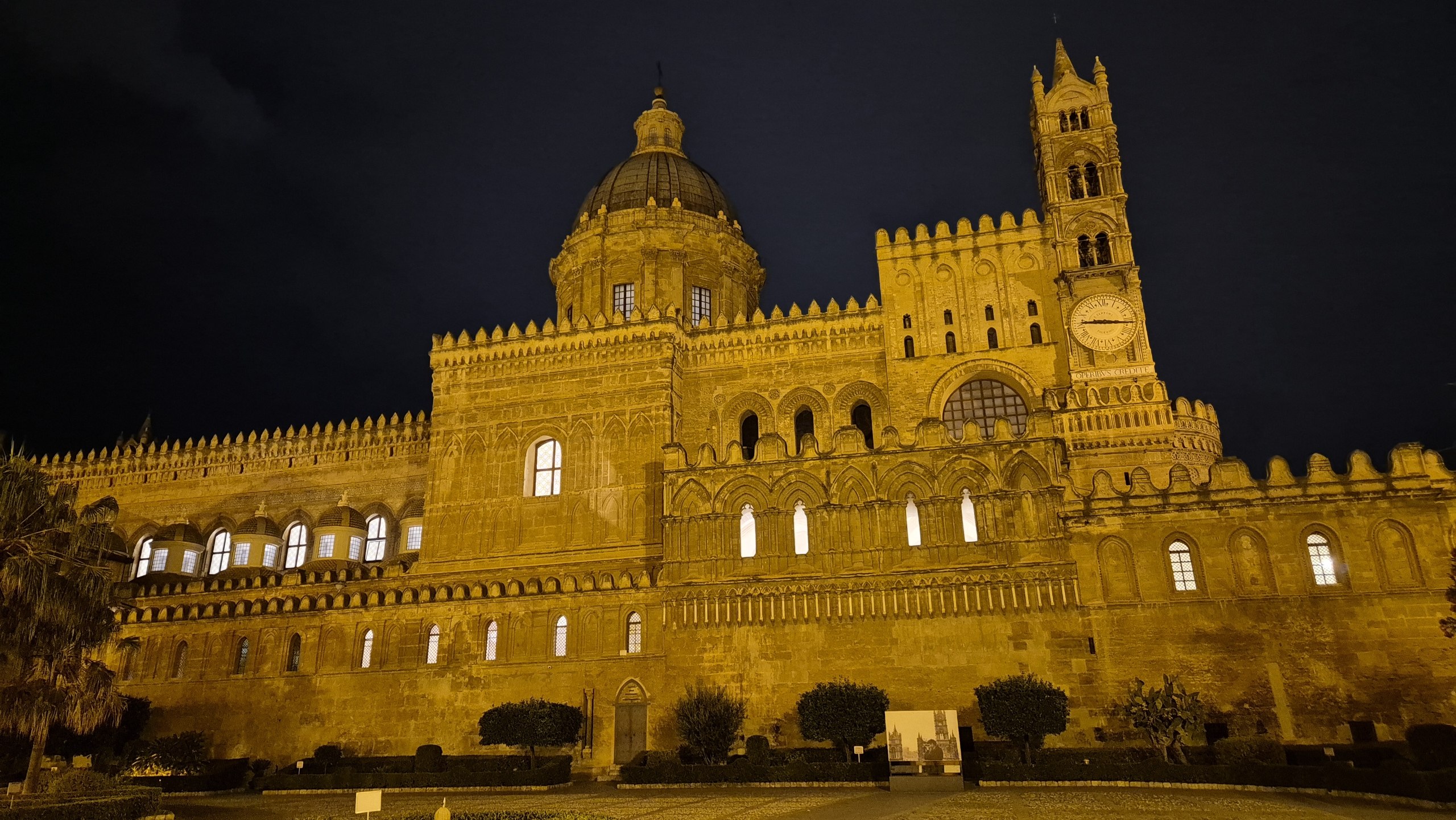
From Capo we continued towards Palermo Cathedral, then retraced much of the route we had walked the previous evening. We passed Piazza Pretoria and its fountain before returning along Via Maqueda.
Seeing everything in daylight was worthwhile. The market was now an actual market rather than a dark stream of dirty rainwater, and we could properly see the buildings and streets we had hurried past the night before.
We returned to the guesthouse at around 10:00 or 11:00. Hugo needed to work, while Caro had a shower and spent some time painting.
At about 13:30, Caro returned to the café-bar where we had eaten breakfast and bought lunch.
One item looked as though it might be an arancina, although it was the wrong shape. It turned out to be a fried piece of Palermo rosticceria, probably a calzone fritto: soft dough filled with a generous amount of ham and a block of cheese.
She also bought a bread roll filled with something resembling cream cheese and salami.
We ate in the room, then Hugo continued working while Caro listened to her audiobook.
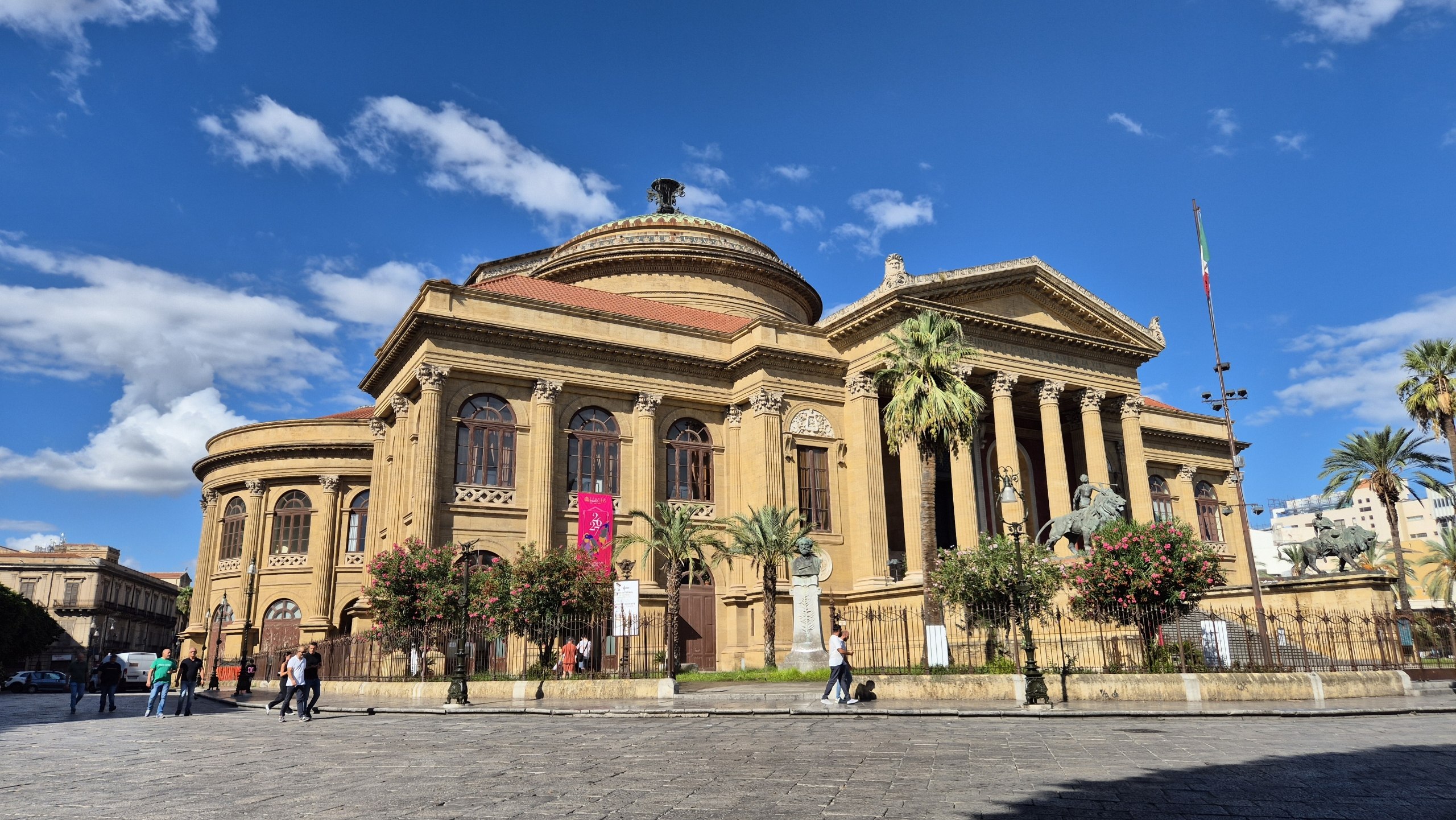
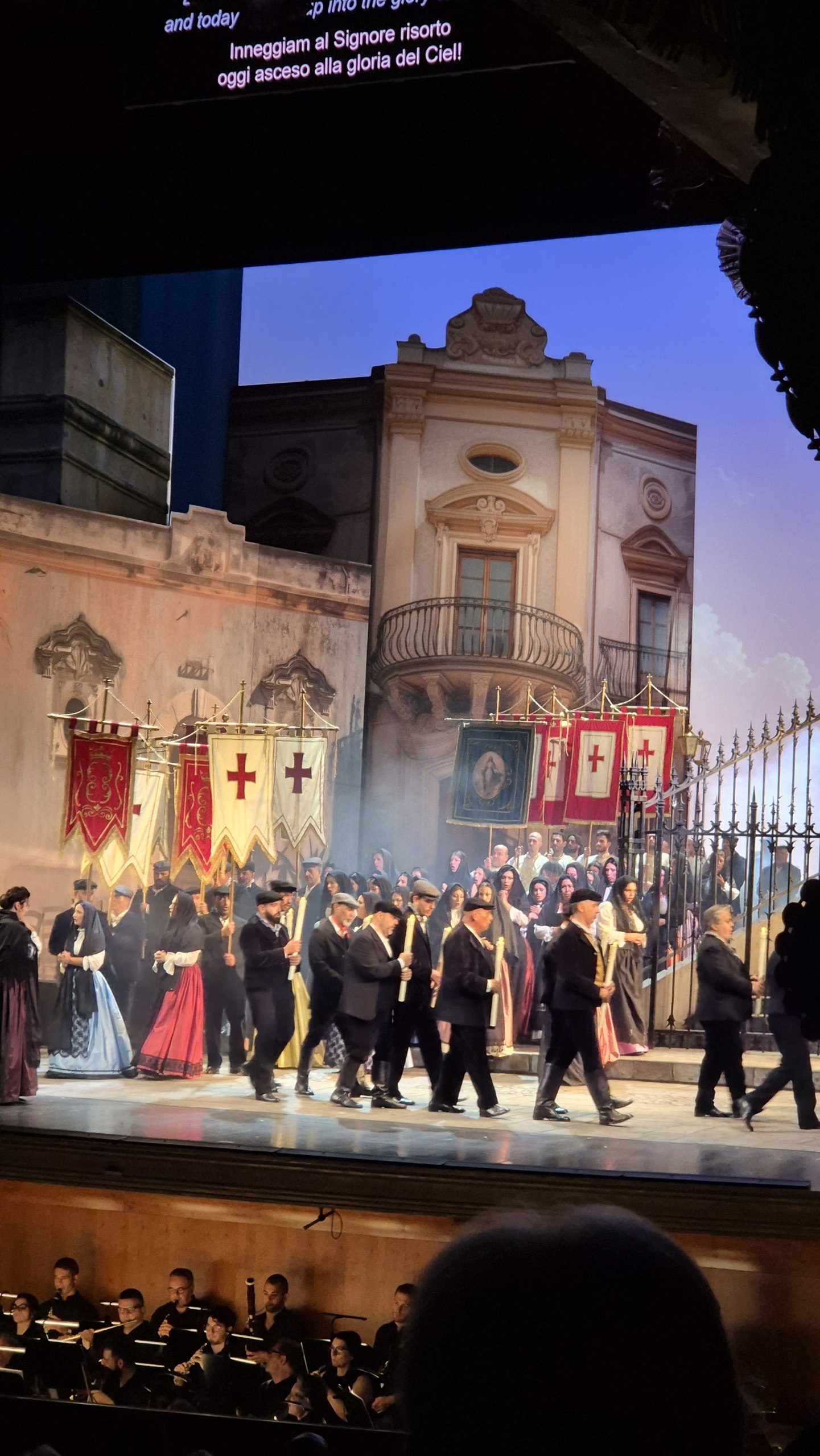
At around 17:00, we began getting ready for the evening. We had tickets for Cavalleria rusticana at Teatro Massimo.
Pietro Mascagni’s one-act opera premiered in Rome in 1890 and is set in a Sicilian village on Easter Sunday. Turiddu has resumed an affair with Lola, who is now married to Alfio. Santuzza, Turiddu’s abandoned lover, reveals the affair to Alfio, and everything proceeds towards the sort of ending one expects from an opera involving love, jealousy and wounded honour.
Watching an opera set in Sicily while travelling through Sicily seemed appropriate.
The performance started at 18:30. It was a new Teatro Massimo production directed by Marco Gandini and conducted by Gaetano D’Espinosa.
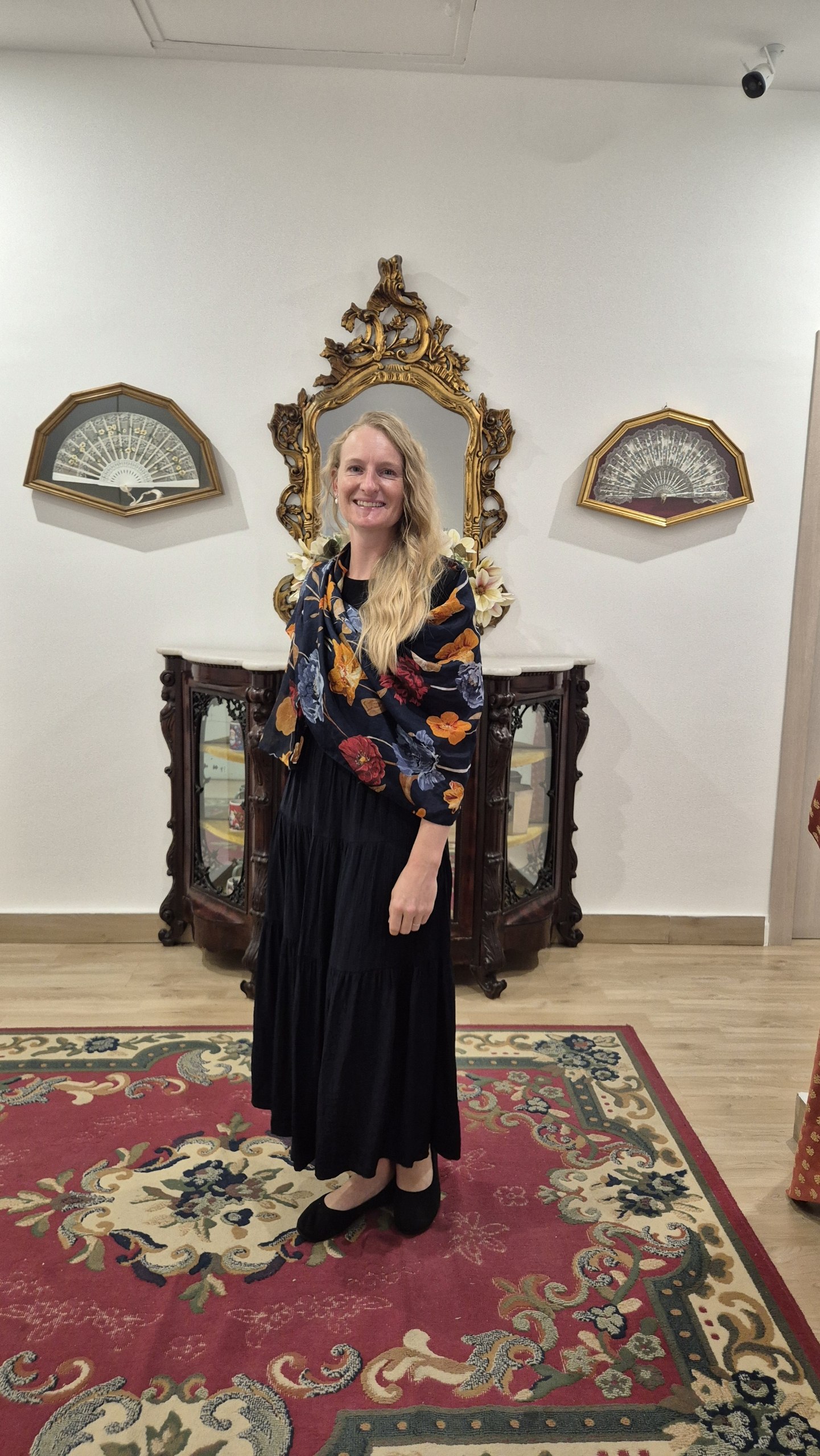
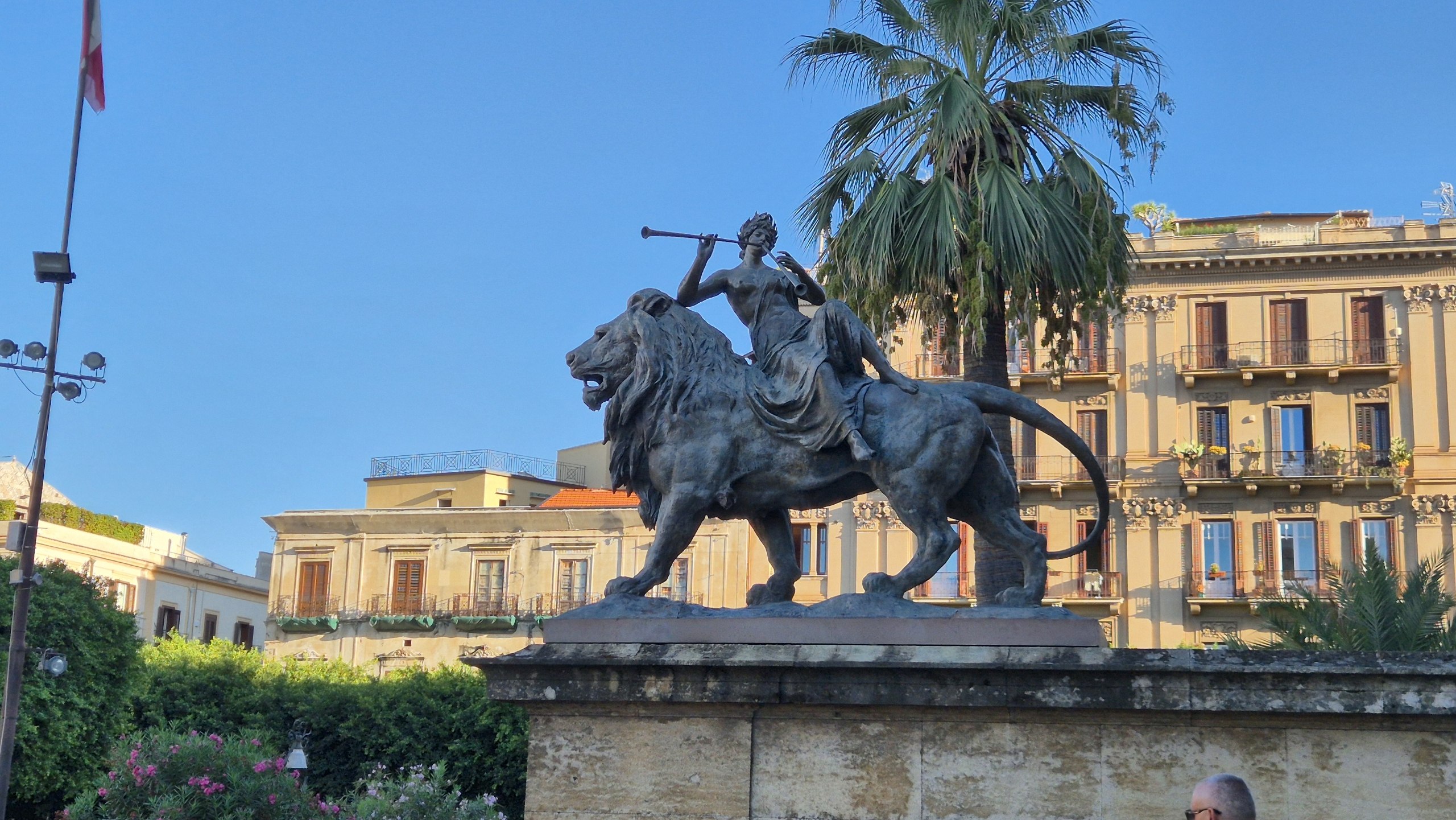
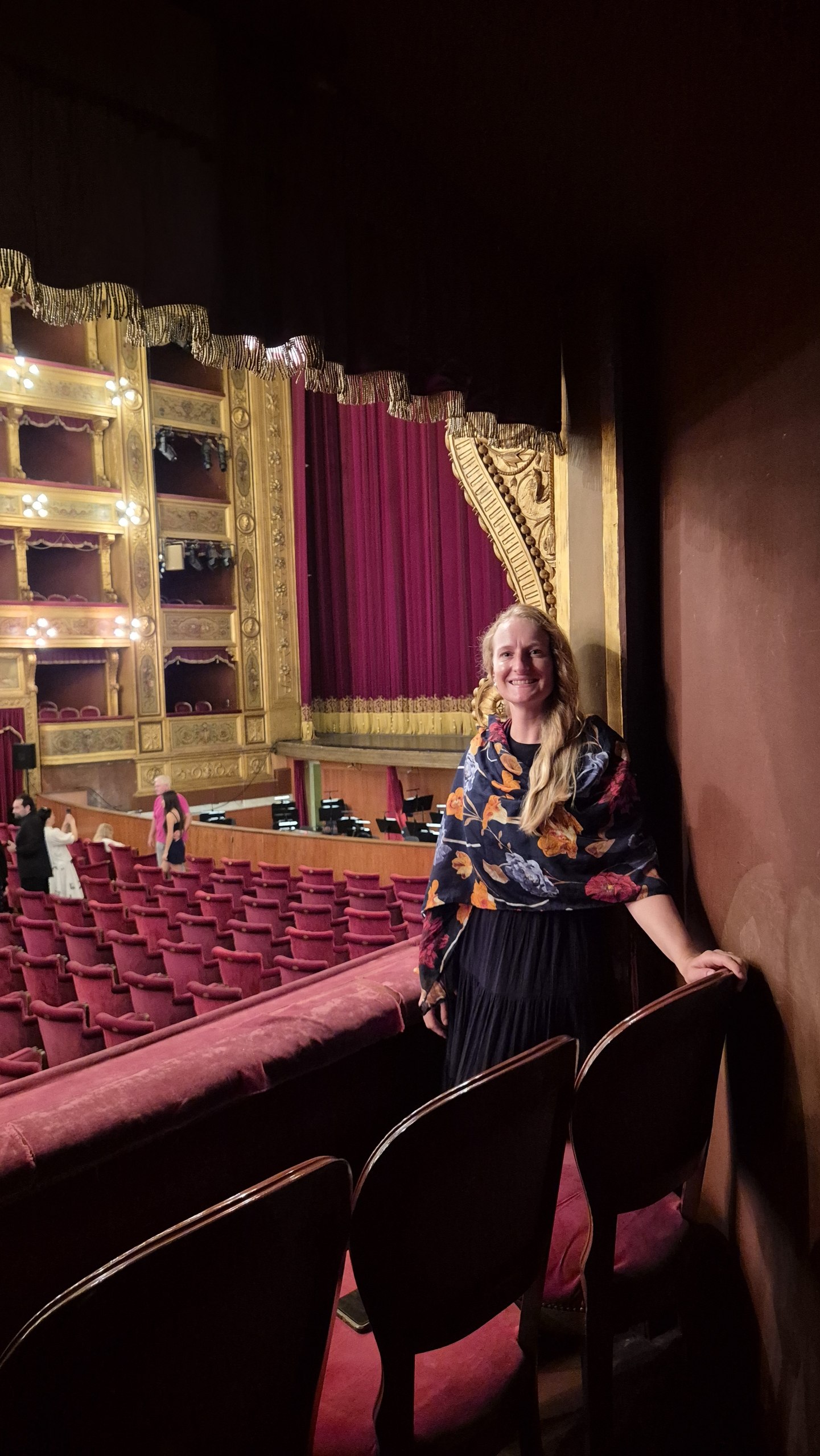
Before anything happened on stage, however, there was the theatre itself to look at.
Teatro Massimo opened in 1897 with Verdi’s Falstaff. At the time it was the third-largest opera house in Europe, behind those in Paris and Vienna.
The horseshoe-shaped auditorium has five levels of individual boxes and a gallery, all decorated with red velvet, gold details, pillars and statues. Above everything is the theatre’s eleven-petalled ceiling, known as the Symbolic Wheel. The painted panels also formed part of the original ventilation system and could be opened to release hot air.
It was one of those buildings where there was almost too much to look at before the performance had even started.
During parts of the opera, a thin lace-like curtain hung in front of the stage. The performers behind it appeared softened, almost as if we were watching them through an old curtain hanging in a window. It gave those scenes a faded appearance.
The opera itself only lasts a little over an hour, making it a good first opera for us to attend in such an impressive theatre.
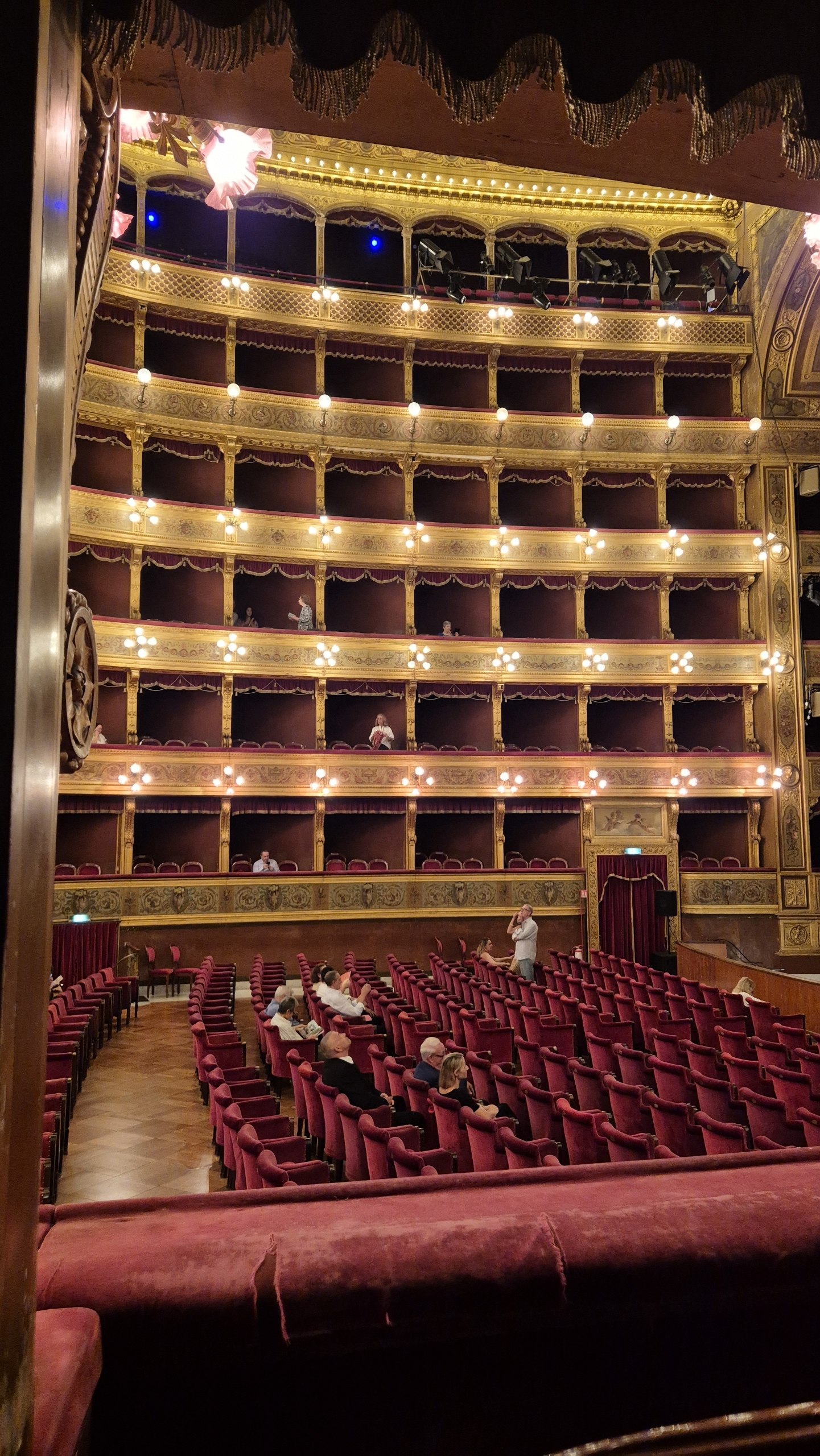
Afterwards we went to one of the restaurants we had noticed while exploring the previous evening.
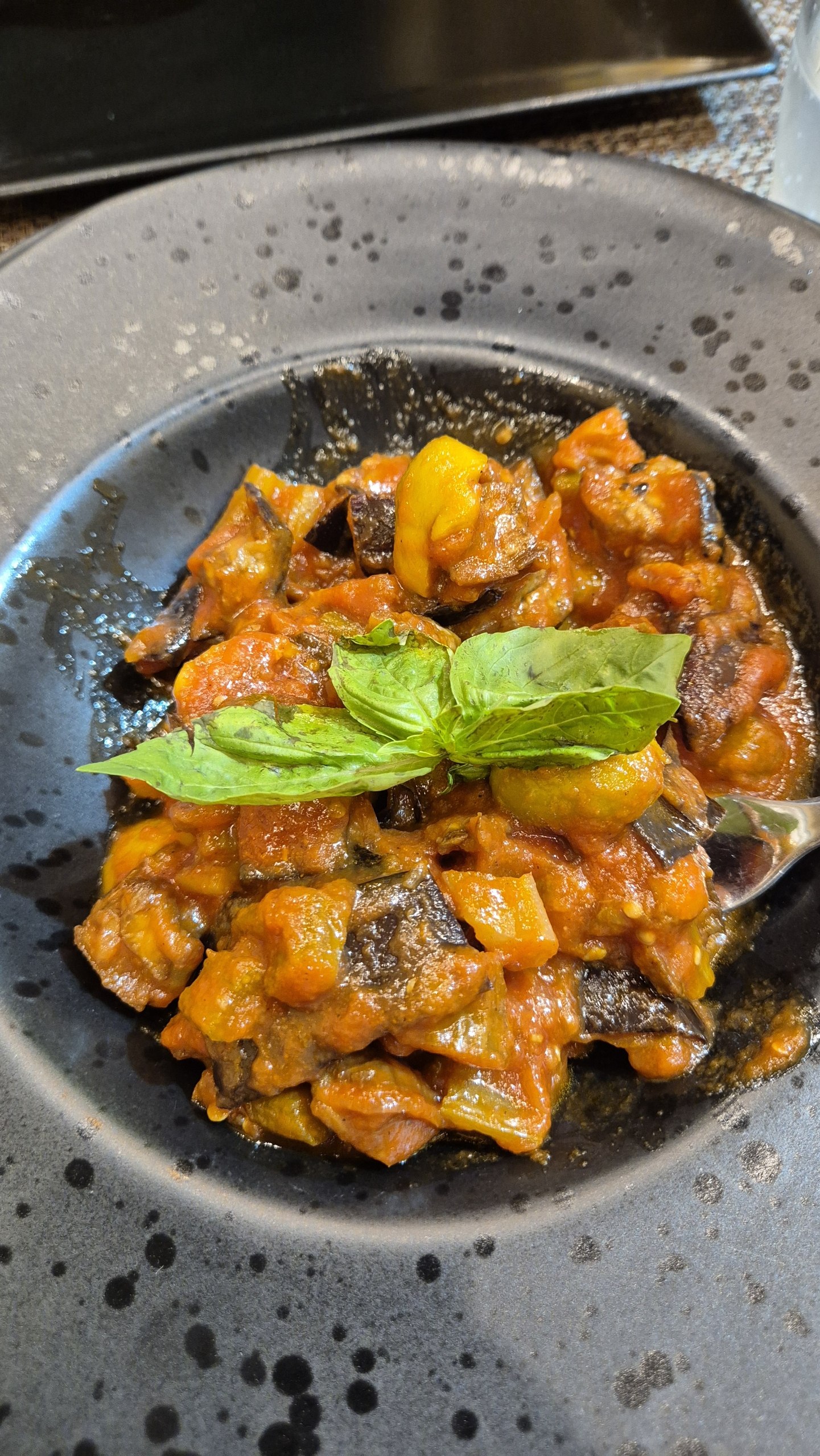
We started with caponata, another Sicilian dish we had not yet tried. It is made mainly from aubergine, tomato, celery, olives and capers, with vinegar and sugar producing its sweet-and-sour flavour.
What we had not realised was that it is normally served cold or at room temperature. The fairly large plate of cold vegetables that arrived was therefore a bit of a surprise.
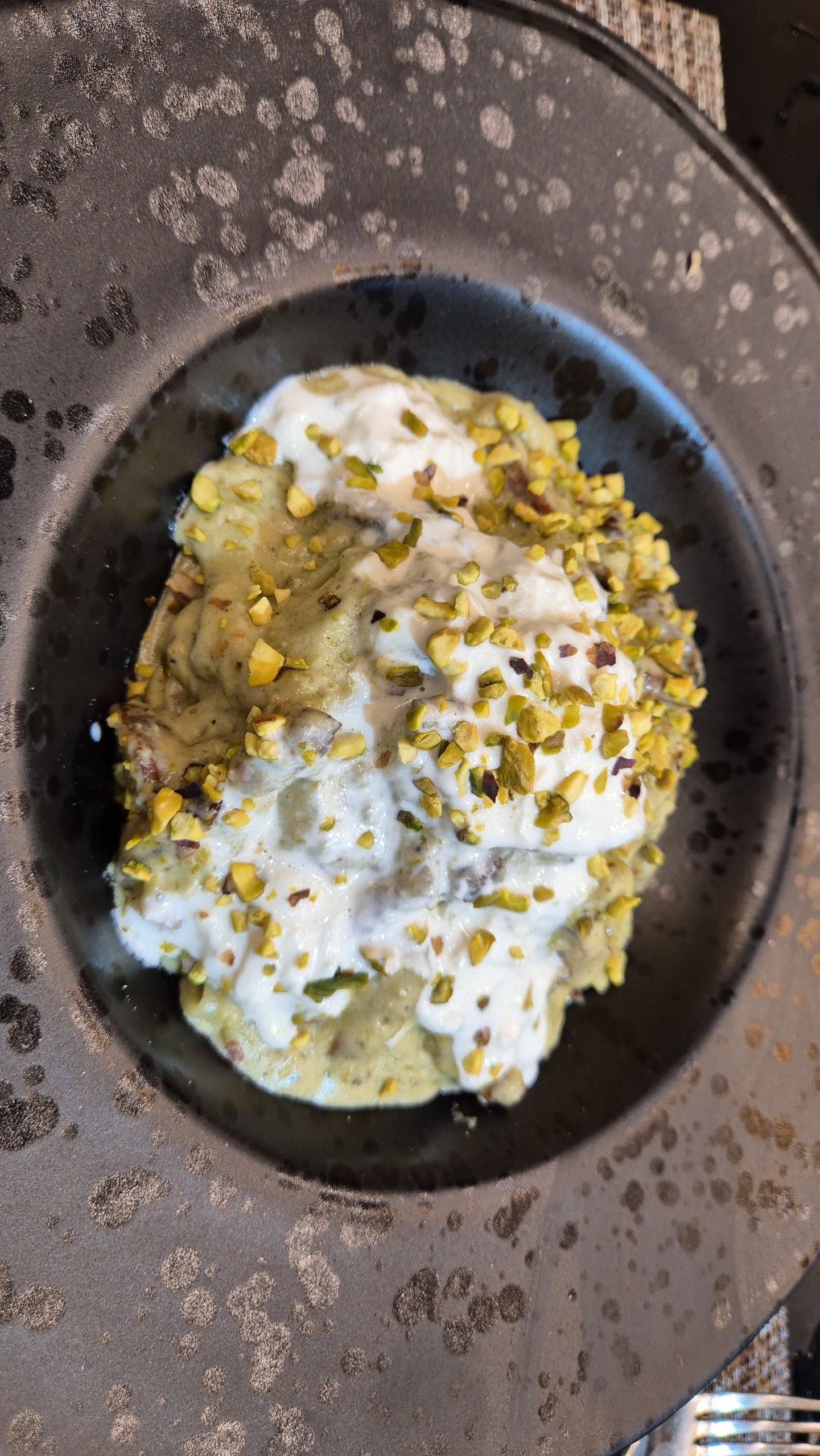
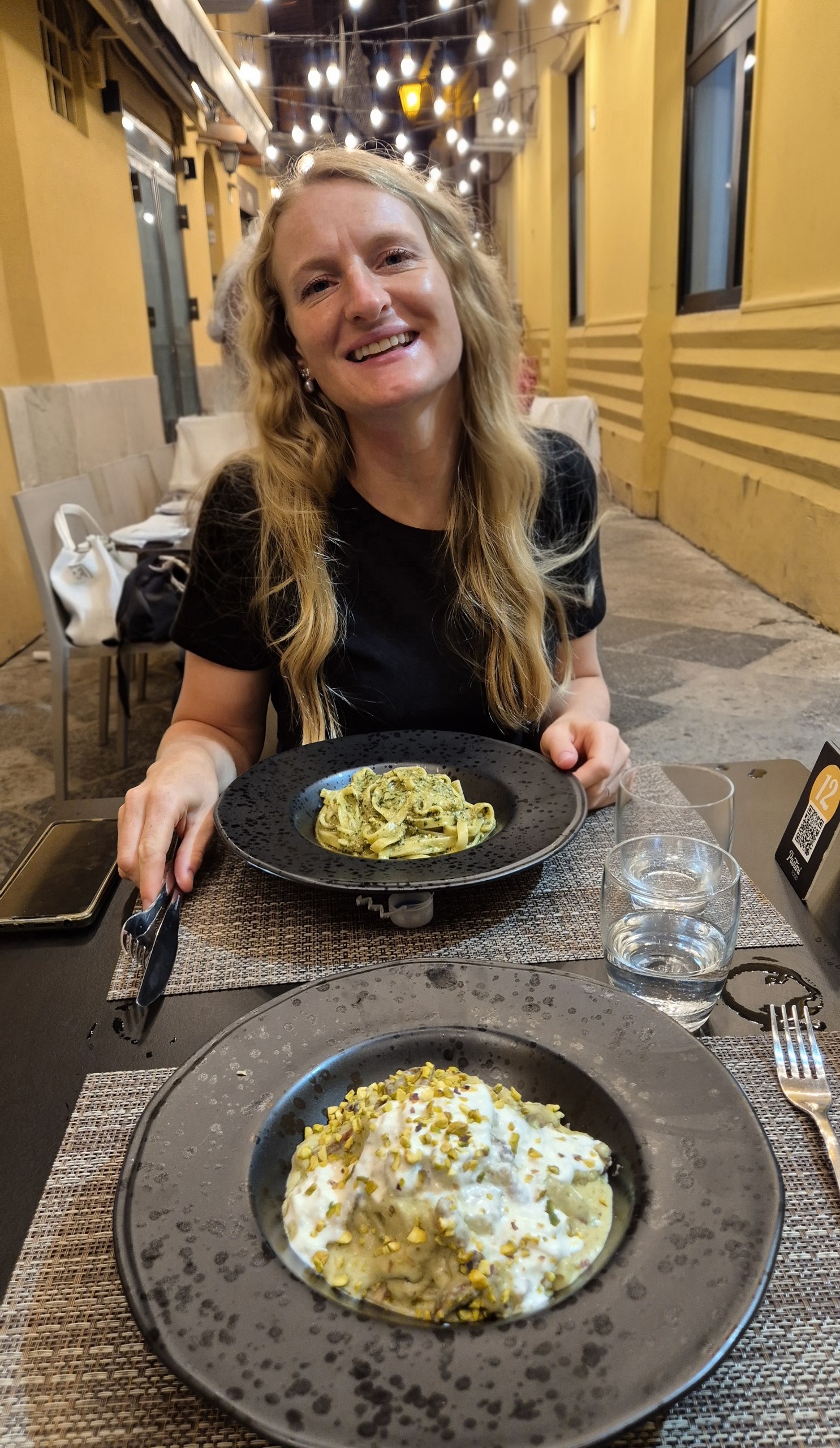
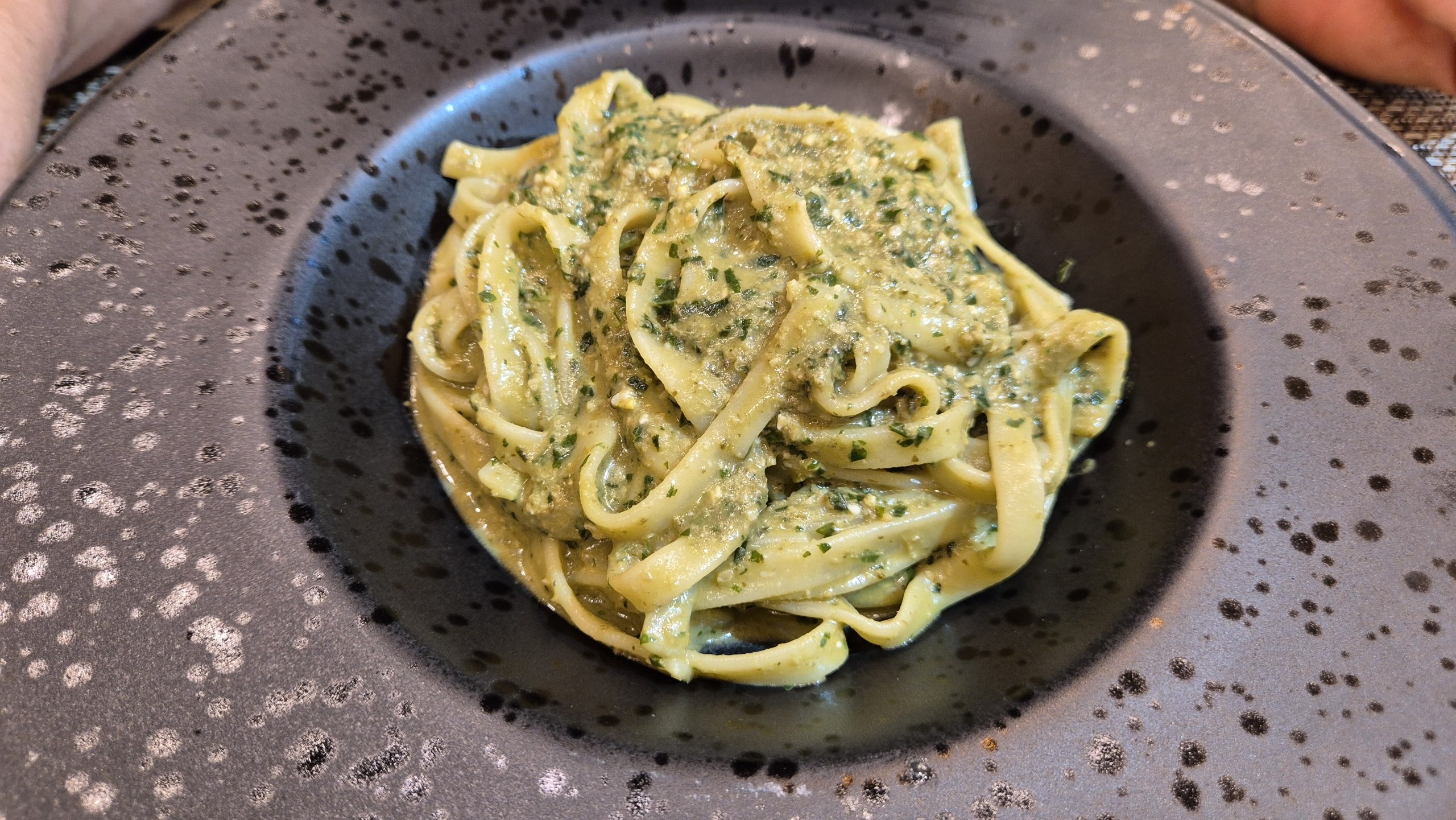
For mains, Caro ordered pasta with basil pesto, while Hugo chose pasta with Sicilian pistachio pesto.
Both were good, with properly cooked pasta. The pistachio sauce was particularly rich and creamy—much heavier than the basil pesto, but very good.
After dinner we walked back to the guesthouse and went to bed.
Leave A Comment