
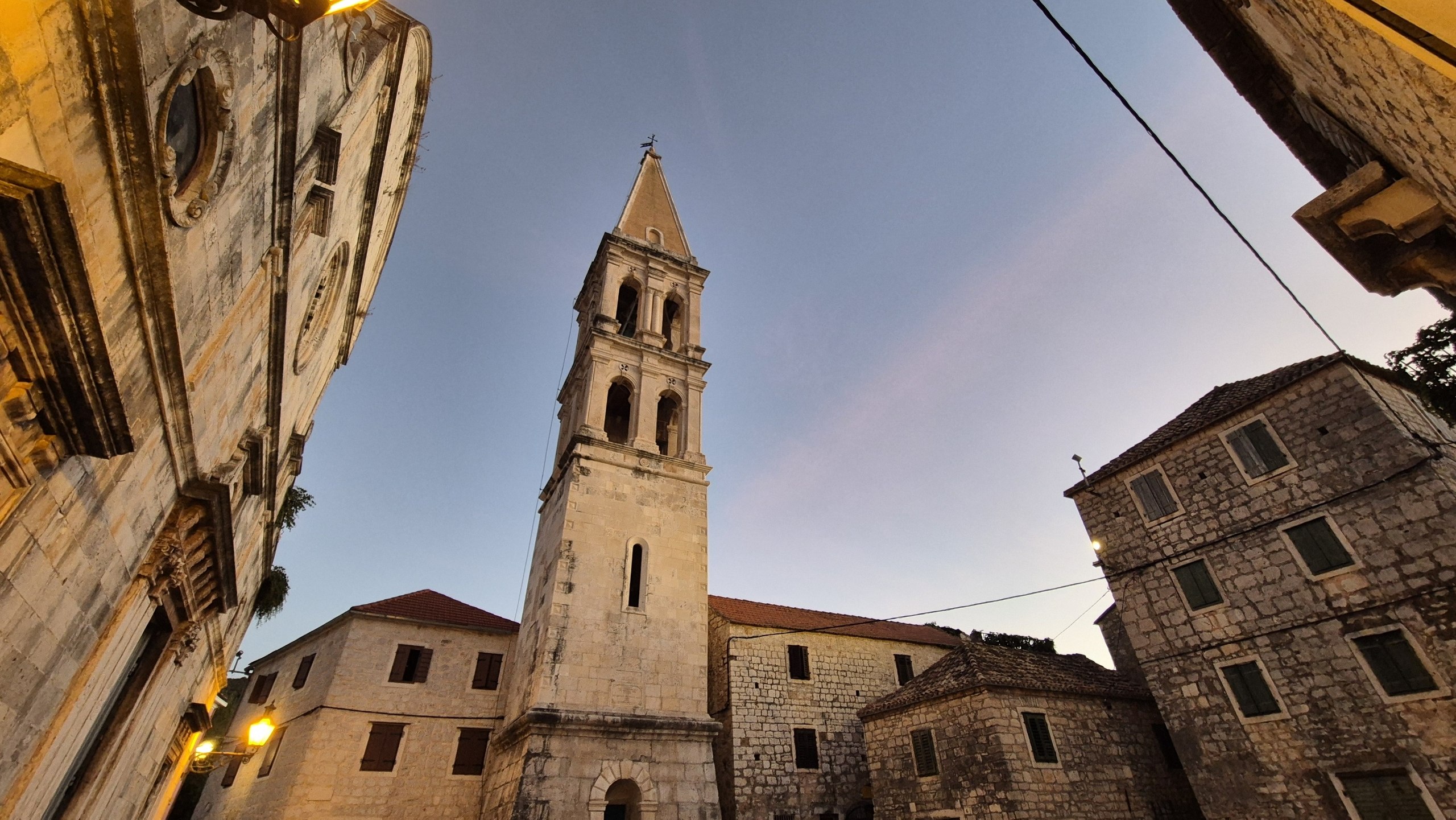
Before setting off for Hvar, we allowed ourselves a late start. We had breakfast in the room—bread with cheese, salami and tomatoes—then packed and were walking towards Split’s ferry port by 10:00.
Our route took us through the market, where we stopped for some people-watching before deciding that it might be wise to locate the correct boarding point.
We followed signs for Stari Grad until we reached a huge ferry. Hugo showed our ticket to a staff member and asked whether we were in the right place. The man nodded and pointed at the ship in front of us.
There was just one problem: the sign clearly said it was a car ferry, while our ticket was very clearly for a passenger-only ferry.
Not entirely convinced by the confident nod, Hugo summoned our trusted travel genie: George, Hugo’s personal AI assistant (who also proofread this post—Ed.). George confirmed that we were indeed in the wrong place. How did people even travel before AI?
We walked all the way back to our original spot on the pier and found our ferry already waiting there. Ten minutes later we were boarding.
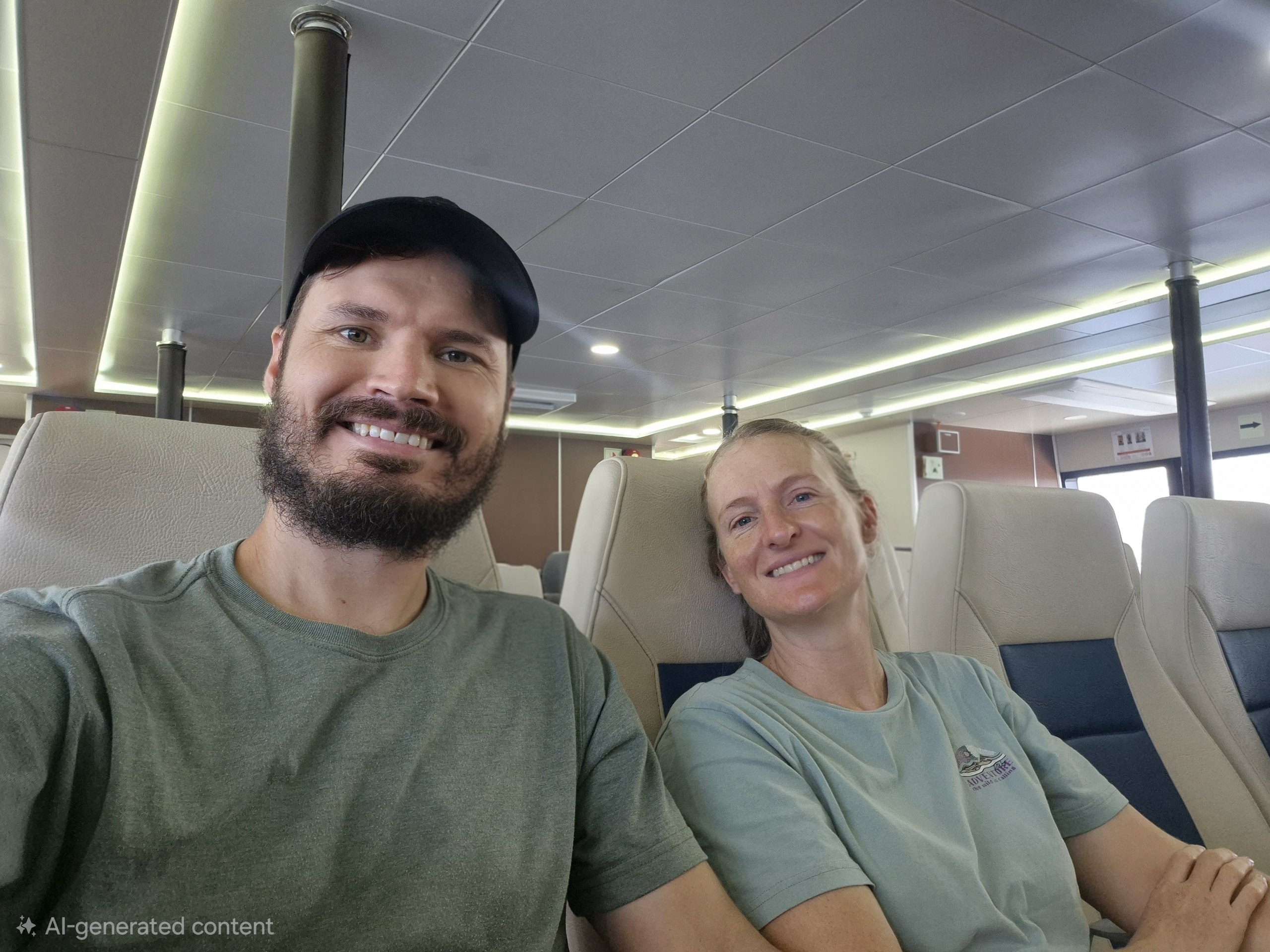
We left Split at 13:00 and arrived at Stari Grad at 14:00. A bus was waiting at the ferry terminal, and €3 each carried us into town.
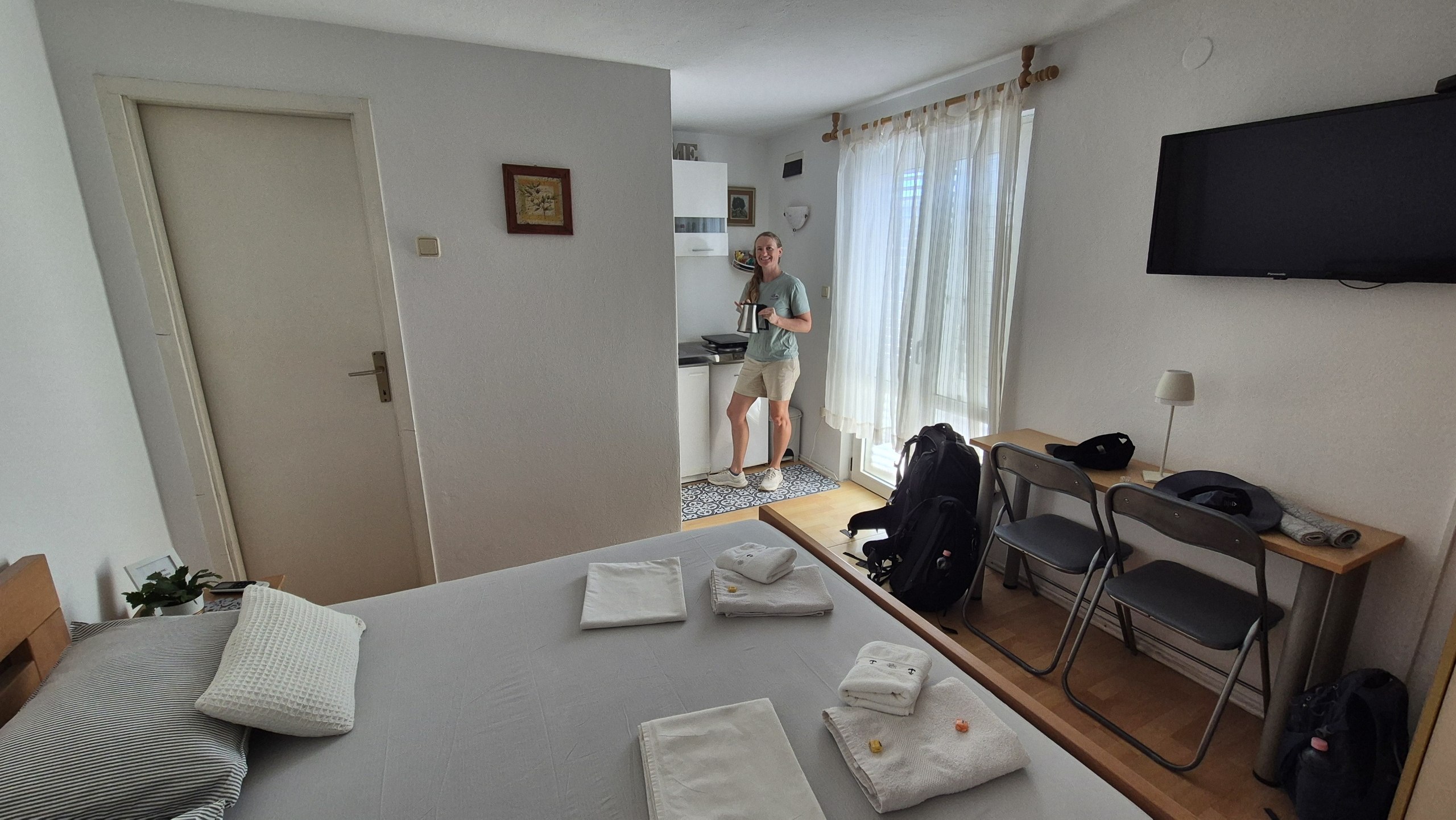
We checked in, dropped our bags and immediately went around the corner to the Tommy supermarket.
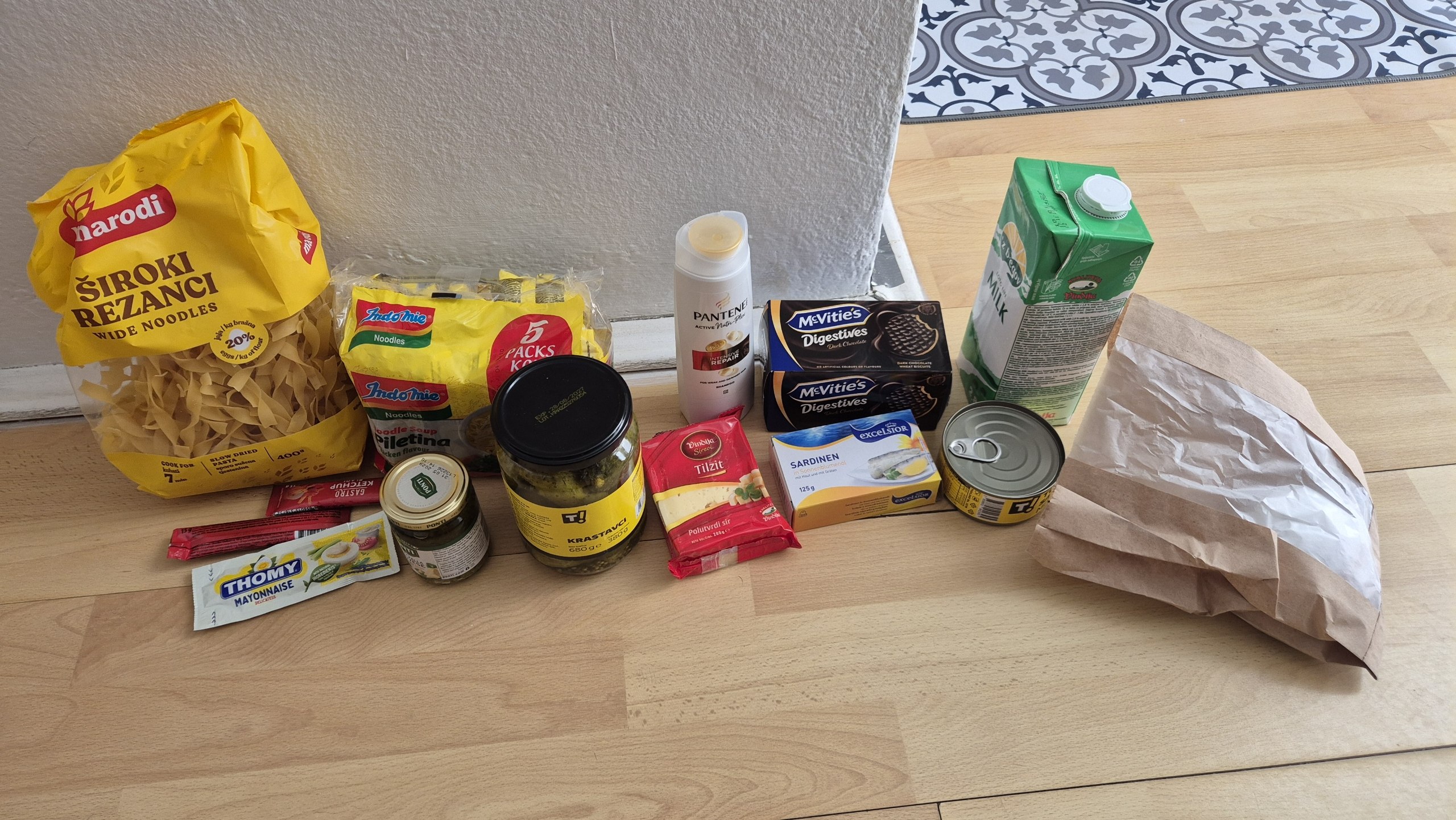
We bought a few things for the next few meals, as we would be staying for three nights.
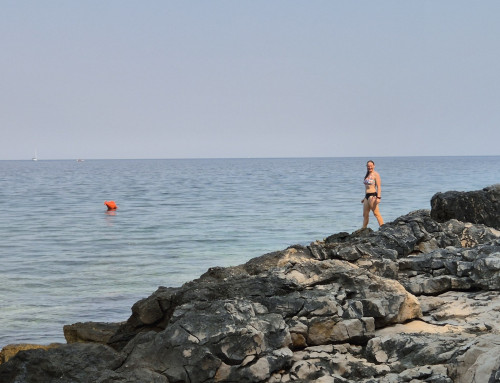
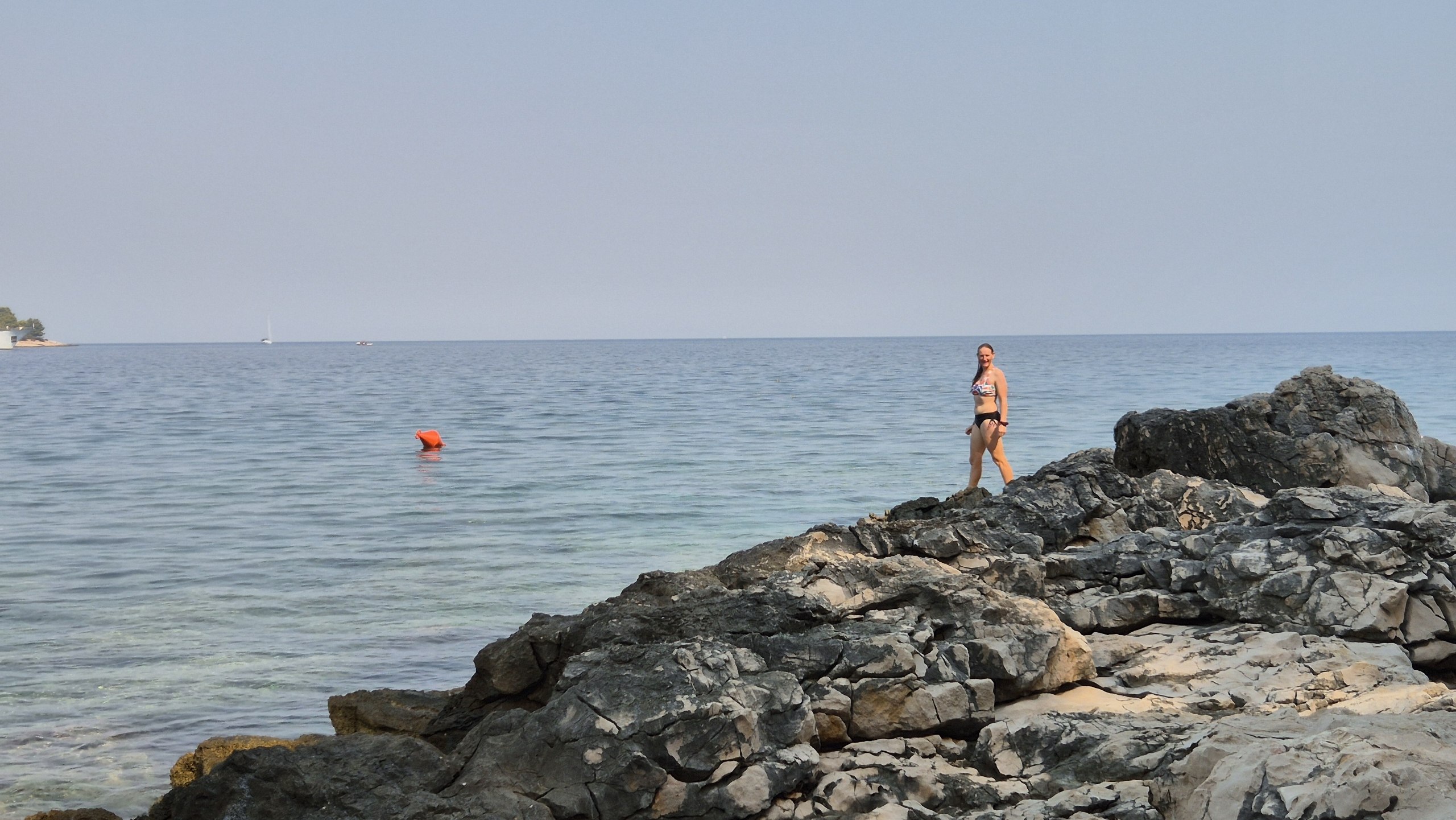
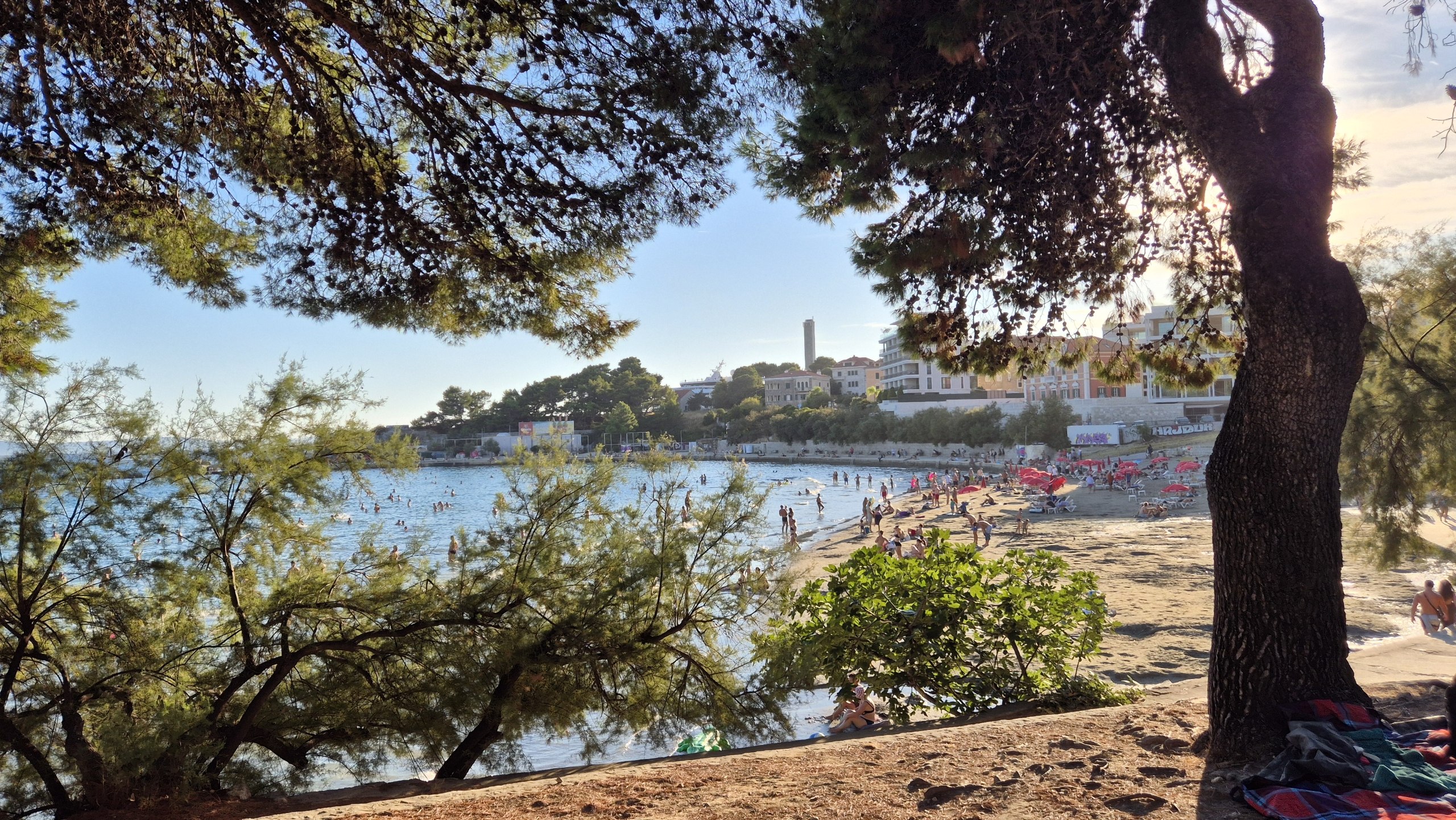
In the late afternoon we walked to the swimming spot at the end of the harbour and enjoyed a long, peaceful swim.
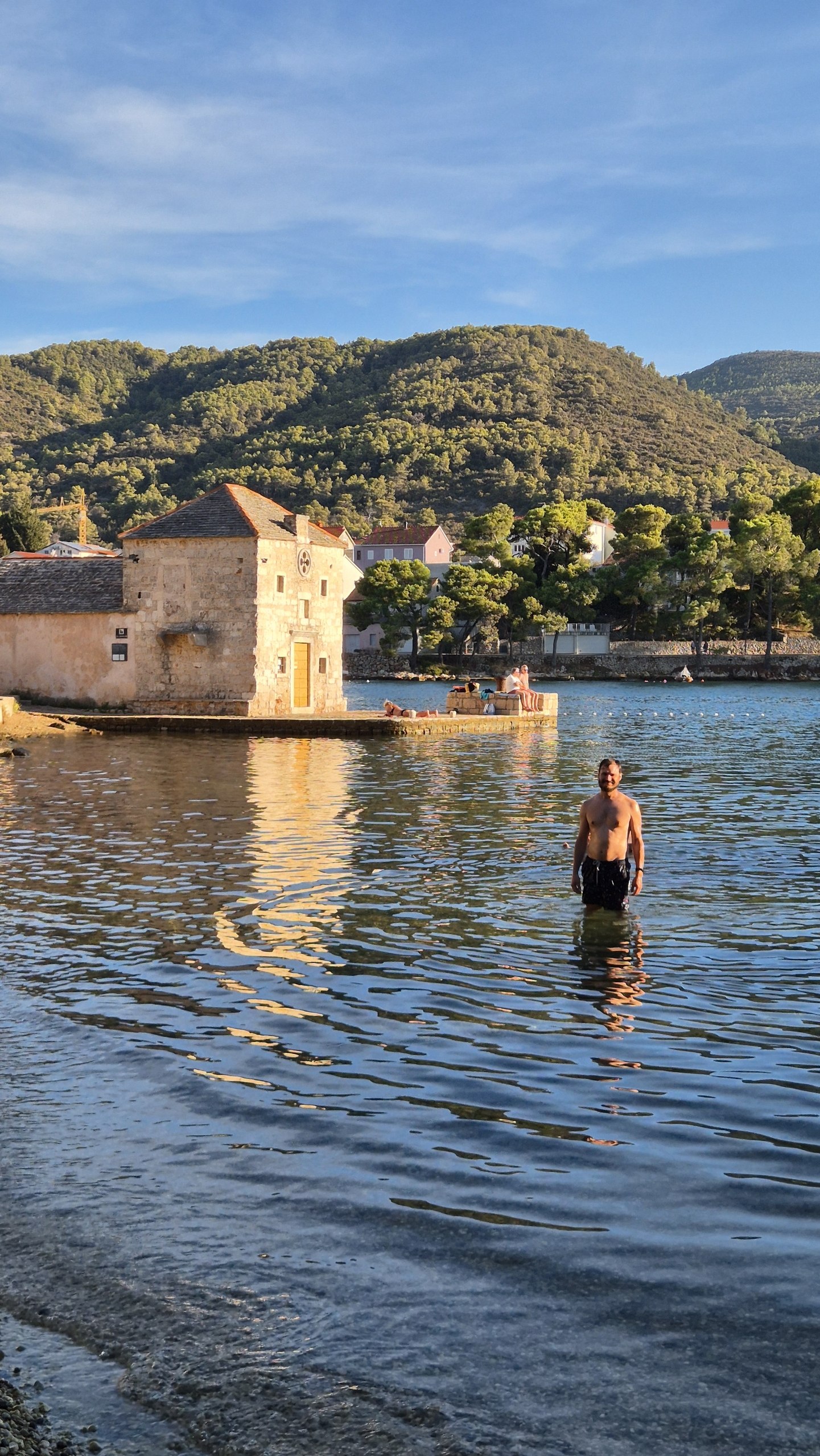
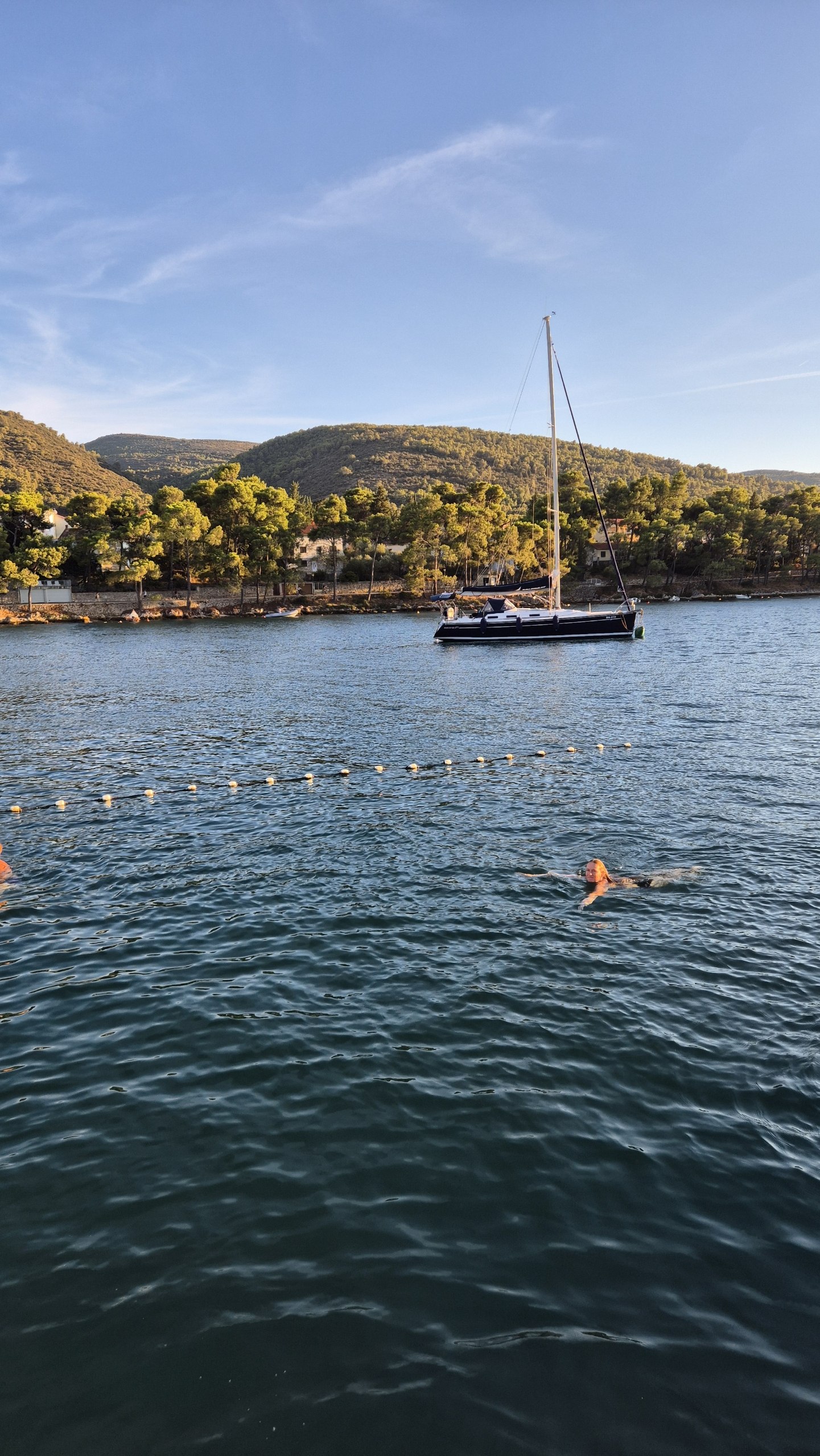
With the last of the sunlight, we set off on a miniature exploration of the stari grad of Stari Grad. The repetition is real: Stari Grad literally means Old Town, so we were exploring the old town of Old Town.
The name is well earned. Greek settlers from the island of Paros founded a colony here in the fourth century BC and called it Pharos. The fertile plain beside the town still preserves much of the geometrical field system they laid out roughly 2,400 years ago, and olives and grapes have been grown there ever since.
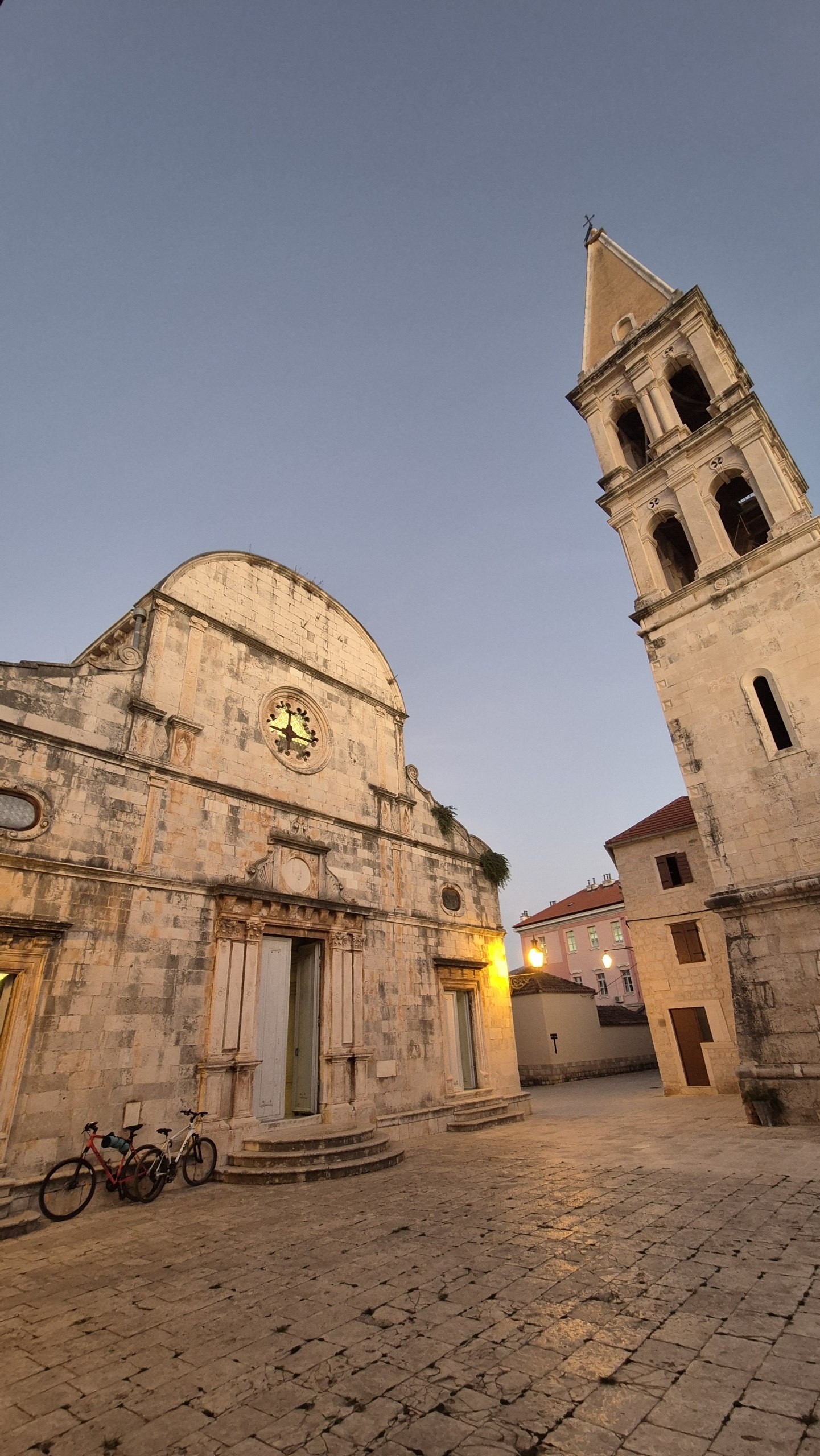
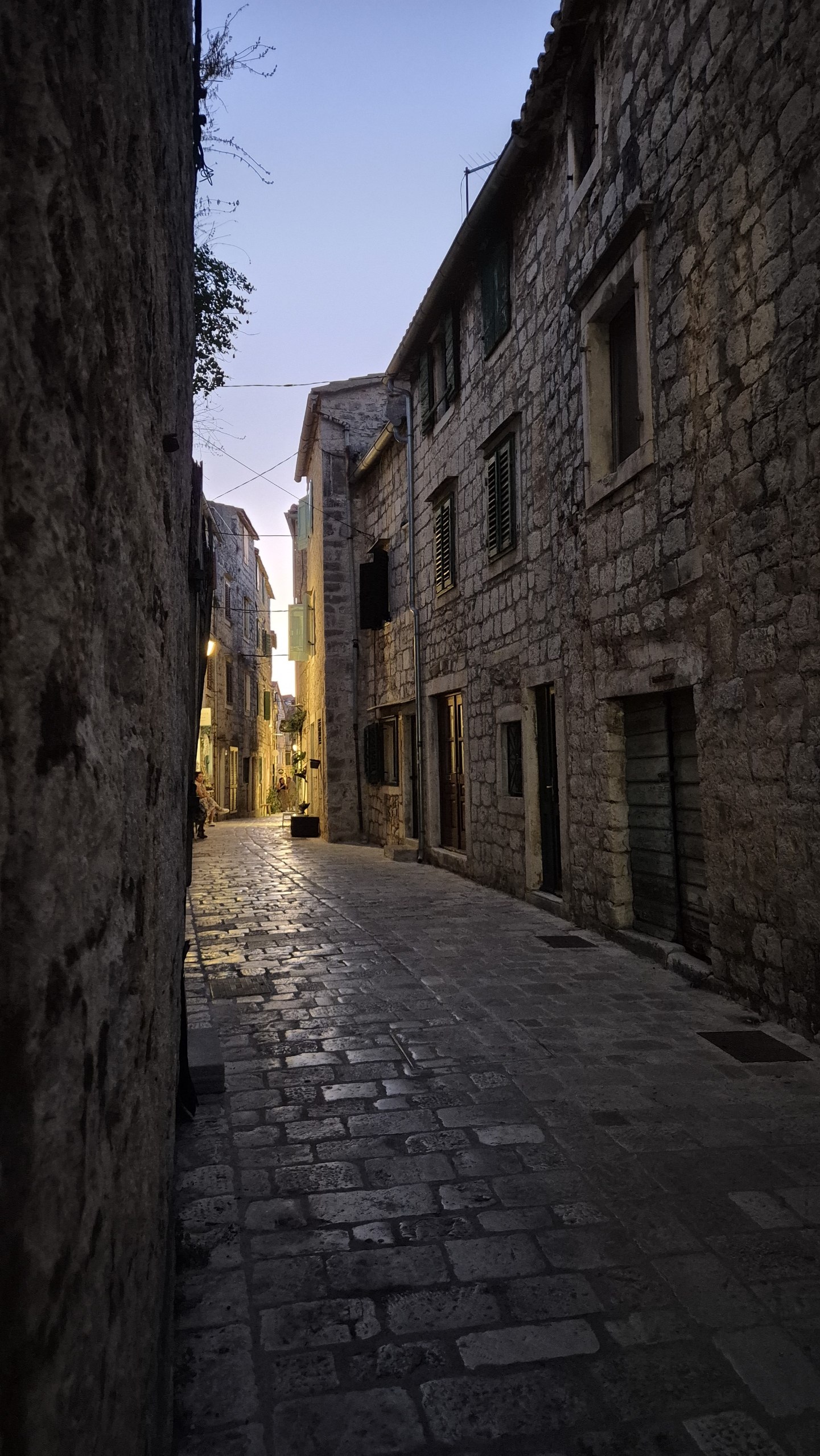
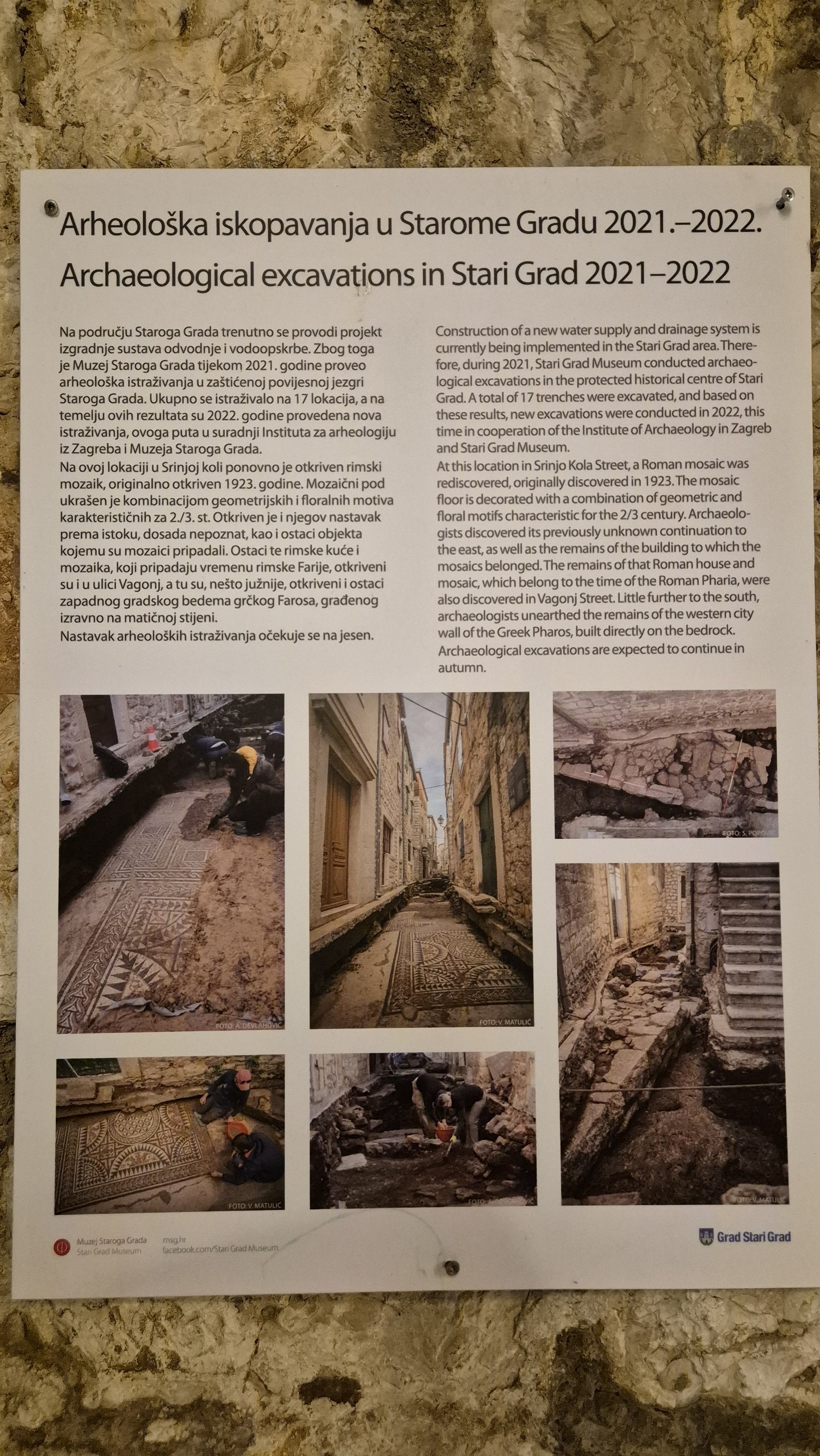
The layers are still being uncovered. A sign in one of the lanes described recent excavations that rediscovered a Roman mosaic first found in 1923, along with remains from the Roman town and traces associated with the older Greek Pharos.
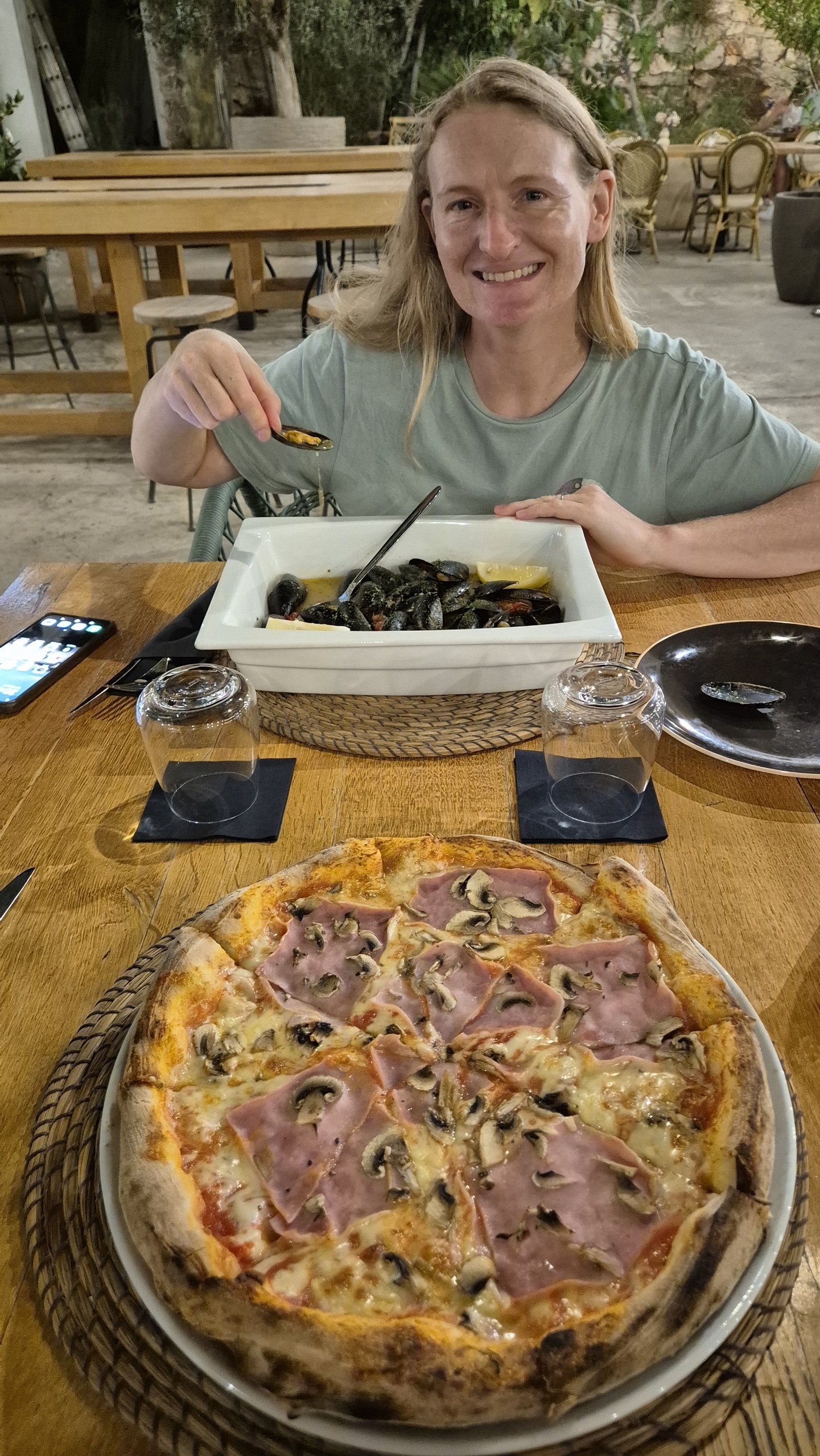
We had planned to cook at the apartment, but Hugo suddenly suggested going to a restaurant instead. Hugo ordered pizza, while Caro finally got the enormous bowl of mussels she had been wanting for some time.
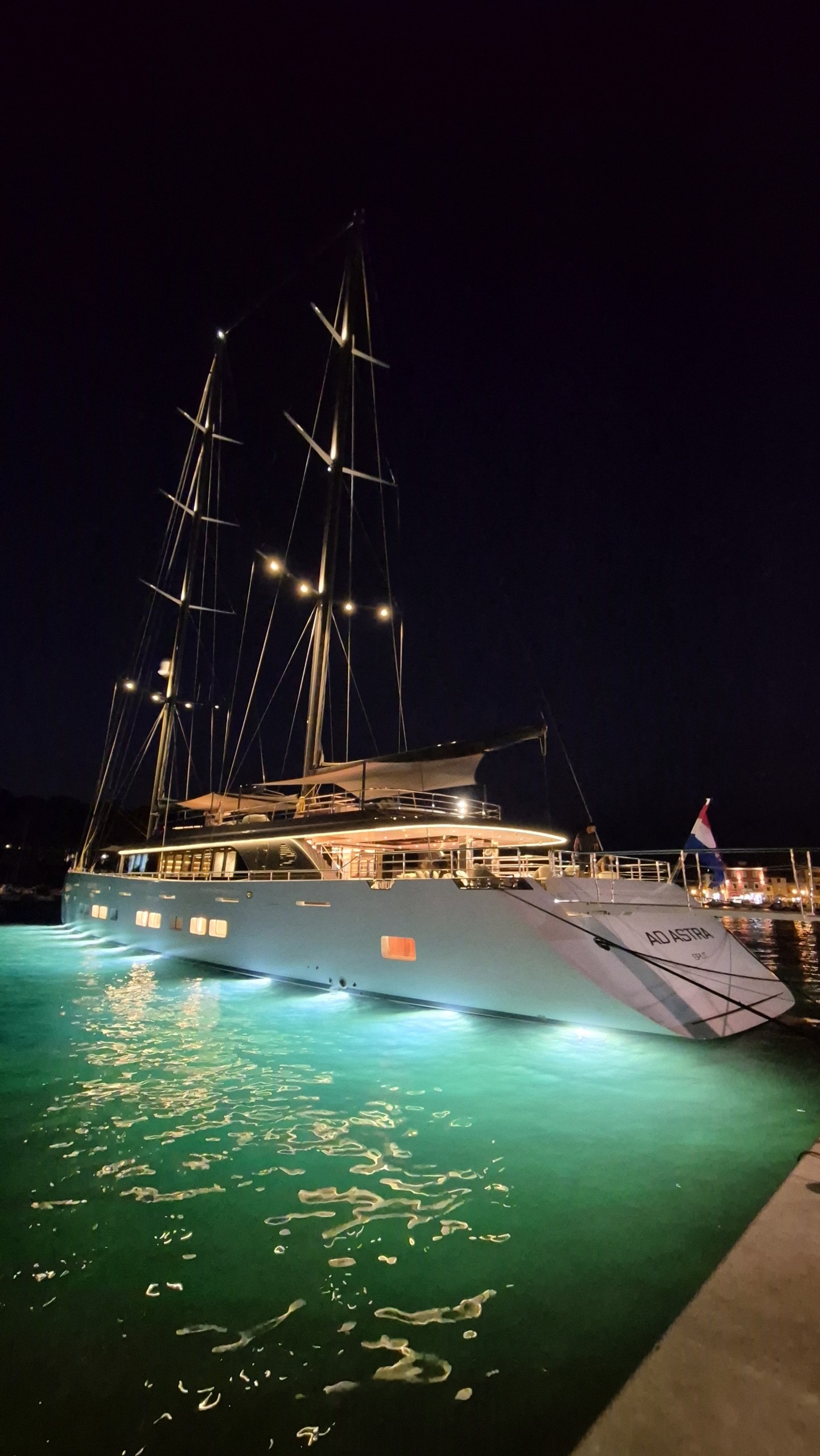
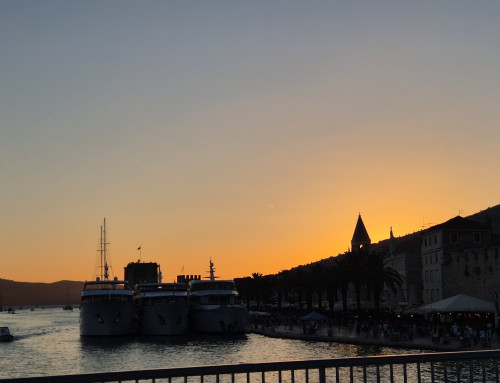
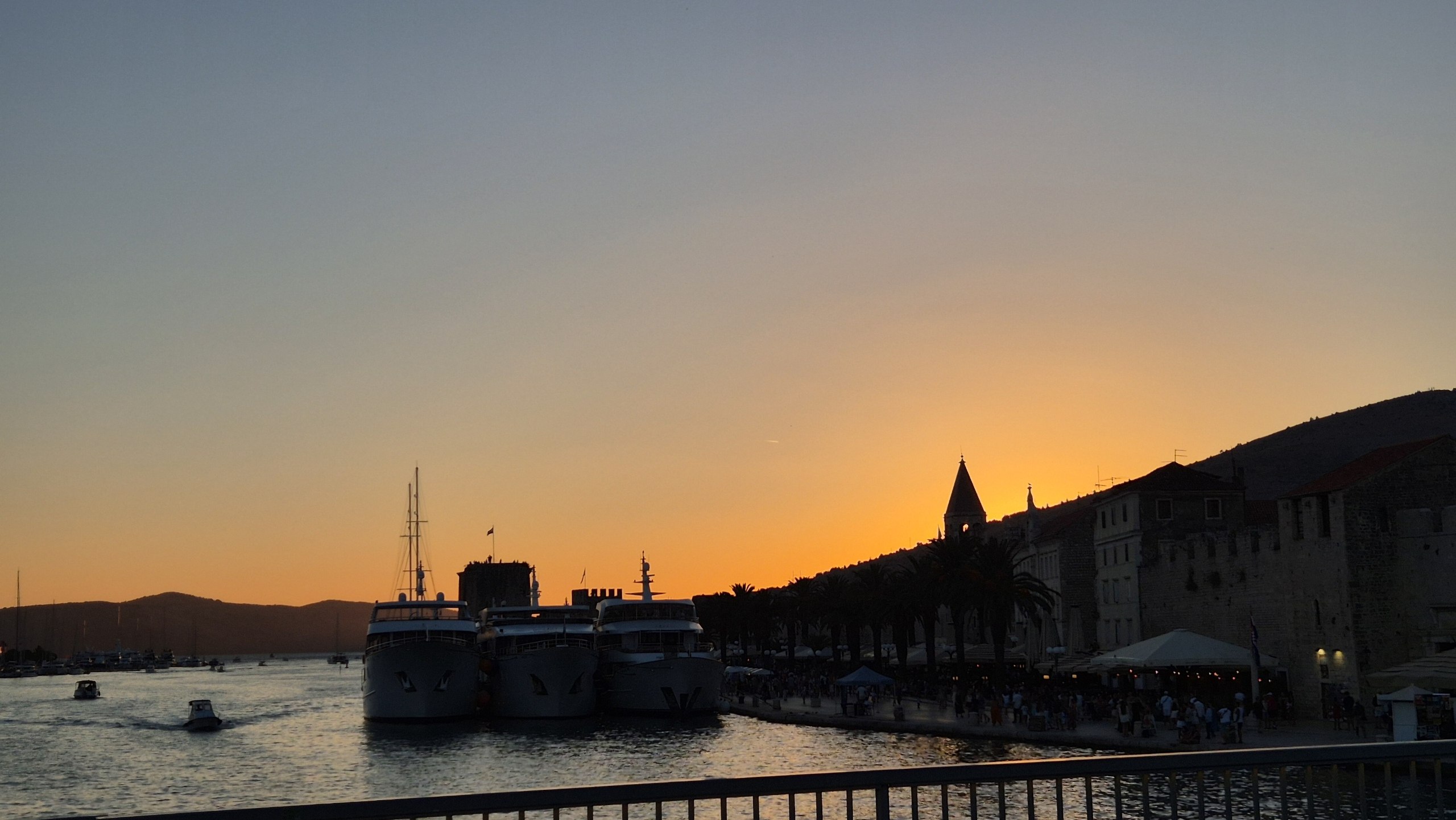
The harbour then provided a spectacle of its own. The 52.5-metre charter yacht Ad Astra arrived and seemed to occupy almost the entire width of the harbour. It took ages to manoeuvre into place while half the town stood watching, trying to work out who might be aboard—and who could afford the roughly R3.4 million cost of chartering it for a week.
While we were eating, beautiful operatic music began drifting across the town. Two singers were performing in the square as part of the summer festival, so after dinner we found seats and stayed for the show.
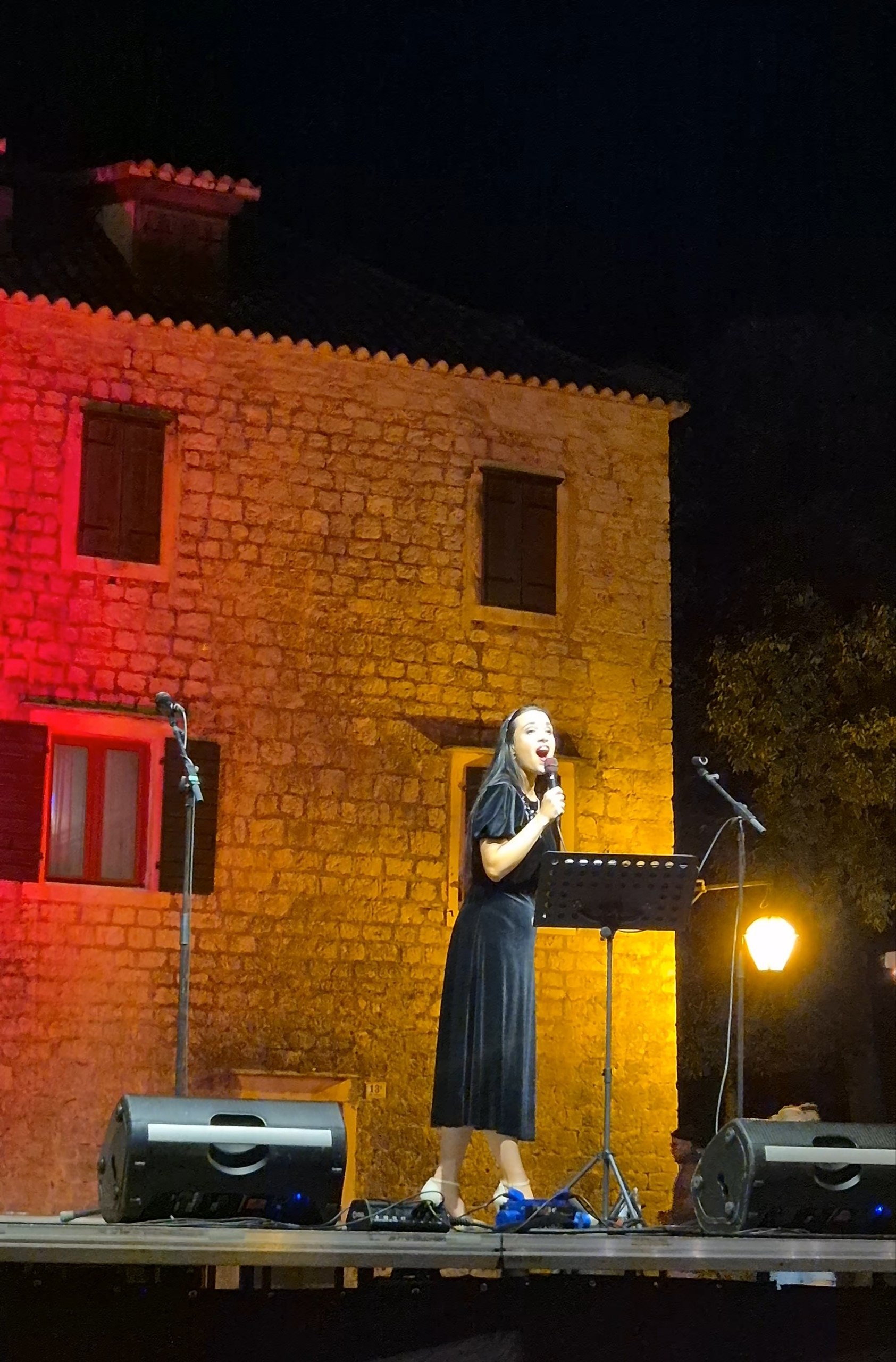
They mixed opera with old Croatian favourites, and when the familiar songs began, the crowd joined in. It was an entirely unplanned and rather lovely ending to our first evening in Stari Grad.
Leave A Comment