
We got up at 06:30 again and had coffee. A litre of milk — tej in Hungarian — cost only about R10.
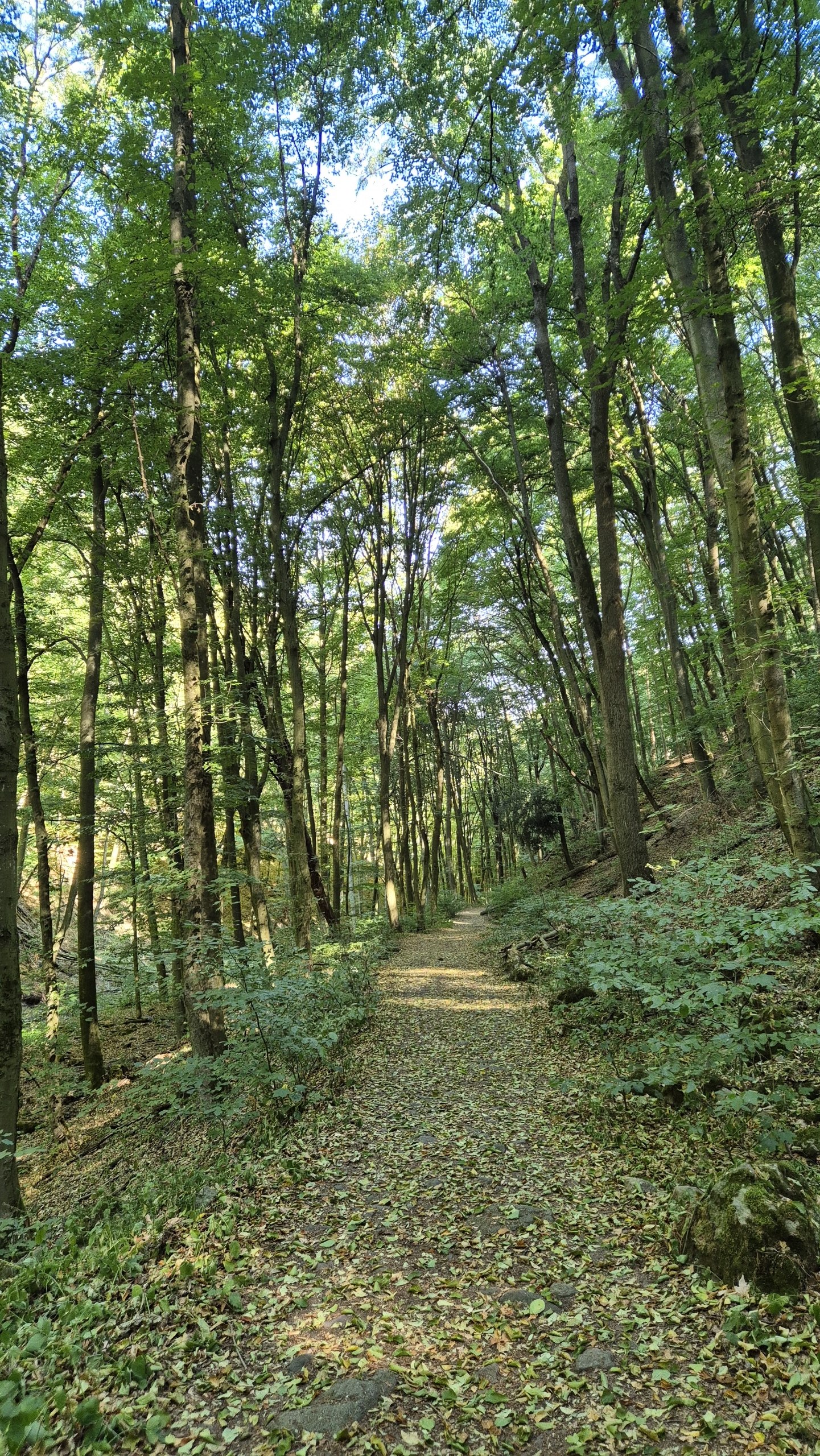
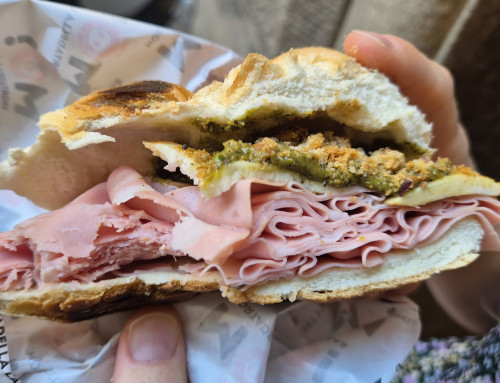
We packed our daypacks and set off on one of the many local trails, following the red marker all the way to Pilisszentlászló. We stopped for cheese and salami buns beside a natural spring. At first we were not sure whether the water was safe to drink, but then someone arrived and filled several large jars. That was good enough for us, so we drank some too.
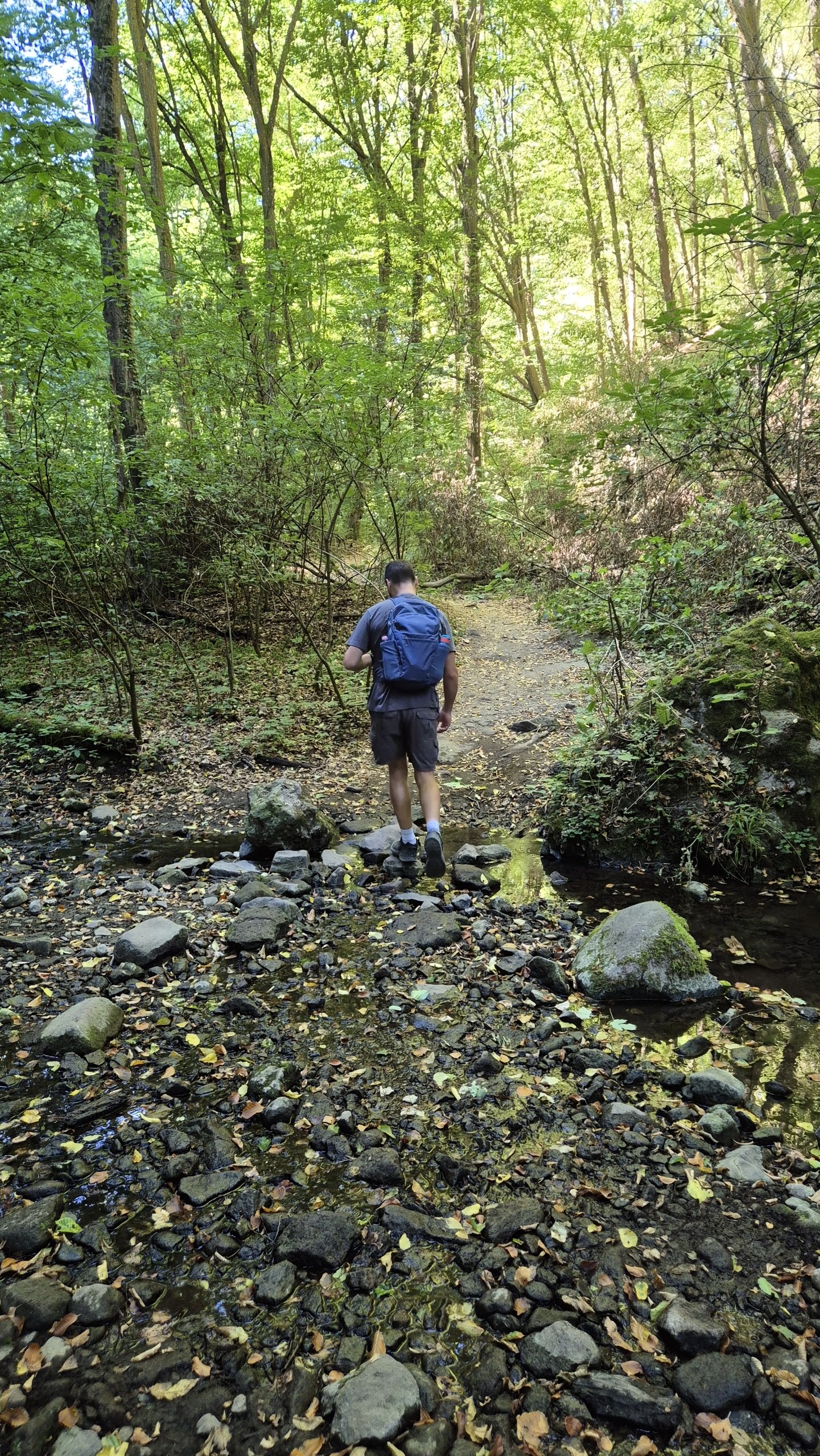
The surrounding hills also carry the Pálos Way, a modern pilgrimage route created by the Pauline Order. The order itself began in Hungary around 1250, bringing local hermits together into a religious community. The Visegrád route is called the Way of Love and links forest paths, former monastic sites and Pilisszentlászló. We were not doing the pilgrimage, but it was an interesting extra layer beneath an ordinary day hike.
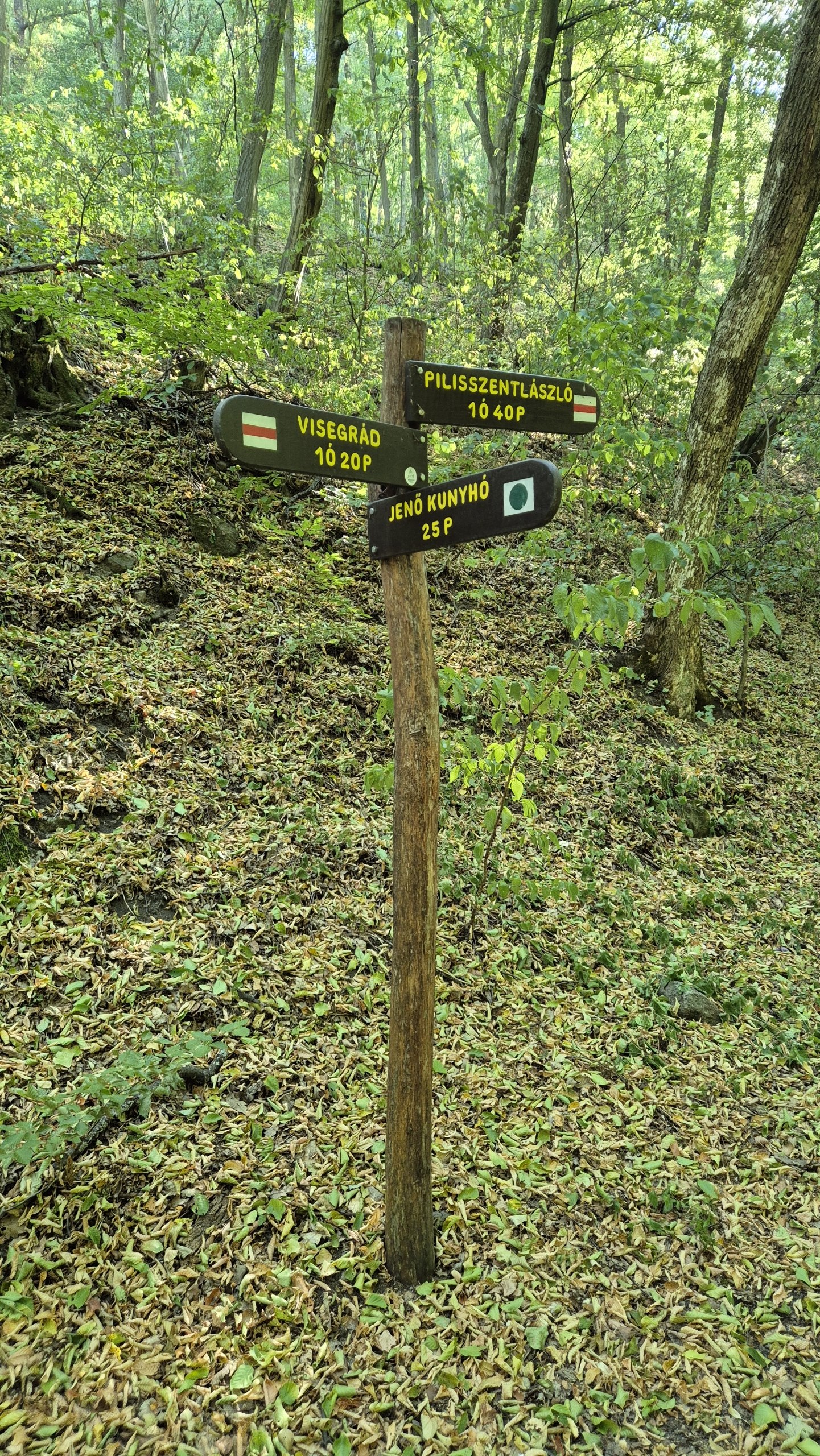
In Pilisszentlászló we bought soft-serve ice cream and waited for the 870 bus to Szentendre. One particularly generous quirk of Hungarian public transport is that anyone over 65 travels free, regardless of nationality, as long as they can show suitable photo identification.
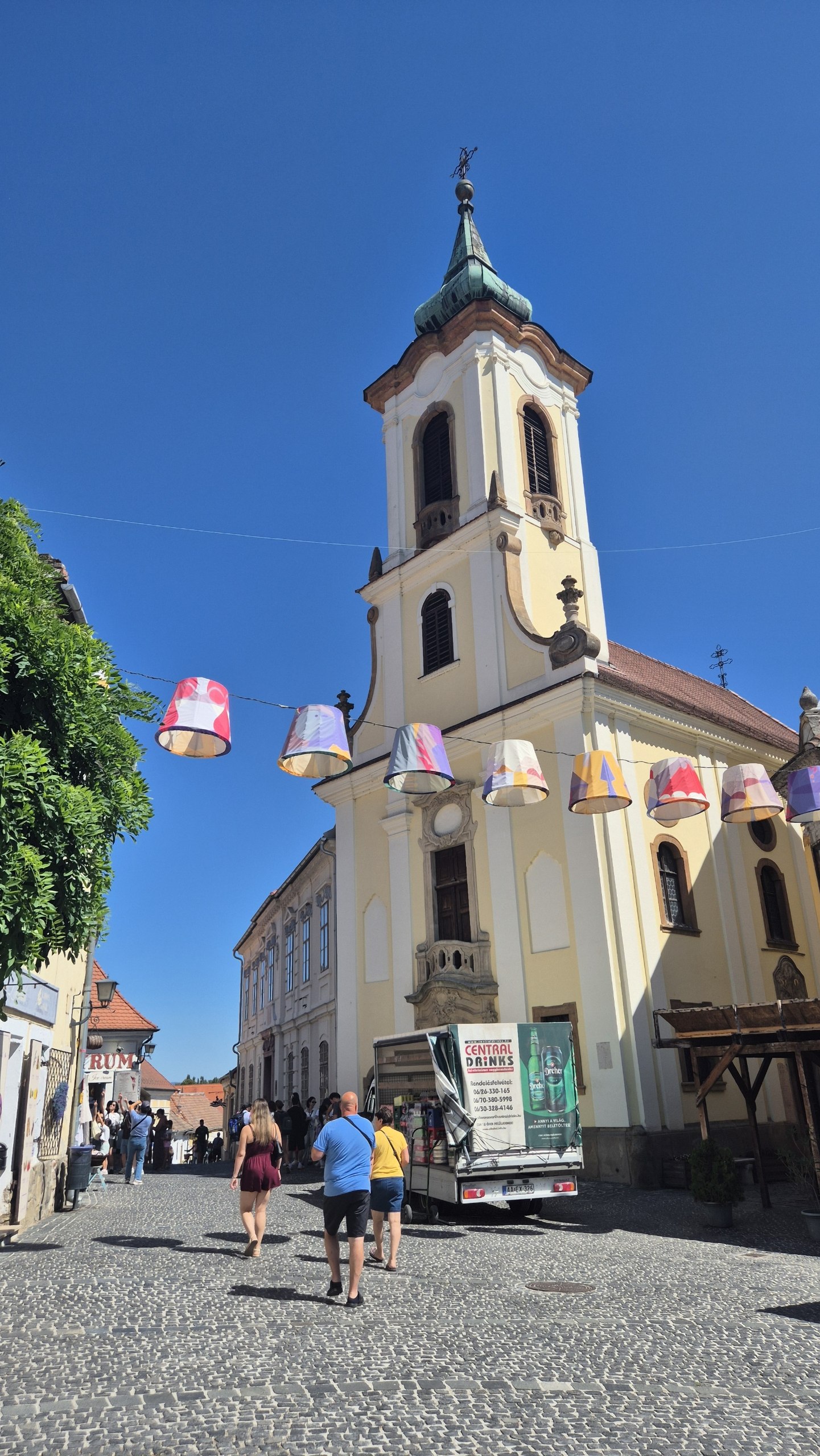
We had a 50-minute layover in Szentendre, so we speed-walked through the quaint old town with its cobbled streets and little shops, then caught the 880 bus back to Visegrád.
For lunch we ate more of the eight-egg pasta. The Hungarian label, 8 tojásos tészta, refers to the eight eggs used per kilogram of flour, which makes the pasta richer and yellower.
For the rest of the day Hugo worked.
Steps: 16,921
Leave A Comment